Author Archives: Admin User

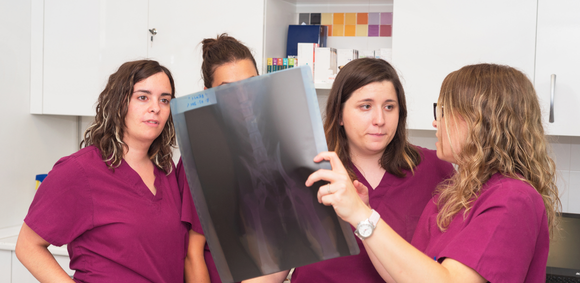
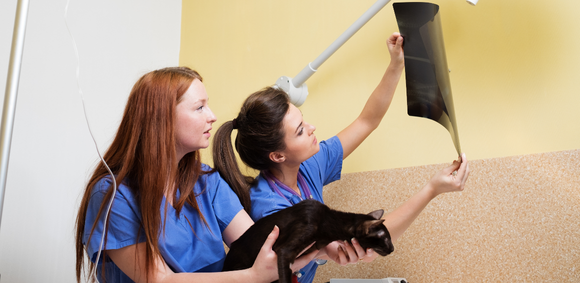
Two vet nurses hold up an xray film to the light and discuss findings

What Makes a Great Clinical Supervisor or Assessor?

As experienced professionals, many of you will take on the role of supporting student veterinary nurses in practice. Effective clinical supervisors are central to the development of competent, confident future professionals. 

Key characteristics of a great clinical supervisor include: 

1. Strong Clinical Knowledge 

  • Demonstrates up-to-date, evidence-based practice 
  • Explains and understands procedures clearly and safely 

2. Effective Communication 

  • Provides clear instructions and constructive feedback 
  • Adapts communication to suit individual learning needs 

3. Supportive and Approachable 

  • Creates a safe environment where learners feel comfortable asking questions 
  • Encourages confidence and independence over time 
  • Regularly meets with students to provide 1:1 support and guidance 

4. Commitment to Inclusion 

  • Recognises and accommodates different learning styles and needs 
  • Supports neurodiverse learners and promotes equity 
  • Assists learners in navigating Practice life and to overcome challenges 

5. Reflective Practice 

  • Models’ professional reflection and continuous improvement 
  • Encourages students to think critically about their work 

6. Organisation and Accountability 

  • Supports students in meeting training requirements and competencies 
  • Maintains clear records and structured learning opportunities 

Staying Connected 

We value your ongoing relationship with us and encourage you to: 

  • Share your career successes and opportunities 
  • Engage with CPD events and alumni networks 
  • Support current learners through placements or mentorship 

All Clinical Supervisors/Assessors supporting CAW student VNs (both diploma and placement degree learners) have access to comprehensive initial training, along with a range of standardisation topics.  

These opportunities are designed to enhance your knowledge and understanding, while also contributing towards your continuing professional development (CPD). 

If you are interested in becoming a clinical supervisor or would like further guidance on CPD pathways, please do not hesitate to get in touch via Tel: 01480 422060, Email: admin@caw.ac.uk or request a call back. 

A group of nurses stand together looking at an xray film

From Newly Qualified to Confident Leader: Why Coaching and Mentoring Skills Matter for Veterinary Nurses

Stepping into practice as a newly qualified veterinary nurse is an exciting milestone. After years of study, placements, and assessments, you are finally part of the clinical team, contributing directly to patient care and client experience. However, many newly qualified nurses quickly discover that qualification is just the beginning of a new learning curve. 

In today’s busy veterinary practices, responsibility can arrive sooner than expected. From supporting student nurses to guiding animal care assistants, coordinating workflows, and even influencing team culture, you may find yourself in informal leadership roles early in your career. This is where coaching and mentoring skills become invaluable. 

The Reality of Rapid Responsibility 

Modern veterinary practices are collaborative, fast-paced environments. Newly registered veterinary nurses (RVNs) are often expected to: 

  • Support and train student nurses 
  • Guide less experienced team members 
  • Communicate effectively with colleagues and clients 
  • Contribute to practice efficiency and patient outcomes 
  • Manage competing priorities under pressure 

While clinical skills are essential, these responsibilities require something more: the ability to lead, communicate, and develop others. 

What Are Coaching and Mentoring Skills? 

Coaching focuses on helping others improve performance through structured conversations, feedback, and goal setting. 

 Mentoring tends to be broader, involving guidance, support, and sharing of experience over time. 

Together, these skills allow you to: 

  • Build confidence in colleagues 
  • Support learning and development 
  • Encourage problem-solving and critical thinking 
  • Create a more positive and supportive work environment 

Why These Skills Matter Early in Your Career 

Many newly qualified nurses assume leadership training is something to consider later in their careers. In reality, developing these skills early offers significant advantages. 

1. You’re Already Influencing Others 

You don’t need a formal title to be a leader. Every time you support a student or help a colleague, you are influencing their development. Coaching skills help you do this effectively and confidently. 

2. Better Communication Reduces Stress 

Miscommunication can lead to errors, frustration, and inefficiency. Coaching and mentoring courses strengthen: 

  • Active listening 
  • Constructive feedback 
  • Clear, professional communication 

This leads to smoother teamwork and improved patient care. 

3. You Build Confidence in Yourself 

Transitioning from student to qualified nurse can feel overwhelming. Learning how to guide others often strengthens your own clinical confidence and decision-making. 

4. You Support the Next Generation 

The veterinary profession relies on experienced staff to develop future nurses. By gaining mentoring skills early, you contribute to a culture of learning and support within your practice. 

5. Career Progression Starts Sooner Than You Think 

Whether you aspire to become a senior nurse, head nurse, clinical coach, or educator, leadership capability is essential. Investing in coaching and mentoring skills now helps you stand out and prepares you for future opportunities. 

What You Can Expect from a Coaching and Mentoring Course 

A well-designed course will provide practical, usable skills, including: 

  • Techniques for giving effective feedback 
  • Structuring coaching conversations 
  • Supporting struggling learners 
  • Encouraging reflective practice 
  • Managing difficult conversations 
  • Understanding different learning styles 

Importantly, these courses are not just theory-based; they focus on real-life scenarios you’ll encounter in practice. 

Bringing It Back to Patient Care 

Strong coaching and mentoring don’t just benefit individuals; they improve the whole practice. A well-supported, confident team is more likely to: 

  • Deliver consistent, high-quality patient care 
  • Communicate effectively under pressure 
  • Work collaboratively 
  • Maintain positive client relationships 

In short, better leadership leads to better outcomes for patients, clients, and teams alike. 

A Smart Investment in Your Future 

As a newly qualified veterinary nurse, you are at the start of a dynamic and rewarding career. While your clinical skills form the foundation, your ability to work with and develop others will shape your long-term success. 

Coaching and mentoring courses offer a powerful way to: 

  • Enhance your day-to-day effectiveness 
  • Build professional confidence 
  • Prepare for future leadership roles 

Rather than waiting until you feel “ready,” consider developing these skills now, because chances are, you’re already leading more than you realise. 

Take the next step: explore coaching and mentoring training opportunities designed for veterinary professionals, and invest in becoming not just a skilled nurse, but a confident and capable leader. 
Banner image of two happy head nurses with the text: Reflecting on Head Nurse Congress 2026

Reflecting on the 2026 Head Nurse Congress: A Day of Insight, Energy and Engagement

Following our recent virtual one-day Head Nurse Congress, we caught up with this year’s Chair, Kirsty Jones, to hear her highlights and reflections from the day. 

Connection, Learning, and Leadership 

As Chair of this year’s Head Nurse Congress, I felt incredibly privileged to bring together veterinary professionals from across the UK for what proved to be a truly engaging and inspiring day of learning, reflection and connection. Delivered virtually, the congress once again demonstrated how accessible and inclusive this format can be, enabling us to reach a wide and diverse audience and create meaningful professional dialogue. 

One of the most striking aspects of the day was the level of engagement from delegates. From the outset, I encouraged participants to take part through live Q&A sessions, interactive polls and discussion, and they certainly embraced this opportunity. The volume of questions submitted throughout the congress was particularly impressive, reflecting both the relevance of the topics and a genuine enthusiasm to explore ideas more deeply and share experiences from practice. 

Exploring the Realities of Modern Veterinary Leadership 

The programme covered a breadth of themes that are central to modern veterinary leadership. From building a clear and empowering vision for practice, to managing workplace challenges such as menopause, and exploring wider strategy and team development, each session resonated strongly with our audience. It was clear that many attendees are navigating increasingly complex leadership roles, and the discussions throughout the day reflected this reality. 

For me, one of the most impactful elements was the focus on communication and wellbeing. Sessions exploring conflict resolution and imposter syndrome sparked thoughtful reflection, with many delegates engaging openly with these topics. Hosting the congress during Mental Health Awareness Week added even greater relevance, reinforcing the importance of supporting both individual wellbeing and that of our teams within the profession. 

We were also fortunate to have such a high calibre of speakers, each bringing a wealth of expertise from clinical practice, education and research. Their ability to balance evidence-informed insight with practical application ensured that delegates not only felt inspired but left with strategies they could take back into their own workplaces. 

The Value of Continued Conversation 

The interactive structure of the day was a key factor in its success. I particularly valued the dedicated Q&A sessions following each presentation, which allowed meaningful discussion and deeper exploration of key themes. Even where time limited what could be answered live, it was encouraging to see speakers continuing conversations with delegates beyond their sessions, ensuring that learning did not stop when the presentations ended. 

There was an incredibly strong sense of community throughout the day. It was particularly encouraging to see delegates so actively connecting with speakers, exhibitors and one another, creating a genuinely supportive and collaborative atmosphere. The level of interaction highlighted just how effective virtual spaces can be in bringing professionals together, reinforcing the value of these opportunities for meaningful networking and shared learning. 

Overall, I believe the 2026 Head Nurse Congress had a very positive impact. The energy, openness, and depth of discussion demonstrated a profession that is committed to growth, reflection, and leadership. As Chair, I am proud to have been part of an event that not only supported professional development but also fostered a sense of shared purpose and community. 

Looking ahead: The Importance of Events Like This 

Looking ahead, I feel events like this are more important than ever. They provide a vital space for learning, discussion and connection, ultimately strengthening our profession and benefiting both our teams and the patients we care for. 

Our thanks go to Kirsty for her contribution and for sharing her reflections on what was a successful event. You can find details of our upcoming events in our events section. 

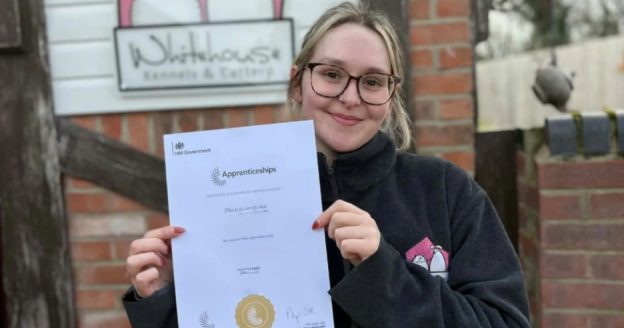
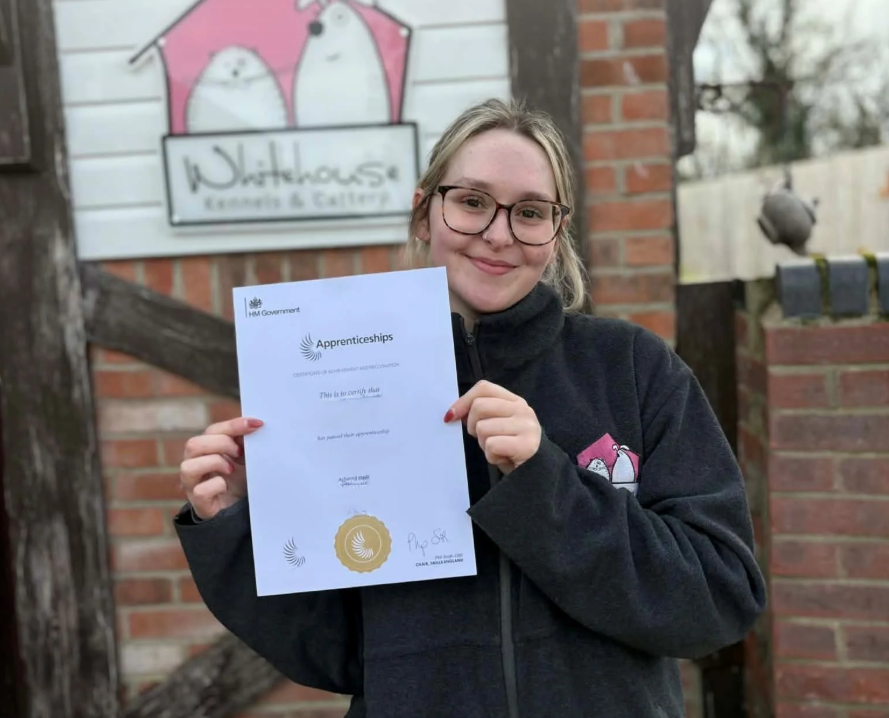
Level 3 Animal Care Apprentice with her certificate achieving a distinction grade

Animal Care and Welfare Manager Apprentices Achieve Distinction Success

We are very excited to announce that all three of our very first Level 3 Animal Care and Welfare Manager apprentices, Marnie, Soline and Rae, have achieved Distinction grades following their End Point Assessment (EPA) with VetSkill.

Throughout their apprenticeship, all three students demonstrated a high level of commitment, professionalism and capability, which was clearly reflected in the quality of their work and final outcomes.

Lesley Wilson, Head of Animal Care, commented on their achievement: “I am really impressed with all the hard work the apprentices have put in throughout their course to ensure they fully cover the Knowledge, Skills and Behaviours (KSBs) by producing outstanding showcase portfolios. Their written work is a reflection of the achievements they have had at work making a difference to the businesses they are in, a point fully shared by their employers.

The support given by the VetSkill assessor helped put the apprentices at ease prior to the intense EPA comprising an observation and professional discussion – it helped them demonstrate their knowledge and ability and they all deserve the Distinction grades awarded”.

Reflecting on their journey, apprentice Marnie Goodman (pictured above) highlighted the personal confidence gained and the clarity of the assessment process:

“I enjoyed learning new skills that came with being a manager of a small team. I gained confidence that helped me complete my assessment to a high standard and knowledge that I will carry with me throughout the rest of my career. I thought the assessment process was well organised; I had meetings beforehand where I could ask questions and understand how the day would go. I also had the opportunity to meet my assessor before my assessment. Overall, it all made me feel more confident”.

Apprentice Soline Smith (pictured above) spoke about how the apprenticeship supported their development, particularly when navigating challenging situations:

“Despite the initial challenges, my apprenticeship helped me grow stronger, more confident, and better equipped to manage difficult conversations and be able to adapt to different situations. Although I was nervous during my EPA, I felt confident enough to ask for clarification when I didn’t understand a question, and my assessor’s support put me at ease, helping me to give clearer answers.”

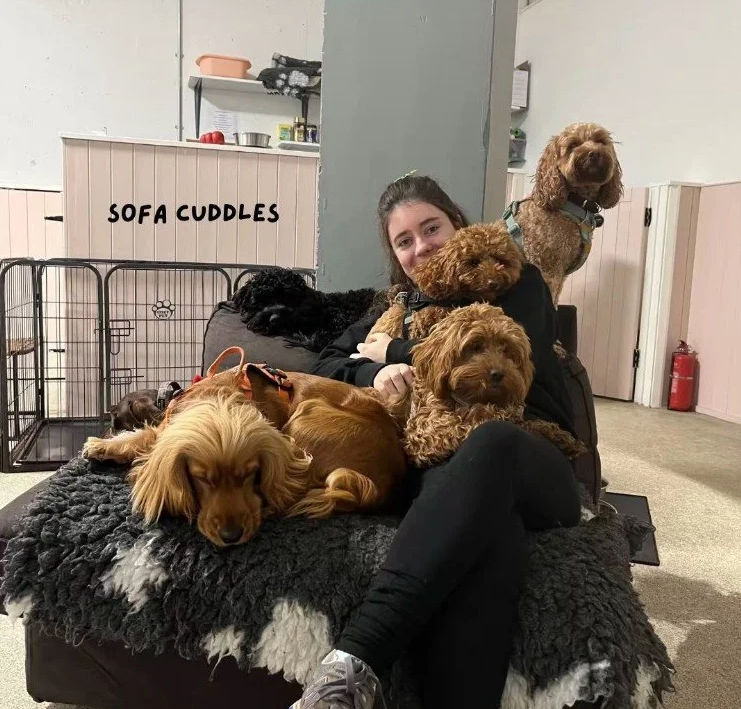
For apprentice Rae Green (pictured below), the programme offered both practical support and reassurance, particularly when balancing study requirements alongside full‑time work:

“When I first discussed signing up to the apprenticeship with CAW, I was apprehensive as I knew I needed to complete maths alongside the course. I have avoided applying for courses in the past dreading that people would judge me due to my problems with maths.

The tutors who helped me achieve my course had regular online meetings with me, setting me tasks that worked alongside my day-to-day tasks. This made the assignments relevant and helped me have a better understanding of my role within the workplace. These meetings were always supportive and helped me plan out my work.

Having allocated OTJ hours for assignment time really helped, as there was no additional pressure when already working full time. Both maths and animal-related tasks were explained in a way that made them relevant to my work, which helped me to understand them.

I could not have achieved the Level 3 qualification if it had not been for the staff at CAW. Their understanding, patience and encouragement helped me to gain confidence.”

The College of Animal Welfare offers animal care apprenticeships at levels 2 and 3 across England via online distance learning. Interested? Request a call back here and we will be in touch.

Green ribbon loop on a grey marble background, black text reads "RCVS releases new suicide prevention resources"

RCVS releases new suicide prevention resources to help practices meet new mandatory requirements

The Royal College of Veterinary Surgeons (RCVS) Mind Matters Initiative (MMI) and Practice Standards Scheme (PSS) have come together to produce set of resources to help veterinary practices meet the new mandatory requirement for workplace-based suicide prevention plans. 

What are the mandatory requirements? 

Since 1 April 2026, the Core Standards of the Practice Standards Scheme has required all accredited practices to implement a practice-specific suicide prevention plan, assessing potential risks within the practice setting, and putting in place measures to address and mitigate each identified risk. The requirement for practices to have suicide prevention plans are included in the Core Standards of the PSS for all three practice types – small animal, equine and farm animal.  

Practices that are not within the PSS will also need to meet the requirement – as in Section 4.3 of the Code of Professional Conduct which states that: “Veterinary surgeons must maintain minimum practice standards equivalent to the Core Standards of the RCVS Practice Standards Scheme.” 

New support from RCVS Mind Matters 

Working with external suicide prevention experts, MMI and PSS have produced three initial resources that are aligned with the new British standard on suicide prevention in the workplace (BS30480), to help practices meet the new requirements 

These include: 

  • A suicide prevention guide for all practice staff – provides guidance on what to do in a crisis and is designed for practices to tailor their own work-specific information. 
  • A suicide prevention plan checklist – outlining what an effective plan should include 
  • A comprehensive practical step by step suicide prevention toolkit for veterinary workplaces – supporting practices to develop, implement and review their plans 

Additional resources, including a recorded webinar, will be released in due course. 

Rapinder Newton, Mind Matters Initiative Lead, said: “As a compassionate regulator, we are keen to support practices as they work towards putting together their suicide prevention plans. These resources are comprehensive and will help veterinary practices not only create plans, but also implement and communicate them with staff, and regularly review them to ensure they’re fit for purpose as well as adapt them if needed. 

“While these resources are intended to help practices meet the new requirement, we hope that there will be wider benefits such as helping shift the stigma that still exists around suicide, greater mental health awareness, more support for staff wellbeing, and improved signposting to sources of support for those who need it.” 

Alice Duvernois MRCVS, Lead Assessor for the PSS, added: “We are grateful for all involved for producing these resources and we hope that, along with other requirements around staff wellbeing, putting in place these proactive measures may help prevent future deaths by suicide.” 

Where can I find additional resources? 

All the resources can be found on the RCVS dedicated “Suicide prevention in the workplace” webpage. 

‘Suicide awareness fundamentals’ course is also available via the RCVS Academy, a free, online learning platform. The course supplements the resources by looking at the contributing factors behind suicide in the profession, how to talk about it, reduce stigma, and support those in crisis. The course was developed in collaboration with a veterinary mental health expert and aims to build confidence in responding to suicide-related situations safely and with sensitivity. 

People sat round a table talking

Mental Health Awareness Week 2026: 11-17 May

Mental Health Awareness Week (MHAW) 2026 is a valuable opportunity for us all to pause, reflect, and prioritise our wellbeing. This year’s theme, “Action”, encourages us to move beyond awareness and take meaningful steps to support both our own mental health and that of others.

Whether you are studying in-centre or through distance learning, this week is about creating space for connection, conversation, and support – while empowering everyone to take action in ways that work for them.

Turning Awareness into Action
Taking action for your mental health doesn’t have to mean making big changes. It can be as simple as:

  • Checking in with a friend or classmate
  • Taking regular breaks during study
  • Joining a wellbeing activity
  • Making little changes to your diet or exercise routines
  • Getting more sleep
  • Reaching out for support when you need it

By taking these small but meaningful steps, we can build healthier habits that lead to longer term stability.

Supporting Our Students
We understand that balancing study, work, and personal life can sometimes feel overwhelming. That’s why we are committed to providing ongoing mental health support for all students – not just during this awareness week, but throughout the year.

Students at The College of Animal Welfare have access to:

  • A free and confidential counselling service, offering professional support when you need someone to talk to
  • Free access to Togetherall, an online mental health support platform available 24/7, where you can connect with others, share experiences anonymously, and access helpful resources

Taking action can start with simply reaching out – these services are here for you whenever you need them.

What’s Happening This MHAW?
To mark this week, we are hosting a range of activities designed to encourage connection and wellbeing.

In-Centre Activities (Lunchtime Sessions)
For students attending college in person, we will be running informal, drop-in activities during lunchtime throughout the week. These sessions are relaxed and welcoming, offering a chance to take a break and focus on your wellbeing.

Online “Tea and Talk” Session
For our distance learning students, we are hosting an online “Tea and Talk” session – a friendly, informal space to connect with others.

Bring your favourite drink and join us to:

  • Chat with fellow students
  • Share tips for managing study and life balance
  • Take part in gentle wellbeing discussions

There’s no pressure to speak, just being there is a positive step.

Why It Matters
Mental health affects how we think, feel, and act. Taking action – no matter how small – can improve focus, resilience, and overall wellbeing.

By getting involved in Mental Health Awareness Week, you are helping to create a culture where mental health is openly discussed, supported, and prioritised.

Remember: you are not alone, support is always available, and your mental health matters.

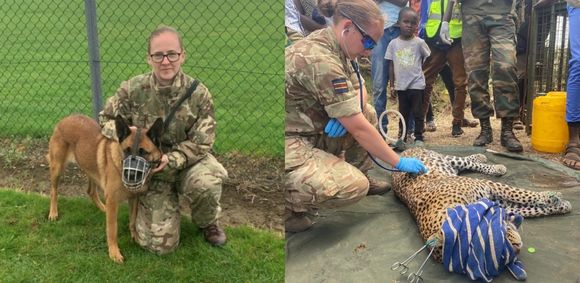
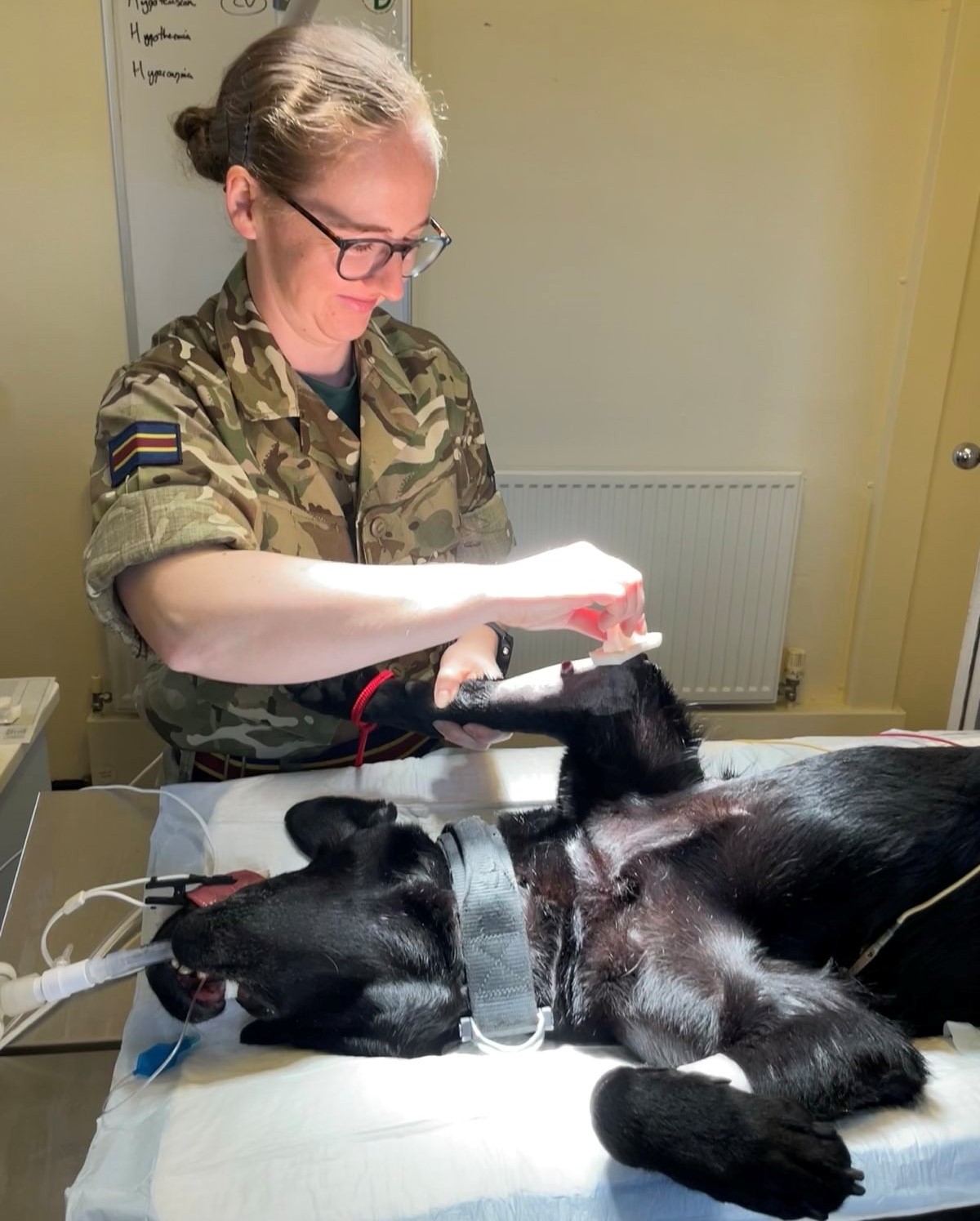
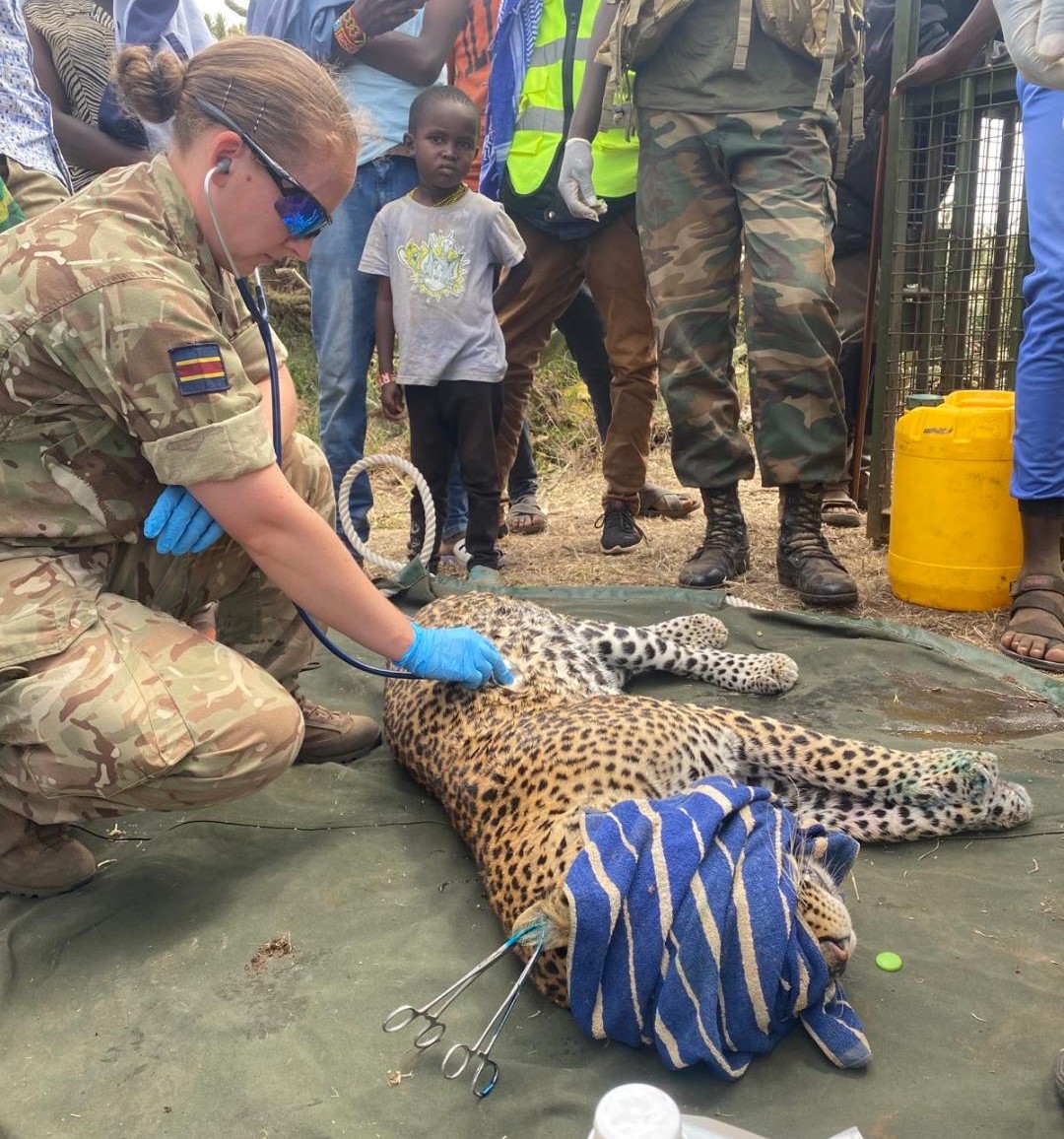
SSgt Leah with a military working dog and a second image when assisting with a leopard's operation

Corporal Jemima Riley: Life as a Veterinary Nurse in the British Army

Exploring the wide range of roles available to Registered Veterinary Nurses (RVNs) can open doors to exciting and unexpected career paths. While many nurses remain in clinical practice, others discover opportunities that take their skills far beyond the traditional veterinary setting.

Read on as, Corporal Jemima Riley, Hospital Manager, Veterinary Training Squadron, Defence Animal Training Regiment, shares a first-hand account as an RVN who has built a rewarding and diverse career within the British Army, a role that showcases just how varied and fulfilling life as a veterinary professional can be.

“Back in 2018, when I qualified as an RVN, I wasn’t sure where I envisioned my nursing career going.”

If you’d asked me then where I thought I’d be in five-to-ten years, I might have said I’d still be at the first opinion practice where I did my training during my diploma, or maybe, I would have moved on to work at a referral centre. In July of 2020, I stepped through the doors at the Army Training Centre in Pirbright and began my military journey.

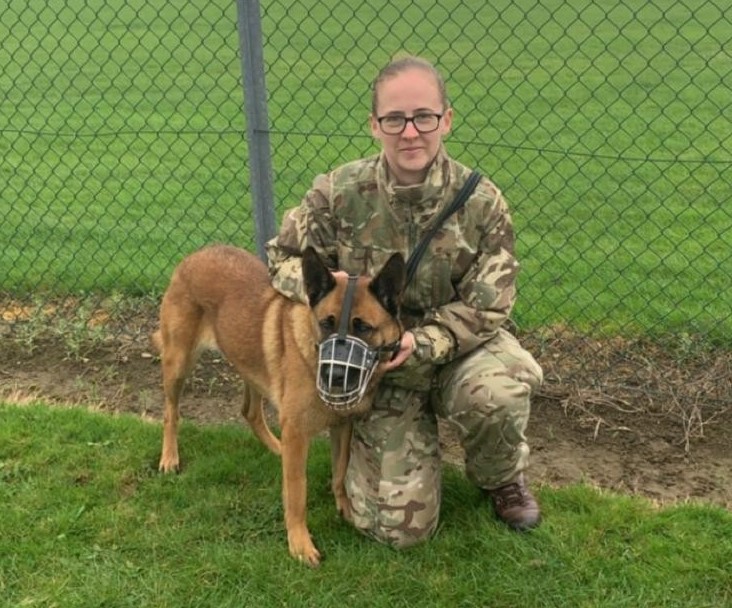
Over the next five months, I completed Phase One (where I learnt to be a soldier) and Phase Two (where I learnt to handle a Military Working Dog (MWD) and completed an induction into how veterinary care works in the military. From there, I was posted to 1st Military Working Dog Regiment (1MWD Regt) and spent four years there looking after MWDs, before moving across to the Defence Animal Training Regiment (DATR) last year, where I cover both MWDs and Military Working Horses (MWH).

Corporal Jemima Riley while on Phase Two

Working out of the veterinary clinic, the day-to-day job involves keeping the MWDs and MWHs up to date with all their preventative veterinary care and dealing with any illness or injuries that arise. The job is to make sure all the military working animals (MWAs) are fit for their role, whether this be an MWH returning to London for the ceremonial season, or a MWD deploying on exercise for months at a time. Sometimes it’s a quick fix, sometimes they need referring to specialists and other times, if they can’t return to work, we rehome them to a cosy sofa or field.

Posting with 1st Military Working Dog Regiment

Around the clinical work, we’re expected to keep our fitness up with regular physical training sessions. We also have annual requirements to maintain our physical skills (e.g. first aid and navigation) and knowledge (e.g. Heat illness and fire safety).

While I’ve been in the army, I’ve been lucky enough to visit The Netherlands, Greece, Cyprus, and Kenya.”

My visits to Holland were to help with veterinary assessments during MWD procurement, while my trip to Greece was for a battlefield study, learning about the impact of the Battle of Crete during the Second World War. As the military has dogs posted out in Cyprus, we have a Veterinary Officer and Veterinary Nurse based out there and I’ve provided cover on multiple occasions (and hope to post out there in the future). The month I spent in Kenya was to provide veterinary cover for the MWDs on exercise out there, alongside some community engagement work with local vets and the Kenyan Wildlife Services. That trip was particularly memorable, as I was able to get up close with unusual patients such as a bongo (type of antelope), a leopard, and a rhino.

Up close with a leopard

As part of annual Adventure Training entitlement some of my colleagues have been away on trips sailing, skiing, and mountain biking. Others actively take part training and competing in various sports, such as rugby, cross country, and horse riding. Opportunities to get involved in sports and adventure training come up frequently – both in the UK and abroad. A fellow vet nurse managed to secure a place on a hockey tour in South Africa and had a great time!

In terms of career development, we get a CPD budget and can also apply for funding for additional courses on top of that. Whilst I’ve been in the army, I’ve completed my SQP (both companion and equine modules), completed a radiation protection supervisor course, completed a certificate in Emergency and Critical Care, attended BVNA Congress and BVA live, and gone on a Schedule Three Surgery course. We also hold our own in-house vet nurse study period every-other-year, alongside lunch and learns, meaning it’s easy to get our CPD hours achieved each year.

Looking forward, I’ll be at the DATR for a couple more years, after which I’ll either return to 1MWD Regt, move down to London or, if I’m lucky, get posted out to Cyprus.

The Army does give you some say in where you’d prefer to go, though sometimes it’s a case of you go where the need is, with some jobs being higher priority than others, while others are rank dependent. Continuing to promote will mean the job role changing from more clinically based to managerial, which will help if I want to look at applying for head nurse or practice manager positions in the future, once my military career is over.

While this is not the career I had envisioned for myself when I qualified, it is one I’ve enjoyed for nearly six years. I’ll admit I miss working with cats and I’m still learning my way around a horse (I had no equine background, in or outside of the veterinary environment, before joining) but we do really get to know the MWDs and MWHs we treat, as we focus on a relatively small pool of animals compared to a regular veterinary practice. 

Working in the army has given me multiple opportunities that I would not have had working in a civilian practice.”

 With thanks to Jemima for sharing her inspiring journey highlighting how a veterinary nursing qualification can lead to a truly unique and varied career. Whether providing clinical care to Military Working Animals, travelling the world, or developing professionally through a wide range of training opportunities, the role demonstrates just how far an RVN skillset can go.

For anyone considering their next steps or looking for a fresh challenge within the profession, the British Army offers an example of how stepping outside the traditional practice environment can lead to remarkable experiences and long-term career growth.

A wooden bowl of healthy salad

Stress Awareness Month: #BeTheChange – Small Steps, Big Impact

April marks Stress Awareness Month, a time to reflect on how stress affects our lives and what we can do to manage it. This year’s theme, #BeTheChange, is all about recognising the power of small, positive actions – steps that not only improve your own mental health but also support the wellbeing of those around you.

As a college community, we know student life can be incredibly rewarding, but also demanding. Deadlines, exams, social pressures, finances, and future planning can all build up. The good news? You don’t need a complete life overhaul to feel better. Small, consistent changes can make a real difference.

Here are 10 simple ways you can #BeTheChange this Stress Awareness Month:

1. Start Your Day with Intention
Instead of immediately checking your phone, take a few minutes to set a positive tone for the day. Whether it’s stretching, journaling, or simply enjoying a quiet moment, a calm start can shape your mindset.

2. Take Regular Breaks
Studying for long hours without rest can increase stress and reduce productivity. Try the “50/10 rule”: 50 minutes of focused work followed by a 10-minute break.

3. Move Your Body
You don’t need an intense workout – just a walk around the block, a quick stretch, or a short workout can release stress and boost your mood.

4. Talk About It
If you’re feeling overwhelmed, speak to someone you trust – a friend, tutor, or support service. Opening up can lighten the load more than you might expect.

5. Limit Social Media Overload
Constant scrolling can increase anxiety and comparison. Set boundaries – like no social media during study time or before bed.

6. Practice Small Acts of Kindness
Checking in on a friend, sharing notes, or simply smiling at someone can make a difference – to them and to you. Kindness boosts connection and wellbeing.

7. Stay Organised (But Flexible)
Using a planner or to-do list can help you feel more in control. Break tasks into smaller steps- but remember, it’s okay if things don’t go perfectly.

8. Prioritise Sleep
Sleep is often the first thing students sacrifice – but it’s essential. Aim for a consistent sleep schedule and create a wind-down routine.

9. Fuel Your Body Properly
Regular meals and hydration can have a big impact on your energy and mood. Even small changes, like drinking more water, can help.

10. Know When to Ask for Help
You don’t have to manage everything alone. Colleges offer support services for a reason- using them is a sign of strength, not weakness.

#BeTheChange—Together
Stress is a normal part of life, but it shouldn’t take over. This month is a reminder that even small actions – taken consistently – can lead to meaningful change.

By looking after yourself and supporting those around you, you’re helping to create a healthier, more compassionate college community.

So this April, ask yourself:
What small step can I take today to #BeTheChange?

orange background with scam alert written on it

Stay Smart: Protect Yourself from Student Fraud

Fraud is on the rise across the UK, and students are increasingly being targeted. Whether you’re managing your money, looking for work, or securing accommodation, it’s important to stay alert to the risks.

Many scams are designed to look genuine. You might be offered an easy way to make money, find a great deal online, or secure a room quickly – but these situations are often used by criminals to steal money or personal information.

Some of the most common scams affecting students include money muling, where you’re asked to let money pass through your bank account, online shopping scams offering goods that never arrive, and accommodation fraud involving fake property listings. Employment scams are also common, with fake job offers used to collect personal details or upfront fees. More personal scams, such as romance fraud, can involve building trust before asking for money or making threats.

A key warning sign across all of these is pressure – being asked to act quickly, share details, or make a payment without time to think. If something feels too good to be true, it usually is.

The best way to protect yourself is to pause and question unexpected requests, keep your bank details secure, and check that offers and organisations are genuine. Talking to someone you trust can also help you avoid making a quick decision you might regret.

If you think you’ve been targeted by a scam, contact your bank immediately and report it.

For more detailed advice and guidance, take a look at this Student Guide to Fraud from the North West Regional Organised Crime Unit.

A banner image with a ginger cat and a golden retriever either side of the event date and time

New for 2026: Join us for Senior Pets Congress – Wednesday 3 June 2026!

We’re thrilled to introduce a brand‑new addition to our 2026 congress calendar — the Senior Pets Congress, taking place on Wednesday 3 June 2026 as a one‑day virtual event offering 7 hours of evidenced CPD

Kindly sponsored by Canine Arthritis Management (CAM), this event has been created especially for veterinary professionals who want to build their confidence and skills when caring for senior pets.

Designed with veterinary nurses, student VNs, and anyone involved in senior patient care in mind, the event is packed with talks, advice, and practical takeaways to help you feel even more confident supporting older animals and their owners.

Across the day, you’ll hear from experienced speakers on a variety of senior‑care topics, including:

  • Nursing the congestive heart failure patient
  • Anaesthesia in context. Supporting senior pets through the anaesthetic journey
  • Supporting senior pets, their families and yourself through euthanasia
  • A holistic approach to osteoarthritis care in canines
  • Senior nutrition matters: Enhancing health and quality of life in aging pets

Reasons to attend:

  • Live Q&A sessions where you can put your questions directly to the speakers
  • Practical tips you can start using right away in practice
  • Virtual exhibitors offering product insights and knowledge
  • Earn 7 hours of evidenced CPD – RVNs need to record at least 15 hours a year
  • Access to all lecture recordings right up until the next event — perfect if you want to revisit the content later.

Book your place by 10 April 2026 to attend Senior Pets Congress for the discounted Early Bird price of just £125+VAT –saving you £60!

Discounts are also available for those working within a CAW Training Practice or supporting one of our students, CAW students, and CAW alumni. Please contact us for a discount code to apply at checkout.

Book your place now

We can’t wait to welcome you to this exciting new addition to our congress line‑up!