Author Archives: Admin User

Award Winner Trophies

Celebrating Success at our Annual Student Awards Ceremony

This year’s annual Student Awards Ceremony took place on Saturday 8 November 2025. The ceremony is always a wonderful occasion to come together and celebrate the incredible achievements of our students, their mentors, and our staff, and this year’s event was no exception! The event was filled with pride, laughter, and inspiration as we reflected on another successful year of learning, growth, and community spirit.

Students were recognised for their outstanding achievements, dedication and contributions to college life. Each award was a reminder of the hard work and determination they have displayed. Family, friends, and college staff joined in applauding the success stories that have defined this year.

New for this year was a special student-nominated staff award – the ‘Inclusive Practice Award’ which gave students the chance to recognise a member of staff who has truly gone above and beyond. Congratulations to this year’s winner – Andrew Tunley.

Also part of the ceremony was the presentation of the 2025 Laura Turnbull bursary – this year presented to Georgeanna Stephenson.

The day was not only about awards, but also about celebrating the sense of community and teamwork that underpins everything we do. It was a reminder that success takes many forms — from academic excellence to acts of kindness, leadership, and perseverance.

We’d like to extend our congratulations to all our award winners, and our thanks to everyone who helped make the event such a memorable celebration.

A list of all the award winners can be found here.

We wish all our students the very best of luck for the future — whether you’re moving on to new studies, training, or into employment.

Stress Awareness Week Banner

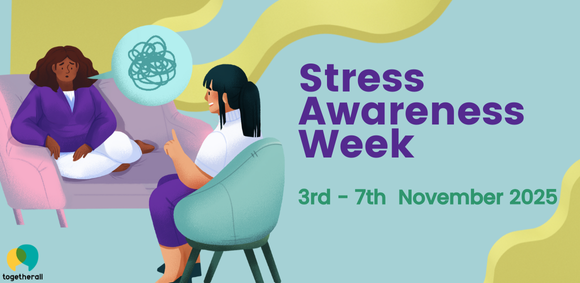
Stress Awareness Week 2025: 3-7 November

International Stress Awareness Week is an annual event held from the 3rd – 7th November 2025, dedicated to raising awareness about stress, its impact, and how to manage it effectively. In today’s fast-paced world, stress can feel unavoidable—draining our energy, affecting our health, and taking a toll on our overall well-being. With 79% of adults in the UK experiencing stress at least once a month, it’s clear that stress is a common part of life, however it doesn’t have to be a constant companion. Join us this week as we explore what stress is and ways that you can manage it!

Understanding Stress
Stress is your body’s natural reaction to challenging or intimidating situations. It triggers the body’s “fight or flight” response, releasing hormones like adrenaline and cortisol to help us react quickly to situations that require focus and energy. Stress can be caused by a variety of things for example work pressures, relationship challenges, health issues, financial difficulties, or major life changes.

It’s important to also note that not all stress is harmful. In fact, manageable levels of stress can boost motivation and improve performance, helping individuals focus and reach their goals. However, when stress becomes excessive and persistent, it can start to take a toll on both your mental and physical well-being.

How stress can affect the body
Stress doesn’t just affect you mentally it can also affect you physically. Here are some of the symptoms that can occur alongside stress:

  • Sweating
  • Headaches
  • Sudden weight gain or weight loss
  • Fatigue
  • Feeling sick, dizzy, or fainting
  • Heart palpitations
  • Indigestion or heartburn
  • Body soreness
  • High blood pressure
  • Chest pains

Tips for managing stress.

  • Stay active – physical exercise releases endorphins, which can help reduce stress. Even a short walk can make a positive impact!
  • Improve time management – poor time management can lead to you feeling overwhelmed and stressed. Using tools like planners, apps and to-do lists can help you stay organized and in control.
  • Taking breaks – Regular breaks can help you recharge, reset, and prevent burnout.
  • Get a good night’s sleep – sleep is vital for stress management, self-regulation, and your overall wellbeing.
  • Practice Mindfulness and meditation – apps such as headspace and calm have guided breathing exercises and meditations, which aim to promote relaxation, improve sleep, and reduce stress.
  • Social support – connecting with friends or family can provide emotional support and help you talk out your stress and figure out the root problem.
  • Hobbies and interests – engaging in activities you enjoy can be a great way to unwind, refocus and relieve stress.
  • Limit caffeine and alcohol – excessive amounts of caffeine and alcohol can increase stress levels.

In conclusion, while stress is an unavoidable part of life, it doesn’t have to take control. By raising awareness and actively practicing stress reduction strategies, we can improve our overall well-being and better manage the challenges life throws at us!

Support and resources for CAW students
As a student of The College of Animal Welfare, you get FREE access to a wide variety of resources and support via the togetherall app; there is a great short online course on how to better manage you emotions. Togetherall also has forums so you can discuss any worries with others, and access to trained counsellors 24/7. If you haven’t set up an account, you can do so FREE of charge with your CAW email address.

If you are struggling with your mental health or any aspect of college life, remember you can access up to six confidential counselling sessions free of charge: full details can be found here.

A black and white puppy wearing a Dogs Trust collar and tag looks is held in the arms of a Dogs Trust volunteer

Give a Dog a Helping Paw: Volunteer with Dogs Trust

At Dogs Trust, volunteering is more than just lending a hand — it’s your chance to change the lives of rescue dogs across the UK.

Whether you’re walking waggy tails at one of our rehoming centres, helping out in a charity shop, or supporting our work from the comfort of your own home, there’s a place for you on our team.

Last year alone, thanks to our amazing staff and volunteers, we:

  • Cared for 12,546 dogs across our 22 rehoming centres
  • Found loving homes for 9,707 dogs
  • Responded to 51,804 handover enquiries
  • Supported 258 families and their dogs fleeing domestic violence

There’s a Role for Everyone

We have a wide range of volunteer opportunities to match different interests and skills, including:

Taking dogs for walks and creating fun, enriching experiences in our kennels
Helps keep our dogs physically active, mentally stimulated, and emotionally happy while they wait for their forever homes.

Working with our media team to help promote dogs on their rehoming journey
Gives dogs the visibility they need to find loving homes by showcasing their unique personalities to potential adopters.

Gardening and keeping our rehoming centre grounds looking great
Creates a calm, welcoming environment for visitors, staff, and—most importantly—for the dogs in our care.

Welcoming visitors and supporting our team at reception
Provides a friendly first impression and helps guide people through the adoption journey, events, or general centre visits.

Assisting with events and community activities
Raises awareness of our work, builds local support, and helps us reach more people (and potential dog-lovers!).

Providing admin support to help match dogs with their perfect homes
Keeps things running smoothly behind the scenes—making sure each dog finds the right home, quicker.

Volunteering in our charity shops or donation warehouses
Raises essential funds that directly support the dogs in our care and helps spread the word about our mission.

Supporting our incredible network of foster carers
Ensures our foster carers have the help they need to provide safe, loving temporary homes for dogs who need a break from kennel life.

Becoming a foster carer yourself and giving a dog a temporary loving home
Offers a vital lifeline to dogs recovering from medical treatment, puppies too young for kennels, or those who simply need a quieter space.

And plenty more!
No matter what role you choose, your support helps us move closer to a day where every dog can enjoy a happy life, free from the threat of unnecessary destruction.

No experience? No problem. We’ll provide all the training and support you need to feel confident in your role.

Why Volunteer With Us?

  • You’ll learn new skills – from animal care to teamwork and communication
  • You’ll meet like-minded people who share your love for dogs
  • You’ll be part of a supportive, passionate community
  • Most importantly, you’ll be making a real difference to the lives of rescue dogs who need it most

Volunteering is one of the most rewarding ways you can support our mission — helping dogs get back on their paws and into loving homes.

So why not join us? Give your time, grow your skills, and help make the world a little kinder for dogs in need.

All of our vacancies are to be found here Volunteer Vacancies | Dogs Trust or you can email us at volunteering@dogstrust.org.uk

People sat round a table talking

New Accredited Course Now Available: City & Guilds Level 2 Award in Supporting Wellbeing and Mental Health of Self and Others

We’re excited to announce the launch of our new City & Guilds Level 2 Award in Supporting Wellbeing and Mental Health of Self and Others — a nationally recognised qualification that offers 8 hours of Continuing Professional Development (CPD) and can help you better understand mental health, support your own wellbeing, and make a positive difference to those around you.

In a world where more and more people are recognising the importance of wellbeing, this qualification offers practical tools and insights that can be used in everyday life, education, and the workplace. You’ll explore what influences mental health, how to recognise when someone might be struggling, and ways to communicate, listen, and provide effective support. You’ll also reflect on your own wellbeing, learning strategies to manage stress, stay resilient, and maintain balance.

The course is flexible and accessible, making it ideal for anyone looking to build awareness and confidence around mental health – whether you’re supporting friends, colleagues, or students, or simply want to look after your own wellbeing.

Delivered fully online, the course takes around eight hours to complete and can be started at any time. You’ll have up to a month to work through the materials at your own pace. Once you’ve finished, you’ll complete a short multiple-choice assessment, either in college or remotely.

The total cost is £25 for the course plus a £25 registration fee (currently free until 31 December 2025). There’s also a remote exam option available for an additional £34.

This qualification isn’t just about theory — it’s about developing understanding, empathy, and real-world skills that can make a difference. Whether you work in a caring role, manage a team, or simply want to better support yourself and others, this is a great place to start.

👉 Find out more and apply now: City & Guilds Level 2 Award in Supporting Wellbeing and Mental Health of Self and Others

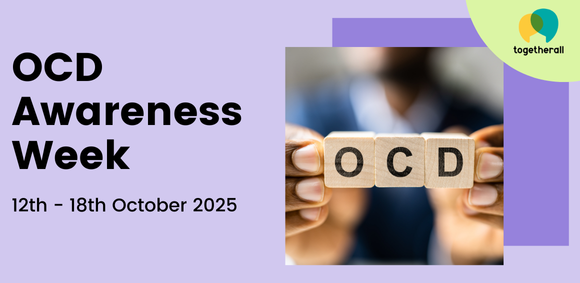
OCD Awareness Week: 13-19 October 2025

OCD awareness week is an annual event held in the second full week of October to educate people about obsessive-compulsive disorder (OCD), break stereotypes and encourage those affected to seek help. Let’s take this opportunity to learn more about OCD and challenge common misconceptions.

What is obsessive compulsive disorder?
OCD is often a misunderstood condition, that can sometimes be reduced to jokes about being neat or organised. But in reality, OCD is a far more challenging and complex condition. It is characterised by a pattern of unwanted and intrusive thoughts (obsessions) and repetitive behaviours (compulsions) performed in an attempt to alleviate anxiety caused by these thoughts.

Obsessions: These are persistent and unwanted thoughts, urges or images that cause significant anxiety or distress. Common obsessions include fears of contamination, harm to oneself or others, unwanted sexual thoughts or a need for symmetry and order.

Compulsions: These are repetitive behaviours such as cleaning, checking, counting, arranging items in a specific way, praying, rewriting, mental rituals.

OCD can significantly disrupt daily life, impacting work, school, relationships, and overall wellbeing. The constant struggle with intrusive thoughts and time-consuming compulsions can lead to isolation, depression, and a diminished quality of life.

Why OCD awareness matters

Raising awareness about OCD is essential for several reasons, including:

  • Breaking down stigma: Increasing the public understanding of OCD helps combat stereotypes that lead to stigma and isolation for those with this condition.
  • Empathy and support: Understanding OCD allows others to empathise with their loved ones and create an environment where there supported.
  • Highlighting effective treatments: OCD awareness week is an opportunity to highlight the different treatment options for OCD. Such as cognitive behavioural therapy (CBT), exposure and response prevention and medication. These treatments can significantly reduce symptoms and improve quality of life.
  • Raising awareness can help you detect OCD in others or yourself, leading to an earlier diagnosis and treatment options.
  • Advocating for resources: Awareness campaigns can help advocate for increased funding for research, treatment, and support.

How you can get involved

  • Learn more about OCD by reading through sites like the International OCD Foundation.
  • Support OCD organisations by donating, spreading awareness and volunteering with organisations that provide support and resources to people with OCD.
  • Spread awareness by sharing information on social media.
  • Start conversations about OCD with friends, family, and colleagues.

In conclusion, OCD awareness week is a vital opportunity to educate, support and advocate for those effected by obsessive compulsive disorder. Join us in spreading the word and making a positive impact during OCD awareness week.

Support and resources for CAW students
As a student of The College of Animal Welfare, you get FREE access to a wide variety of resources and support via the togetherall app; there is a great short online course on how to manage OCD. Togetherall also has forums so you can discuss any worries with others, and access to trained counsellors 24/7. If you haven’t set up an account, you can do so FREE of charge with your CAW email address.

If you are struggling with your mental health or any aspect of college life, remember you can access up to six confidential counselling sessions free of charge: full details can be found here.

Joanne in her mobility scooter and her toy poodle puppy

Student Case Study: City & Guilds Dog Grooming – Joanne

Thank you to our former dog grooming student, Joanne Bolton, for talking to us about changing her career, and being so determined to qualify as a dog groomer despite her physical disabilities. We are so proud of you Joanne and all that you have achieved!


I did the level 2 and 3 dog grooming at Leeds and absolutely loved it! I learnt lots on the level 3 thanks to my tutors, Helen and Ellen, they were very attentive and explained things well!

I spent most of my adult life as a bus driver until in my 50s. Due to bad health I left driving and had to think of something else to do. I’m registered as disabled and suffer from arthritis in my feet, knees, hips and hands. 

I started the level 2 course as a hobby. I found the mobility side very difficult but persevered as I’d paid for the course, and I was really enjoying it! I discovered I could make adjustments and groom sitting down. 

It felt like a huge achievement completing level 2 and as a reward I bought myself a toy poodle puppy. So then I needed to learn to groom him properly! I bought myself a table and basic second-hand equipment from Facebook and set up a workspace in my garage. Soon friends were bringing me their dogs, then friends of friends. I began to think maybe I can actually do this. 

I’m not going to lie. I struggled most days with my mobility and pain but I enrolled on level 3. By the time I completed level 3 I had improved my workspace and made a little salon in my garage. I’ve now registered as self-employed. I’m picky about the dogs I groom.  I only groom small dogs. I don’t work full-time. I don’t think I ever will again, but I have achieved so much and my self-esteem and self-worth has massively improved.  I’m earning my own money again and enjoying every moment! Being self-employed gives me opportunity to groom the dogs I want too and work the hours that suit me. 

I’d say to anyone wanting to do this as a career just do it! The course was excellent. It was fun. I’ve been to seminars and grooming competitions and travelled up and down the country since starting my dog grooming journey. The College of Animal Welfare has opened whole new world for me. 

I believe you’re in control of your future. If working with dogs is something you want to do, then pick up those clippers and get going. Live your life the way you want too!


Interested in studying to become a dog groomer? Check out our City & Guilds dog grooming courses.

Two photos of Jon and two of the dogs he has groomed

Student Case Study: Meet City & Guilds Dog Grooming student, Jon.

Thank you to dog grooming student, Jon Wilkinson, for talking to us about his student experience at The College of Animal Welfare...


I studied level 2 dog grooming last year and began the level 3 dog grooming in January which I am due to complete in October.

My experience has been great. Studying one day a week alongside gaining work experience in a salon, and opening my own location at home has been a great pace for learning compared to others who I know who have opted for a four – five week full time course. It gives plenty of time to cement the learning as well as gain practical experience with the dogs.

In Dec 2023 I left my role as a Regional Account Manager in finance to retrain in dog grooming. I wanted to leave the corporate “rat race” and pursue a career that I would enjoy and would be able to run my own business again. Shortly after deciding this, (Jan 24) I suffered a cardiac arrest whilst playing football, spent a month in hospital and therefore had to postpone any learning for six months whilst in recovery. I started the level 2 course a few months later and finished it in December, then started the level 3 the following January and am due to complete the course in October.

My biggest achievement? I guess it’s the whole thing. Retraining at my age (mid 40’s), was never going to be easy. I have ADHD to boot which is a blessing and a curse when it comes to studying, however I guess I’m most proud of the progress I’ve made. Completing the studying to become a qualified groomer, starting the business and attracting, building and retaining clients is all a part of rebuilding my career and if I take a step back, that’s my biggest achievement, not one specific example of doing well in the course.

My advice to others would be to choose a course that enables a steady learning pace rather than a full time three-five week intensive course. A huge part of the learning is experience, which comes over time. My initial plan would have been to take on a part time job rather than open the business full time which would also be good advice I would imagine for someone starting up in this trade. This should give them time to build organically, at a sustainable rate without the pressures of needing the full-time income from the get go.


Interested in studying to become a dog groomer? Check out our City & Guilds dog grooming courses.

Two black people holding hands

Standing Firm in Power and Pride: Black History Month 2025 at CAW

Every October, in the UK, we come together to observe Black History Month — a time for celebration, reflection, education, and unity. This year, the national theme is “Standing Firm in Power and Pride”, shining a spotlight on the strength, resilience, and ongoing contributions of Black communities across history and today.

As a college committed to diversity, equity, and inclusion, we take this month as an opportunity not only to honour historical achievements, but to deepen our understanding of the challenges faced past and present — and to envision a more just future. Below you’ll find reasons why this month matters.

Why Black History Month Matters in 2025

  1. Recognition and Representation
    Many stories of Black individuals — inventors, leaders, artists, activists — are underrepresented in mainstream curricula. Black History Month helps to bring those stories to the fore, enriching our shared understanding of national and global history.
  2. Connecting Past to Present
    From the abolitionist movements and civil rights struggles to present-day social justice, racial equity is not a relic. Recognising those past struggles — and how they echo today — helps us engage more thoughtfully in contemporary discussions about race, identity, and systemic inequality.
  3. Empowering Voices
    “Standing Firm in Power and Pride” is not just a theme — it’s a call to action. It encourages Black individuals and allies alike to affirm dignity, resist erasure, and amplify voices that are too often marginalized.
  4. Building Community and Solidarity
    Through shared events, stories, dialogues, and creative expressions, we can strengthen connections across different groups on campus, foster empathy, and nurture a more inclusive environment.

Black History Month is more than a month of observance — it is a reminder that the stories, struggles, and triumphs of Black communities are woven into our shared world. By “Standing Firm in Power and Pride,” we commit to recognition, respect, and action.

Whilst we plan to carry out some lunchtime activities for students and staff, let us ensure this October is not just about attending events — but about listening, learning, connecting, and carrying forward momentum for inclusion, equity, and justice.

RSPCA Lady holding a puppy in her arms

Making a Difference: Volunteer with the RSPCA

Are you passionate about animal welfare? Do you want to make a tangible impact on the lives of countless animals in need? Look no further than the Royal Society for the Prevention of Cruelty to Animals (RSPCA)! As the leading animal welfare charity in England and Wales, the RSPCA relies heavily on the dedication and compassion of its volunteers to carry out its vital work.

Why Volunteer with the RSPCA?

Volunteering with the RSPCA offers a unique opportunity to contribute directly to animal rescue, rehabilitation, and rehoming efforts. Every hour you dedicate makes a significant difference, from providing comfort to neglected animals to assisting with fundraising events that keep our services running. You’ll be part of a supportive community of like-minded individuals, all striving towards a common goal: to prevent cruelty, promote kindness, and alleviate suffering in animals.

How Can You Get Involved?

The RSPCA offers a diverse range of volunteering opportunities, catering to various skills, interests, and availability. Here are some ways you can contribute:

Animal Care and Welfare

  • Animal Care Assistant: Directly interact with animals, providing food, water, enrichment, and helping with cleaning enclosures at your local animal centre. This role is crucial for their well-being and helps prepare them for their forever homes.
  • Dog Walker/Cat Socialiser: Offer much-needed exercise and affection to animals awaiting adoption. This not only benefits the animals physically and mentally but also helps them socialise and reduces their stress.
  • Foster: Provide a temporary, loving home for animals that are not yet ready for adoption, such as young puppies or kittens, or animals recovering from illness or injury. This frees up space at the centre and offers a more personalised environment for the animal.

Fundraising and Events

  • Fundraising Volunteer: Help organise and participate in fundraising events, collect donations, and raise awareness about the RSPCA’s work in your community. These efforts are vital for securing the financial resources needed to operate.
  • Shop Volunteer: Assist in local RSPCA charity shops, sorting donations, serving customers, and maintaining displays. The income generated from these shops directly supports animal welfare initiatives.

Support Online

  • Microvolunteer: Microvolunteering is perfect for busy people who’d like to get involved and help the RSPCA, but don’t have much time to give. Our tasks and activities are quick and include signing petitions, completing surveys and sharing posts on social media – sparing a few moments can make a big difference to animal welfare.
  • RSPCA Wildlife Friends: As a Wildlife Friend you’ll learn what to do if you find sick or injured wildlife and you can share this advice with others in your community. You’ll also be taking action to create habitats and environments where wildlife can thrive and be protected from harm.

How to Apply

Ready to make a difference? Visit the RSPCA Website: https://volunteer.rspca.org.uk/opportunities

Make a Difference Today!

Volunteering with the RSPCA is a rewarding experience that allows you to directly contribute to a cause you care about. Whether you can commit a few hours a week or assist with occasional events, your time and effort will directly improve the lives of animals who desperately need a helping hand. Join the RSPCA’s team of dedicated volunteers and become a part of something truly special – a movement to create a kinder world for all creatures great and small.

Inclusive Practice Award

Celebrating Inclusive Practice – Nominate a Staff Member Today!

We’re excited to announce the launch of a new student nominated Inclusive Practice Award that will be presented at out annual Student Awards Ceremony alongside our student award winners in November.

This award is chance for our students to recognise a member of staff who has made a meaningful difference to their learning experience and wellbeing.

Who can be nominated?

A staff member who:

  • Demonstrates inclusive and respectful practice
  • Supports student wellbeing and personal development
  • Inspires and motivates you
  • Goes above and beyond in their role
  • Makes learning accessible and engaging

Nominations are now open and will close on 17 October 2025. If you are a CAW student, you will find an email with a link on how to make your nomination in your student CAW email account very shortly!

Let’s celebrate those who make learning inclusive and inspiring for all!