Author Archives: Admin User

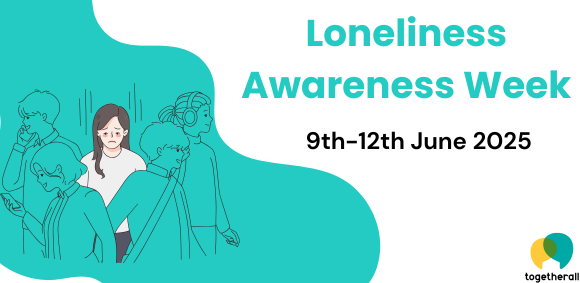
Loneliness Awareness Week

Loneliness Awareness Week: 9-15 June 2025

Loneliness awareness week is a weeklong campaign that raises awareness about loneliness and encourages people to make connections. This week is a time to talk about something that many people experience but don’t always share – loneliness. Perhaps you’ve experienced loneliness yourself, or maybe you know someone who has. Let’s use this week to learn more about this issue and find ways to support each other.  

What is loneliness?
People often confuse being alone with feeling lonely, but they are entirely different. Many people enjoy being alone as it provides time to relax, reflect and recharge. Loneliness, however, is that uncomfortable feeling of being isolated and disconnected even when surrounded by other people. Additionally, there is the desire to connect with others but sometimes feeling unsure how to do so.

Loneliness can happen for countless reason, maybe you just started a new course and don’t know anyone yet, or maybe you have drifted apart from loved ones. Whatever the reason, navigating loneliness can be challenging, but it’s crucial to remember that you are not alone in feeling this way.

The impact of loneliness
Loneliness is not just an emotional experience; it has significant consequences for both physical and mental health including:

  • Anxiety
  • Depression
  • Increased risk of heart disease, stroke, and dementia
  • Weakened immune system.
  • Sleep issues.
  • Suicidal thoughts
  • Substance abuse
  • Type 2 diabetes

How you can help
Let’s dive deeper into how you can help yourself or others feel less lonely:

For yourselfFor others
– Reach out to friends and family – a simple text or phone call can make a big difference in maintaining connections.
– Join clubs or attend community groups.
– Volunteering can help create a sense of purpose.
– Engage with people in your community.
– Dedicate time to work, study or hobbies.
– Use technology to contact with people online, there are lots of communities for all types of hobbies and interests.
– Check in with family, friends, and colleagues.
– Volunteering can also help others struggling with loneliness. For example you could consider becoming a befriender, to help those struggling with loneliness due to mobility, illness or other barriers. Offering up your time can help you both feel less lonely.
– Invite others to social gatherings.

In conclusion, loneliness awareness week reminds us that loneliness is a common experience and impacts people of all ages. By raising awareness and encouraging connection, we can combat isolation and make a real difference in the lives of those who are struggling.

Support and Resources for CAW Students
As a student of The College of Animal Welfare, you get FREE access to a wide variety of resources and support via the togetherall app; there is a great short online course on how to manage social anxiety. Togetherall also has forums so you can discuss any worries with others, and access to trained counsellors 24/7. If you haven’t set up an account, you can do so FREE of charge with your CAW email address.

If you are struggling with loneliness or any aspect of college life, remember you can access up to six confidential counselling sessions free of charge: full details can be found here.

Pride Month Banner Image

Pride Month 2025

This Pride month we want to shine a spotlight on YOU and how we as The College of Animal Welfare (CAW) can support you. We want you to feel safe and comfortable being yourself while you’re a part of the CAW Family and that’s why we’ve put together our Pride Guide; it’s full of information and resources.

Are you a CAW student – get involved!

Each lunch time during the second week in June (Monday 9th – to Friday 13th) we will be running pride-themed quizzes and activities!

  • Huntingdon, Leeds and North London – lunch time activities in centre (12:15-1:15pm)
  • BBB Virtual Classroom – If you do not come into one of the above centres, do not worry! We are also holding a quiz in the CAW Live virtual classroom during lunch breaks at the same time. Simply navigate to the student information section of the VLE and join!

What’s in the Pride Guide?

In the Pride Guide you’ll find key facts about Pride month, as well as some of the most common flags and terms you may see during Pride. We’ve also put together a guide to pronouns and why they’re important, as well as an article on the importance of positive allyship. Finally, we’ve included a section on LGBTQ+ support and resources, which includes support available from The College of Animal Welfare, support outside of college both nationwide and in the areas that most of our students are based and some LGBTQ+ creators and businesses to discover this Pride. You can view the Pride Guide here!

Suggestions? We’d love to hear them!

We also want to hear from you; if you have any suggestions for support we can offer get in touch with our EDI support group at edi@caw.ac.uk. We hope everyone has a safe and celebratory Pride month!

92% of Aspiring Veterinary Leaders Feel Underprepared: If you are one of them, we can help you!

Effective leadership in the veterinary sector has never been more crucial. However, recent research by the Veterinary Management Group (VMG) highlights a significant gap in leadership knowledge and skills among current and aspiring veterinary leaders.

The research is based on 413 responses to a self-assessment tool accompanying the VMG’s Veterinary Leadership Standards Framework. These responses were analysed to create VMG’s inaugural annual report on ‘The State of UK Veterinary Leadership’ with findings presented on 25 April at this year’s VMG Congress.

The VMG’s 2024 Leadership Standards Report reveals that a substantial portion of veterinary leaders rate their leadership knowledge and skills as ‘basic’. Specifically, 34% of current leaders and a staggering 92% of those aspiring to leadership roles feel underprepared. This indicates a pressing need for comprehensive leadership training tailored to the veterinary sector.

Rebecca Robinson, incoming VMG president, shared her thoughts: “This year’s report again highlights the urgent need to equip both current and future leaders with the skills and support they need to thrive. While there are encouraging signs of progress, we must act with greater urgency as a profession to embed leadership development at every level – especially for those stepping into leadership roles for the first time.”

Why not take the first step towards becoming a more effective leader in the veterinary sector by enrolling on one of our leadership courses?

Our leadership and management courses, accredited by the Institute of Leadership and Management (ILM) and offered at levels 3 and 5, will enable you to take better advantage of opportunities for development, build your confidence and develop your leadership skills and capabilities.

Whether you are a current leader looking to refine your skills or an aspiring leader aiming to make a successful transition, our courses offer the support and training you need. Our courses offer a flexible and convenient online learning experience, designed to fit around your busy schedule. Live online taught sessions are complemented with online course materials that will enhance your skills and confidence in making strategic management decisions, elevating your professional status as an effective leader and manager.

Does CAW offer any offer resources for those interested in in veterinary management?

We certainly do! Leadership is a journey and, whatever stage you are on that journey, we want to help you stay inspired, informed, and equipped with the knowledge, confidence, and tools to lead a team effectively whilst taking care of your own needs too.

Power Up Newsletter – leadership tips and insights, practical strategies, resources, news and more direct to your inbox. Subscribe here.

Free management resources for veterinary practice staff – helping you lead with confidence and clarity.

The Power Hour – bitesize leadership webinars for veterinary practice staff. You can view upcoming dates here.

Don’t let a gap in leadership skills hinder your professional growth, or ability to manage your team, start your power up today!

Mental Health Awareness Week

Mental Health Awareness Week: 12-18 May 2025

Mental health awareness week happens every year and is a vital time dedicated to educating and raising awareness about the importance of mental health. This year it will take place from 12 to 18 May. With mental health affecting millions of people worldwide, this week serves as a reminder that understanding and supporting mental health is essential to ensure mental health resources are accessible to all. It also serves as an opportunity to break down stigma, encourage open conversations and support those who are struggling.

Understanding mental health
Mental health is an important part of our overall well-being, it influences how we think, feel, and interact with others daily. It also affects every aspect of life, including relationships, work and decision making. Despite its significance, mental health often carries a stigma which can prevent people from seeking help or discussing their struggles openly.

Common mental health issues
Mental health challenges are more common than many people realise, with 1 in 6 individuals reporting that they experience a common mental health problem weekly. These include:

  • Depression: a disorder characterised by persistent feelings of sadness, hopelessness, and loss of interest.
  • Anxiety: a condition that causes an overwhelming feeling of worry, nervousness, or unease.
  • Post-Traumatic Stress Disorder (PTSD): a mental health condition triggered by experiencing or witnessing a traumatic event.
  • Obsessive-Compulsive Disorder (OCD): is a mental health condition where you have recurring thoughts and repetitive behaviours that you cannot control.
  • Schizophrenia: is a mental health condition that affects how a person thinks, feels, and behaves, often causinghallucinations, delusions and difficulty distinguishing between reality and imagination.

How you can help

Everyone can play a role in promoting mental health awareness and supporting those affected. Here are a few ways you can help:

  • Educate yourself: read and share information about mental health either in person or on social media, to better understand and empathize with those affected.
  • Listen to others without judgement: if someone opens up to you about their mental health struggles, be supportive and listen without judgement.
  • Open conversations: talking openly about mental health, can make it easier for others to share their experiences and seek help.
  • Encourage friends and family to get professional help if needed.
  • Support mental health organisations: Donate to or volunteer with organisations that provide mental health services and support.
  • Remember to take care of yourself: prioritise your mental health by making time for activities that make you happy and help you to relax! For example, exercise, reading a book, doing a hobby, spending time with loved ones, pampering yourself.

This mental health week lets strive to be more mindful of our own mental health and support those around us. By checking in on our loved ones and encouraging open conversations we can make a positive impact and ensure that no one has to face their struggles alone.

Support and Resources for CAW Students
As a student of The College of Animal Welfare, you get FREE access to a wide variety of resources and support via the togetherall app; there is a great short online course on how to manage depression and low mood. Togetherall also has forums so you can discuss any worries with others, and access to trained counsellors 24/7. If you haven’t set up an account, you can do so FREE of charge with your CAW email address.

If stress is getting overwhelming and persistent to you, or if you are struggling with any aspect of college life, remember you can access up to six confidential counselling sessions free of charge: full details can be found here.

Prevent Duty

Understanding the Prevent Duty in Education

What is The Prevent Duty?
The Prevent Duty is part of the UK government’s counter-terrorism strategy, known as CONTEST. It aims to prevent people from being drawn into terrorism or supporting terrorist activities. The duty places a statutory obligation on educational institutions to safeguard and promote the welfare of all their students. The Prevent Duty is specifically focussed on awareness and prevention of radicalisation. 

Objectives of The Prevent Duty

  1. Tackling the Ideological Causes of Terrorism: Addressing the root causes and ideologies that promote terrorism.
  2. Early Intervention: Identifying and supporting individuals who are at risk of radicalisation before they engage in terrorist activities.
  3. Rehabilitation and Disengagement: Assisting those who have already engaged in terrorism to disengage and reintegrate into society.

Why is The Prevent Duty Important in Further Education?

  1. Safeguarding Students: Further education institutions have a duty to protect their students from harm, including the risk of radicalisation. By implementing The Prevent Duty, colleges can create a safe and supportive environment for all learners.
  2. Promoting Critical Thinking: Educating students about the dangers of radicalisation and extremist ideologies encourages them to think critically about the information they encounter. This helps them to make informed decisions and resist manipulation.
  3. Building Resilience: By incorporating The Prevent Duty into the curriculum, institutions can help students develop resilience against extremist narratives. This includes promoting British values such as democracy, the rule of law, individual liberty, and mutual respect and tolerance for different faiths and beliefs.
  4. Fulfilling Legal Obligations: Compliance with The Prevent Duty is a legal requirement for further education institutions. Failure to adhere to this duty can result in sanctions and affect the institution’s reputation and funding
  5. Supporting Community Cohesion: Educating students about the importance of preventing radicalisation contributes to a more cohesive and inclusive society. It encourages students to respect diversity and engage positively with their communities.

How is The Prevent Duty Implemented in Further Education?

  1. Training and Awareness: Staff members receive training to recognise the signs of radicalisation and understand how to respond appropriately. This includes knowing how to make referrals to the appropriate authorities.
  2. Curriculum Integration: The principles of The Prevent Duty are embedded into the curriculum through lessons on citizenship, critical thinking, and British values. This helps students understand the importance of preventing radicalisation and promotes a culture of vigilance.
  3. Partnerships and Collaboration: Institutions work closely with local authorities, the police, and other agencies to share information and coordinate efforts to prevent radicalisation. This multi-agency approach ensures a comprehensive response to potential threats
  4. Safeguarding Policies: Colleges have robust safeguarding policies in place that include procedures for identifying and responding to concerns about radicalisation. These policies are regularly reviewed and updated to reflect current best practices.

By understanding and implementing The Prevent Duty, further education institutions play a crucial role in safeguarding students and contributing to the wider effort to prevent terrorism. This not only protects individuals but also helps to build a safer and more resilient society.

Union Jack flag

Understanding British Values and their Importance in Education

British Values encompass the core principles that underpin British society, and are promoted in educational settings to foster a sense of civic responsibility and belonging. Let’s take a look at what they are:

Democracy
In the context of British Values, democracy stands as a cornerstone principle that shapes our society and governance. As educators, it is crucial to impart an understanding of democracy to our students, not only to fulfil curriculum requirements but also to prepare them as informed and active citizens.

The Rule of Law
The rule of law is a fundamental principle that underpins democratic societies. It ensures that all individuals and institutions, including the government, are subject to and accountable under the law. This principle is essential for maintaining order, protecting individual rights, and ensuring justice. In the context of education, teaching the rule of law is crucial for preparing students to become informed, responsible citizens who contribute positively to society.

Mutual Respect
Mutual respect is the recognition and appreciation of the inherent worth and dignity of every individual. Mutual respect is a fundamental value that underpins healthy relationships and a harmonious society. It involves treating others with kindness, consideration, and understanding, regardless of their background, beliefs, or opinions. In our educational curriculum, teaching mutual respect is essential as it fosters a positive and inclusive learning environment. Including mutual respect in our wider education helps create a culture of empathy, co-operation, and social harmony, which is vital for both individual success and societal well-being.

 Individual Liberty
Individual liberty refers to the freedom of individuals to think, act, and express themselves freely, without undue interference from the government or other authorities. It encompasses a range of rights and freedoms, including freedom of speech, religion, and assembly. In our educational curriculum, teaching individual liberty is crucial as it empowers students to make informed choices, develop their own identities, and pursue their aspirations.

What do we do at CAW?

We encourage discussion during taught sessions whether face-to-face or online. Students are encouraged to think for themselves, contribute fully in the progress review process and actively participate in target setting in order to progress smoothly through their programme of study.  Discussion and debate is encouraged, at all times respecting the views and experiences of others. 

We encourage feedback from employers, students and other stakeholders.  We aim to create a safe environment where students feel safe to express their views and opinions. During debate and discussion we treating all points of view with respect and encourage students to do the same. 

All organisations operate based on rules, policies and procedures. At CAW we are no different. We have a code of conduct to support staff, students, employers and other stakeholders. We have to comply with Awarding Organisation policies and the expectations of our professional bodies.  We encourage students to embody these principles at all times. 

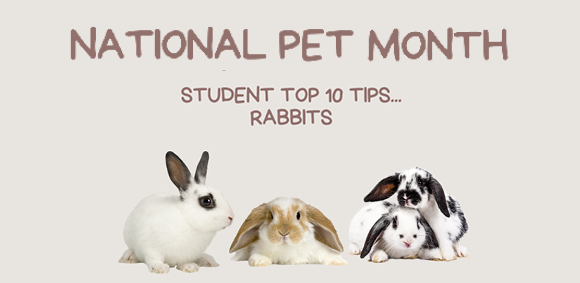
Student Top Tips for Responsible Pet Ownership – Rabbits

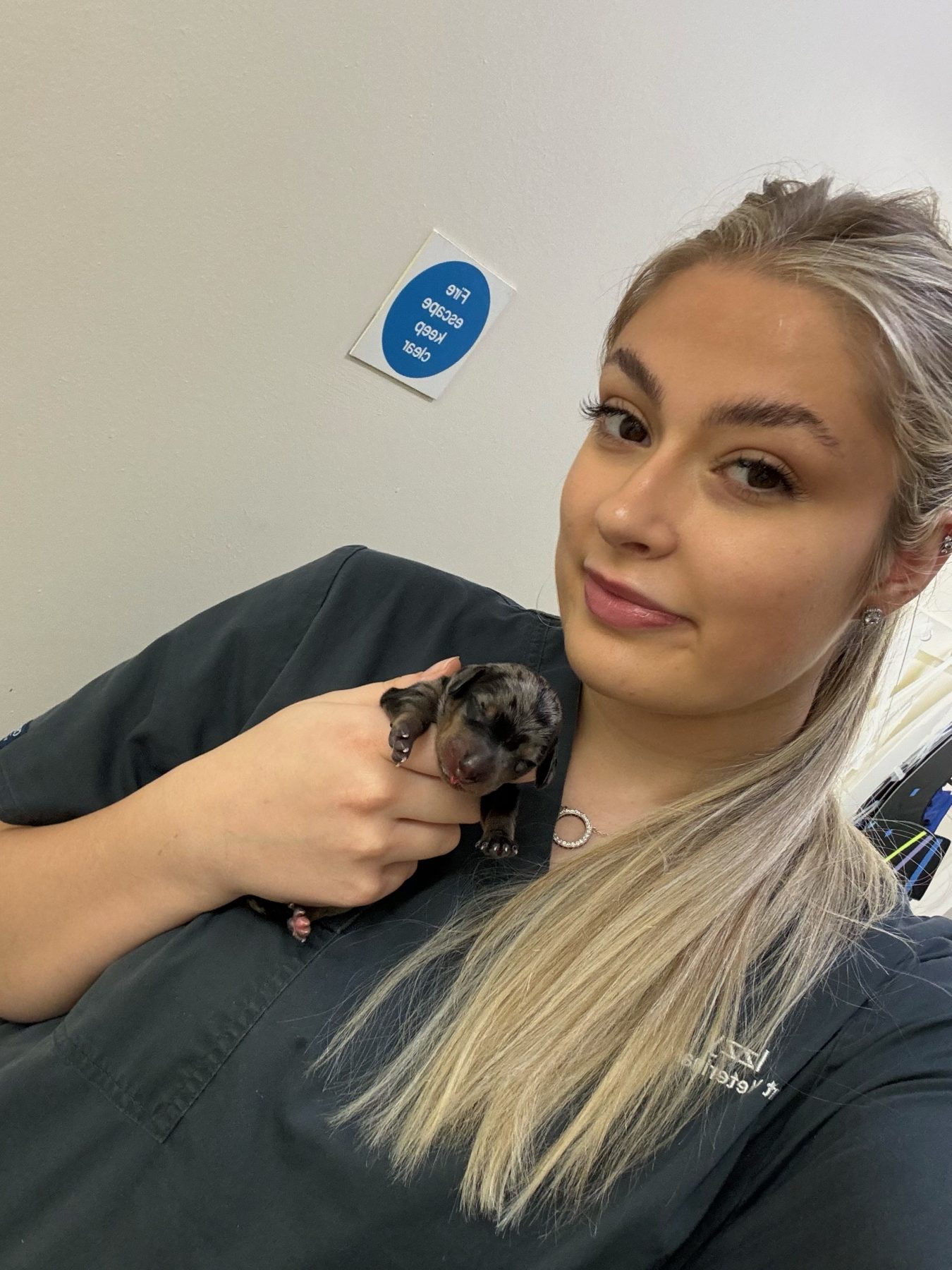
It is week four of National Pet Month, and time for another of our student top tips for responsible pet ownership blogs! This week, recent veterinary care assistant graduate, Mari, shares her Top Tips for Responsible Rabbit Ownership:

Top tips for looking after rabbits

Being a rabbit owner can be highly rewarding as rabbits often have big personalities and are entertaining to be around, however their needs are often complicated and in order to keep them happy and healthy, all their needs must be met and adjusted depending on their age, breed and health status.

The 10 things all rabbits require to thrive are as follows:

1. Water, Diet and Nutrition

There are four staples which must make up every domesticated rabbit’s diet which include:

  • Fresh, clean drinking water every day, either in a bowl or a non-drip drinking bottle depending on your rabbit’s preference. Rabbits must always be able to access water, so it is important to check regularly that there is plenty readily available.
  • The main staple of a rabbit’s diet is usually hay or grass which is high in fibre; however, rabbits digest fibre poorly and therefore need a large amount within their diet to be able to absorb what they need. A high-quality hay or grass should make up 85- 90% of a rabbit’s diet and should always be accessible. Fibrous grass and hay also wear down rabbits’ teeth and without this in their diet their teeth are likely to become overgrown. Additionally, a rabbit’s gut must always be moving and the high fibre content of grass and hay assists with this, without this the rabbit can potentially have gut statis where there is no movement through the gut, which can be fatal. It is advised that a large handful or approximately the same size of the rabbit of fresh high-quality hay or grass should be given daily. Rabbits must never be given cut grass as the heat from lawnmowers and the cutting process changes the properties of the grass causing it to ferment quicker and potentially upset a rabbit’s stomach if consumed.
  • A handful of fresh greens and vegetables should be given every day for variety in the rabbit’s diet and to add some of the vitamins, nutrients, and minerals the rabbit requires. A large cupful should be given daily, and the contents should vary. It is important to be mindful of the amount of each vegetable or green that is given to the rabbits as some dark leafy greens are high in calcium and too much can cause issues. Similarly, too many vegetables from the cabbage family can cause painful gas and cause a rabbit discomfort. Other vegetables and fruits such as carrots can be high in starch and sugars and too much of these disturbs the gut balance, so access should be limited.
  • Rabbits should also be provided a small amount of nutritionally rich nuggets to compliment the rabbit’s diet to provide additional vitamins and minerals which may not be included in the hay and fresh greens. They often also help with general health and digestion. It is vital not to overfeed rabbits with nuggets as this may prevent them eating as much hay and greens as they should. The pellets should only make up 5% of their diet and it is advised to spread them around the cage to encourage the rabbit to forage for them. Muesli style food should be avoided at all costs as it encourages selective feeding where the rabbit may only eat the bits they enjoy the most from the food and therefore are not getting a varied and nutritionally balanced diet. It may also encourage the rabbit to solely eat the muesli and avoid the hay/grass and leafy greens which are vital for their health, and this is why these types of foods should be avoided.
  • Shop bought treats for rabbits often have a high sugar content and are not ideal as part of their diet, so it is advised to provide fresh fruits and vegetables such as apple with the pips removed, strawberries, kiwi or melon in small amounts in the form of treats, which are likely to be more beneficial for the rabbit’s health.

2. Suitable Housing

Rabbits can be housed indoors or outdoors, but whichever location is chosen, it is important to ensure all the rabbit’s needs are met. They need to be housed in a suitable cage which is a large enough space for them to be able to stand up on their hind legs and stretch out comfortably. They must also be able to move around freely with plenty of room for them to exhibit normal behaviours. The construction of the housing, whether a hutch or cage, must be of a non-toxic material and made up of materials that can withstand chewing or gnawing such as bars. If plastic or wood is used, then this must be monitored regularly for chewing as damage to the interior could lead to an escape.

The recommended minimum size for rabbits is approximately 10ft x 6ft x 3ft (3M x 2M x 1M) but a larger living space is recommended for happy rabbits.

Outdoor housing
Outdoor housing must be sheltered from the elements and be well insulated to keep bunnies warm in the winter and in an area of shade for the hot summer days to prevent them from getting heatstroke. The shelter must be off the ground to prevent water getting in on rainy days and be large enough for the rabbit to be able move around comfortably and freely.

Indoor housing
Indoor housing must be large enough for the rabbit to live comfortably and must be made of a sturdy escape proof material. It must provide a sheltered area where rabbits can hide if they desire.  Plenty of owners allow their rabbits to roam free within a room or a floor of the house but it is important to make sure the rabbit cannot access or chew any items which may cause it harm, such as cables and wires or house plants. Any time a rabbit does have free roam they must be supervised to prevent them from escaping into areas they are not allowed or chewing items that they should not, such as skirting boards or door frames. Indoor rabbits can also be litter trained by placing a litter tray in the area they have chosen to use the toilet.

Regardless of whether a rabbit is housed inside or outside they should always be given an outside space for exercise, sunlight and fresh air where they can exhibit normal behaviours such as foraging, eating grass and digging. This can be an enclosed area within the garden or free roam as long as the garden in escape proof and there is no access to anything which can cause harm, such as toxic plants.

3. Exercise

Ideally, a rabbit should have an area for exercise as part of their housing so they can exercise freely, however space does not always allow for this, especially for indoor rabbits, so it is vital that an exercise area can be provided for rabbits. This area needs to be large enough for them to be able to sprint and hop around freely. Rabbits must be given access to this area daily for regular exercise so they can exhibit normal rabbit behaviour. Regular exercise also prevents obesity and boredom.

4. Companionship

Rabbits are naturally social creatures and enjoy the company of other rabbits and, although they enjoy the company of humans, human companionship alone is not enough to meet their social needs. They seek comfort in having another rabbit close and enjoy being around a companion as they enjoy being near each other, grooming each other, and keeping close together for warmth. Ideally rabbits who are housed together should be bonded prior to being put together and should be neutered if they are not siblings to prevent any competing, sexual or dominating behaviours. It is vital to note that it is unsuitable to house rabbits with other species such as guinea pigs as they are unable to communicate in the same ways and this can cause issues.

5. Health

Spending plenty of time with your rabbit helps you to be able to recognise when they are feeling unwell. Signs that may indicate your rabbit is ill include:

  • Unkempt or greasy fur
  • Loss or reduction in appetite
  • Not being as active as usual
  • Grinding teeth
  • Unusual posture
  • Change in faeces consistency or regularity

If there are any concerns that the rabbit is not right then veterinary advice should be requested.

6. Toys and enrichment

Providing rabbits with items in their home to interact with is vital in keeping domesticated rabbits happy. They can easily become bored as in the wild they would spend a large percentage of their time foraging and looking for food. Pet rabbits do not need to do this as owners meet this need, therefore other activities need to be provided as entertainment. There are a wide variety of items available that can be added to the cage for the rabbit to use as entertainment such as:

  • Tubes or tunnels
  • Balls and toys
  • Gnawing items
  • Cardboard boxes
  • Digging box
  • Foraging toys

Having these items allows for rabbits to be stimulated and exhibit normal behaviours. It is important to ensure that regardless of which items are provided, that they are made of a safe material for rabbits that will not give them stomach issues.

7. Grooming

Rabbits generally spend a large amount of time grooming themselves and each other if they have cage mates, but they will still need regular brushing to help keep their coat in a good condition. It also gives the owner bonding time with their pet and an opportunity to check the rabbit’s coat for any unwanted parasites such as fleas, ticks, flystrike or mite. It is also a chance to check if there are any issues with their skin, such as sores, lumps and dandruff. Rabbits go through a moult twice a year and will need assistance to remove the excess shedding fur and prevent this fur from being consumed by the rabbit. Depending on coat length, rabbits should be brushed at least once a week, twice for longer haired rabbits. Rabbits with very long hair may need to be brushed daily, especially if they are prone to matting. It is important to make sure this is not a stressful experience for the rabbit as stress can cause health issues, so slowly building up this routine and getting the rabbit to become accustomed to being groomed is vital. The tools to use during this process vary depending on coat length and fur type so it is advised to speak to a veterinary professional to find out which tools are going to be most suitable for your pet. Rabbits’ skin can be very sensitive so it is vital to use tools that are not going to damage the rabbit’s skin or cause sores, so all brushes and combs used must be fairly blunt. It is also a good time to check the rabbit’s nails and if too long then cutting them to a suitable length is advised, but be mindful of the quick – the pink part of the nail – as if this is cut this will bleed and cause pain to your rabbit. Again, seeking advice from your veterinarian as to how much nail to cut is advised.

8. Exhibit normal behaviours

In the wild, rabbits would roam and spend a large amount of time foraging and looking for food within a colony. Within a domesticated environment it is vital to encourage these normal behaviours to ensure they are happy and adequately stimulated. This is why it is advised to provide your pet with tools to mimic life as a wild rabbit. These include:

  • A large exercise area or plenty of time to spend in a large area where they can exercise, dig and forage
  • Other rabbits so they can socialise and have companionship
  • A diet that is similar to what they would find in the wild, this includes foraging for high value treats, which will provide stimulation
  • Toys and hides that the rabbit can interact with
  • A suitable home where they are protected and have enough space to be able to move around freely

9. Annual veterinary visits

 Annual health checks with a veterinarian are advised for rabbits to check their teeth, weight and general health. It is also recommended that they are vaccinated against potentially life-threatening diseases such as myxomatosis and rabbit haemorrhagic disease. These appointments can be used to seek advice on grooming and diet and discuss any concerns that an owner may have about their rabbit.

10. Handling

Generally, rabbits do not like to be picked up and carried, it makes them feel unsafe, so this process needs to be built up over time, starting while rabbits are young and getting them used to being handled is advised. Start slowly by sitting next to them and petting them until they are comfortable with you is advised. Rabbits that are not used to being handled are likely to panic when being picked up and it is important to ensure that both owner and rabbit are safe during the process. Rabbits may start to kick their legs or start thrashing around and it is important to ensure they are unable to hurt themselves as their spines especially are very fragile and can be damaged easily. The correct way to pick up a rabbit is to place one hand under the rabbit’s chest, the other hand under their hind legs and lift gently, holding the rabbit against your body for added support, but try not to hold too tightly as the rabbit is likely to resist. This should only be for short periods as rabbits feel their safest when they are restriction free and at ground level. Most importantly, rabbits must always be fully supported while being held and they must never be picked up by their ears or their scruff as this can be damaging to them.

Rabbits are at their happiest when there is plenty of fresh food, a large clean space and plenty of things for them to do. As long as they have regular contact with their humans or a companion rabbit and undergo regular health and wellbeing checks then they are likely to live long happy lives and provide their owner with years of affection and entertainment.

During National Pet Month our students are also raising money for StreetVet – we will bring you details of activities that they are organising and taking part in in due course. StreetVet is a charity that provides free veterinary care to the pets of people experiencing homelessness. It is a wonderful cause because it not only helps ensure the health and wellbeing of these pets but also brings comfort and companionship to their owners during challenging times. You can learn more about their incredible work and donate to the cause here.

Celebrating OSCE Success: 100% Pass Rate in March Exams

Congratulations to all our student veterinary nurses who took the March VetSkill OSCEs (practical exams) – we are delighted to announce that all students passed! This is a fantastic accomplishment that reflects the dedication, skill, and hard work of our veterinary nursing students and academic team.

A special congratulations goes to Emma Nash and and Isobel Lewis, who achieved the outstanding feat of passing all 12 OSCE stations on their very first attempt for the companion animal award. And a big congratulations too to Heather Davie for passing all 12 stations of the equine veterinary nursing OSCEs. Emma, Isobel and Heather will all receive one of the new VetSkill OSCE star awards badges.

The first-attempt pass rate remains impressively high for The College of Animal Welfare students – 90.5% for apprentices and 89% for non-apprenticeship students – showing consistent performance and excellence across the board.

We are incredibly proud of all our students, and our tutors and academic support teams that make these successes possible.

Well done, everyone!

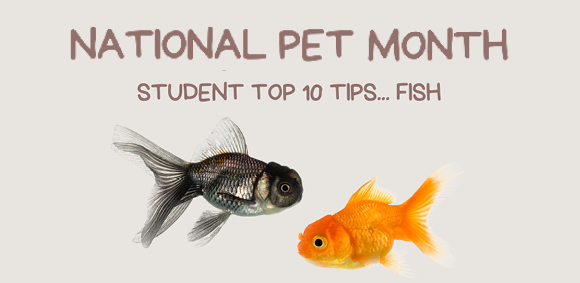
Student Top Tips for Responsible Pet Ownership – Fish

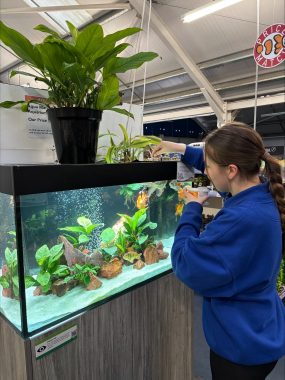
It is week three of National Pet Month, and time for another of our student top tips for responsible pet ownership blogs! This week, level 2 animal care student (and fish enthusiast), Charlotte, shares her Top Tips for Responsible Fish Keeping:

Top tips for keeping fish!

  1. The more fish you keep in a tank, the more waste! This means more water changes, and more likely to have a nasty ammonia spike!
  2. The bigger the tank, the better. As the volume of water is larger, if you were to have a spike in ammonia or nitrite, it is much more diluted than if it was a smaller tank, therefore less fatal and easier to fix.
  3. If you buy a fish to clean the tank, it won’t. The ‘cleaning fish’ will just contribute to more waste levels, which will cause an increase in nitrates, leading to more algae/water quality issues.
  4. Having a wide variety of foods is great! Especially for your bottom feeders like shrimp or corydoras, they will benefit from a sinking pellet rather than flake. But fish like tetras, livebearers and middle/top occupying fish will love flake. It’s great to give frozen/live as a treat every now and then.
  5. Keep on top of maintenance. Not keeping of top of this can be fatal for your fish and the tank!
  6. Do not rush it! Fishkeeping is a hobby that requires patience. If you rush your cycle, you will face the not-so-nice consequences.
  7. The more expensive the kit, the better it is! They will always do a better job than your cheaper products and will more likely have a long warranty because the product is very reliable.
  8. Over filtrate! There is nothing wrong with this. It just means the filter can hold more good bacteria to tackle fish waste. Water changes will still need to be done regularly though!
  9. You are caring for the water as well as the fish. The water is beneficial for your fish to thrive, so keeping your ammonia and nitrite levels to zero and nitrates below 40ppm will help your fish thrive. Keep an eye on water pH, hardness and temperature too.
  10. Fish do grow big! ‘Fish will grow to the size of the tank’ is a common myth. Unfortunately keeping a fish in an aquarium too small will cause stunting, which is uncomfortable and damaging their internal organs. This is fatal!
  11. Goldfish do grow big! Both your common goldfish and fancy goldfish varieties do grow big, therefore will need a large aquarium. They are very messy too, so make sure the filter is powerful enough for them. Common goldfish are carp, so thrive best in a pond.
  12. Fish must be kept in a filtered, cycled tank. A bowl is not a suitable home for them. Make sure to have a heater if they are a tropical species.
  13. Do your research before buying fish, it will benefit yourself and their welfare!

During National Pet Month our students are also raising money for StreetVet – we will bring you details of activities that they are organising and taking part in in due course. StreetVet is a charity that provides free veterinary care to the pets of people experiencing homelessness. It is a wonderful cause because it not only helps ensure the health and wellbeing of these pets but also brings comfort and companionship to their owners during challenging times. You can learn more about their incredible work and donate to the cause here.

Happy National Pet Month!

Blended Learning and the 70:20:10 Model

Blended learning is an educational approach that combines traditional face-to-face classroom methods with online and digital learning activities. This model allows learners to benefit from the best of both worlds: the personal interaction and immediate feedback of in-person instruction, and the flexibility and accessibility of online resources. Blended learning can include various formats, such as:

  • In-person workshops: Interactive sessions where learners can engage directly with instructors and peers.
  • Online courses: Self-paced modules that learners can complete at their convenience.
  • Webinars: Live online sessions that offer real-time interaction and discussion.
  • E-learning platforms: Digital tools and resources that support continuous learning.

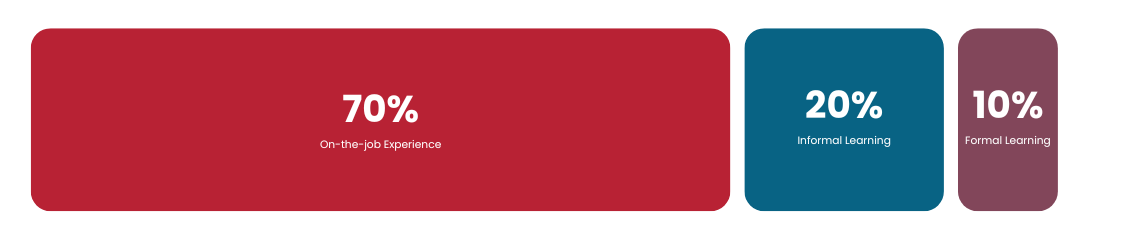
The 70-20-10 model is a learning and development framework that suggests individuals learn most effectively through a combination of:

  • 70% of learning coming from on-the-job experiences: This includes practical, hands-on tasks and challenges that employees encounter in their daily work. Learning through experience helps employees develop skills and knowledge in a real-world context.
  • 20% of learning from social interactions: This involves learning from colleagues, mentors, and peers through collaboration, feedback, and informal conversations. Social learning helps employees gain insights and perspectives from others.
  • 10% of learning from formal education: This includes structured courses, workshops, and training programmes. Formal learning provides foundational knowledge and skills that employees can apply in their roles.

Employers can utilise the 70:20:10 model of blended learning to create effective professional development plan for employees by:

  1. Integrating Various Learning Methods: Combine in-person training with online courses and digital resources to provide a comprehensive learning experience.
  2. Encourage On-the-Job Learning: Create opportunities for employees to take on new challenges and responsibilities that promote experiential learning.
  3. Foster Social Learning: Facilitate mentorship programmes, peer-to-peer learning, and collaborative projects to enhance social interactions and knowledge sharing.
  4. Offer Formal Training: Provide access to accredited courses and workshops that deliver essential skills and knowledge.

By adopting these approaches, employers can support their employees’ growth and development, leading to a more motivated and capable workforce.

The 70:20:20 approach to learning

As Richard Branson once said “Train people well enough so they can leave.  Treat them well enough so they don’t want to” Ongoing commitment to training and developing staff will go a long way to creating a loyal and happy workforce.

If you are looking to for formal learning to compliment your staff’s on the job learning, The College of Animal Welfare offers a range of apprenticeships and ofqual accredited qualifications, as well as webinars and online short courses/CPD. To find out more give us a call on 01480 422060 and speak to one of our Client Advisors, or visit our website for more information.