Author Archives: Admin User

RCVS white setting standards logo on a blue background

RCVS invites veterinary nurses to ‘Quiz the candidates’ ahead of this year’s VN Council elections.

The RCVS Veterinary Nurses (VN) Council election takes place this March. The VN Council has the responsibility for matters concerning veterinary nurse training, post-qualification awards and the registration of qualified veterinary nurses. The three candidates who are standing in this year’s election for the two available elected places are:

  • Bethan Pinhey RVN
  • Hannah Welsman RVN
  • Lauren Whittaker RVN

The two candidates with the most votes will join VN Council for their three-year terms at the College’s AGM in July. The VN Council candidate biography and statements are available to read on www.rcvs.org.uk/vnvote25

Simon Wiklund, Assistant Registrar and Returning Officer for both elections, said: “We are glad to see such a large number of veterinary professionals putting themselves forward as candidates for this year’s elections.” He went on to share important changes to the election scheme, allowing greater flexibility in how these elections are run, and information submitted by candidates.

In a change to candidate statements, this year candidates will provide more focused and relevant information by answering key questions about skills and experiences they can bring to the role as a council member, rather than submitting a broad manifesto.

Ahead of the elections, RCVS will be running its ‘Quiz the candidates’ initiative inviting veterinary nurses to submit questions to the candidates. This new approach will help you make more informed decisions and ensure that the elected Council members truly represent your interests and needs. Candidates will answer one question of their choice each.

Before submitting questions to the candidates, please note the RCVS will only accept one question per person. Offensive, defamatory, and inaccurate questions will be rejected by the Returning Officer and not be passed on to candidates.

Veterinary nurses can submit a question to the VN Council candidates by emailing vnvote25@rcvs.org.uk.

You have until Friday 28 February 2025 to submit your question.

Time To Talk Day Advert

Time to Talk Day – 6 February 2025

Did you know that one in six people report experiencing a mental health problem weekly? Despite this being such a common problem, many still feel unable to talk about their struggles. Time to talk day is an annual awareness day, organised by Mind and Rethink Mental Illness in partnership with the Co-op.

This day is dedicated to breaking down the silence and stigma surrounding mental health, as well as encouraging us to have open and honest conversations with the people around us.

The importance of talking about mental health

Talking about mental health has a number of positive benefits including:

  • Destigmatising Mental Health Issues – Having open and honest discussions create an environment where people feel more comfortable seeking help and support. Research from the Mental Health Foundation reveals that nine out of ten people with a mental health issue have experienced stigma and discrimination, highlighting the importance of challenging these attitudes.
  • Reducing Isolation – for those struggling with mental health issues, sharing their feelings with others can help them feel less alone and remind them that support is available.
  • Improving awareness and understanding – open conversations increase awareness and help people better understand mental health challenges.
  • Talking about mental health can also help friends and family understand the challenges their loved ones are facing, as well as providing them with information on how to best support them.

How can you get involved?

  1. Take a moment to check in with a friend, family member or colleague – sometimes a simple conversation can make a big difference.
  2. Use your social media platforms to spread awareness and information about mental health using the #TimetoTalk.
  3. Pop up some posters in your workplace or community to encourage open conversations about mental health.
  4. Donate to a mental health charity to help them continue spreading awareness and helping people in need.

Time to Talk Day reminds us how vital it is that we continue to have conversations about mental health. Whether it’s a simple chat with a loved one, sharing resources online, or supporting mental health charities, every action helps create a more understanding and compassionate society. Let’s work together to break the silence, challenge stigma, and ensure that no one feels alone in their struggles!

Support and Resources for CAW Students

As a student of The College of Animal Welfare, you get FREE access to a wide variety of resources and support via the togetherall app; there is a great short online course on How to help someone open up to you | Resources | Togetherall. Togetherall also has forums so you can discuss any worries with others, and access to trained counsellors 24/7. If you haven’t set up an account, you can do so FREE of charge with your CAW email address.

If you are struggling with your mental health or any aspect of college life, remember you can access up to six confidential counselling sessions free of charge: full details can be found here.

A line of matches with the first section burnt but a barrier protecting the second section

Avoiding Mental Burnout in Veterinary Practice

Working in veterinary practice can be incredibly rewarding, but it also comes with its unique set of challenges that can lead to mental burnout. Veterinary nurses often experience high levels of stress due to the demanding nature of their work. Long hours, emotional strain from dealing with sick or injured animals, and the pressure of providing the best care can take a toll on mental health. Here are some strategies to help avoid burnout and maintain a healthy work-life balance.

1. Prioritise Self-Care

Self-care is essential for maintaining mental health. This includes getting enough sleep, eating a balanced diet, and engaging in regular physical activity. Taking time for yourself, whether it’s through hobbies, meditation, or simply relaxing, can help recharge your batteries and reduce stress.

2. Set Boundaries

Setting boundaries between work and personal life is crucial. This can be challenging in a demanding field like veterinary practice, but it’s important to establish clear limits. Avoid taking work home with you, and make sure to take regular breaks during the day. Communicate your boundaries to colleagues and clients to ensure they respect your time.

3. Seek Support

Don’t hesitate to seek support from colleagues, friends, or family. Talking about your experiences and feelings can provide relief and perspective. Joining a support group for veterinary professionals can also be beneficial, as it allows you to connect with others who understand the unique challenges of the field.

Vetlife provides support to members of the UK veterinary community and their families who have emotional, health or financial concerns, whilst seeking ways to prevent such situations in the future. Visit their website to make contact or view their available online resources.

4. Manage Workload

Managing your workload effectively can help prevent burnout. Prioritise tasks and delegate when possible. Learn to say no to additional responsibilities that may overwhelm you. Time management techniques, such as creating a daily schedule or using productivity tools, can help you stay organised and reduce stress. Speak to your line manager and form a plan together.

5. Develop Coping Strategies

Developing healthy coping strategies is essential for dealing with the emotional aspects of veterinary practice. This might include mindfulness techniques, such as deep breathing exercises or meditation, which can help you stay grounded and calm. Engaging in creative activities, like drawing or writing, can also provide an emotional outlet.

6. Continuing Education

Continuing education can help you stay engaged and passionate about your work. Attending workshops, conferences, or online courses can provide new insights and skills, keeping your practice fresh and exciting. It can also help you feel more competent and confident in your abilities, reducing stress and burnout.

7. Create a Positive Work Environment

A positive work environment can significantly impact your mental well-being. Foster a supportive and collaborative atmosphere among your team. Celebrate successes, no matter how small, and provide constructive feedback. Ensuring that your workplace is a safe and pleasant space can make a big difference to your overall job satisfaction.

8. Take Time Off

Regularly taking time off is essential for preventing burnout. Use your annual leave to disconnect from work and recharge. Even short breaks, like a weekend getaway or a day off, can provide much-needed rest and relaxation. Make sure to plan these breaks in advance and stick to them.

9. Seek Professional Help

If you find yourself struggling with burnout, don’t hesitate to seek professional help. A mental health professional can provide guidance and support tailored to your specific needs. Therapy or counselling can help you develop coping strategies and address any underlying issues contributing to your burnout.

Conclusion

Avoiding mental burnout in veterinary practice requires a proactive approach to self-care, boundary setting, and seeking support. By implementing these strategies, you can maintain your mental health and continue to provide the best care for your patients. Remember, taking care of yourself is just as important as taking care of the animals you treat.

Further Resources

Vetlife

Mind.org.uk

Togetherall

British Red Cross

Every Mind Matters

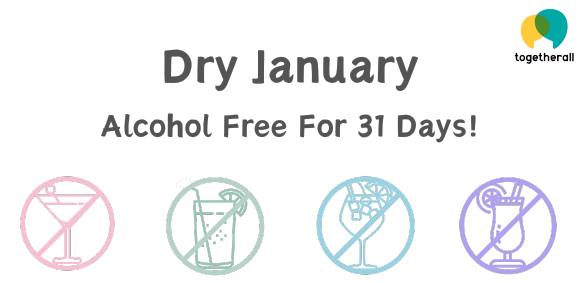
Dry January – Why get involved?

Every year millions of people across the UK take part in dry January, a 31-day challenge to abstain from alcohol. Whether it’s about recharging after the indulgences of the festive season or setting healthier intentions for the year ahead, this growing trend offers a chance to reset your body and mind.

What’s in it for me?

Dry January offers an opportunity to improve your physical health, mental wellbeing, and financial habits. But is more than just a personal challenge, it’s a nationwide effort to rethink our drinking habits and explore the benefits of living alcohol – free (even if it’s just for 31 days).

Health benefits

Alcohol impacts nearly every system in the body, so even a short break from drinking can lead to noticeable changes in both your physical and mental health. Let’s explore some of the key health benefits, in more detail below.

Physical Health: Studies have shown that giving up alcohol for just one month can result in significant improvements in your overall health. In fact, a survey from the University of Sussex* found that:

  • 71% of participants slept better.
  • 58% of participants lost weight, due to less calorific beverages and reduced late-night snacking.
  • 54% of participants noticed improvements in their skin, with fewer breakouts and a healthier complexion.
  • 70% of participants had generally improved their health.

Mental wellbeing: While initially, alcohol may feel like a stress reliver, it often amplifies anxiety and low moods in the long run.

Abstaining from alcohol provided a lot of people with mental clarity and increased concentration. It caused 82% of people to think deeper about their relationship with alcohol, as well as thinking more about when and why they drink. It also forced a lot of people to realise they don’t actually need a drink to still have a great time and enjoy themselves at social gatherings!

In addition to improved health, 88% of participants reported saving money during dry January, a particularly welcomed benefit after the festive season!

Some tips to help you succeed during dry January:

  • Set some clear goals: remind yourself why you are participating in dry January.
  • Team up with a friend or family member to support and cheer each other on throughout the month!
  • Use an app or journal to record your dry January streak and celebrate all milestones to help stay motivated throughout the month.
  • Treat yourself to some delicious non-alcoholic drinks!

In conclusion, dry January offers more than just a chance to skip the hangovers—it’s an opportunity to reset your habits, improve your health, and gain clarity about your relationship with alcohol. Whether you’re motivated by health benefits, financial savings, or the challenge itself, the rewards of a booze-free month are undeniable.

So, why not give dry January a try this year? You might be surprised by how much you gain from what you give up. Cheers to a healthier, happier you—without the hangover!

Support and resources for CAW students

As a student of The College of Animal Welfare, you can gain a wide variety of resources and support via the Togetherall app; there is a great little short online course to help you achieve Dry January on How to Help you Cut Down Your Drinking.

If you are worried about the amount of alcohol you are drinking, or are struggling with any aspect of college life, remember you can access up to six confidential counselling sessions free of charge; full details can be found here.

* Statistics sourced from – https://www.sussex.ac.uk/news/article/47131-how-dry-january-is-the-secret-to-better-sleep-saving-money-and-losing-weight

Setting and Achieving Careers Goals: A Comprehensive Guide

In today’s fast-paced world, building a fulfilling career requires intentional planning and sustained effort. Whether you’re just starting out, contemplating a mid-career pivot, or striving to progress in your workplace, setting and achieving career goals is crucial for personal and professional growth. Let’s explore how to do this! 

Why Setting Career Goals Matters 

  • Direction and Focus: Goals give you a roadmap, helping you make informed decisions about where to allocate your time and energy. 
  • Motivation: Knowing what you’re working towards fuels determination and resilience during challenging times. 
  • Accountability: Clear goals enable you to measure progress and stay on track. 
  • Skill Development: Targeted goals often require learning and growth, helping your skills stay relevant to your role. 

How to Get Started! 

Set goals that are realistic and achievable by using the SMART framework. For example, “Achieve the ILM Level 3 certificate in Leadership and Management qualification by December 2025” 

  1. Specific: You have clearly defined what you want to achieve – completing the qualification.  
  1. Measurable: It is easy to measure whether you achieve the qualification within the timescale. 
  1. Achievable: This goal is achievable as the qualification should take 12 months to complete. 
  1. Realistic: It is a realistic goal as you have time to dedicate to your studies. 
  1. Time-bound: You have attached a deadline and completion date to create urgency.  

Breaking down long-term goals into smaller, actionable steps can make them more manageable. Regularly review your goals to measure progress and make adjustments. Tools like career journals or project management software can help. 

Industries evolve rapidly and staying competitive means continuously upgrading your skills. Embrace learning as a lifelong process. Regular feedback from managers, peers, or mentors helps you refine your approach and identify any blind spots. Flexibility is critical; if circumstances shift, reassess and adjust your goals without losing sight of your broader aspirations. 

Overcoming Challenges 

No journey is without obstacles, but resilience and strategy can help you overcome them. 

  • Procrastination: Break tasks into smaller steps, set deadlines, and minimise distractions. 
  • Fear of Failure: Reframe failure as a learning opportunity. Each setback is a chance to refine your approach. 
  • Lack of Motivation: Revisit your “why.” Remind yourself of the reasons behind your goals and the benefits of achieving them. 
  • Limited Resources: Be resourceful. Seek free or low-cost training programmes or find a mentor who can guide you. 

Celebrate Your Wins. Recognising and celebrating your achievements, big or small, is essential. Success breeds confidence, so take a moment to enjoy milestones before moving on to the next challenge. 

Final thoughts… 

Setting and achieving career goals is not a one-time event but a dynamic process. Your aspirations may evolve, and that’s perfectly fine. The key is to remain focused, adaptable, and persistent. Remember, a fulfilling career isn’t just about reaching the destination; it’s about growing and enjoying the journey along the way. 

Start today—define your goals, create your plan, and take the first step toward building the career of your dreams! 

Equine apprentice tightening up a girth strap

How to Find an Apprenticeship Working with Horses: A Guide to Jump-Start Your Equine Career

If you’re passionate about working with horses and considering an equine apprenticeship with The College of Animal Welfare, there are some requirements to keep in mind. The most notable of these, is that you must be living and working in England in a suitable equine environment (such as a riding school, horse charity, or racing yard), and this is often the sticking point for many potential apprentices. Whilst finding a job as an equine apprentice can feel challenging, don’t be discouraged! Here are some tips and strategies to help you secure an equine apprenticeship position:

  1. Volunteer!

If you’re struggling to secure an apprenticeship, definitely consider volunteering. This hands-on experience can greatly improve your chances of landing a paid apprenticeship in the future – and often, we find, in can be the organisation that you volunteer for!

Look for volunteer opportunities at equine charities, stables, and riding schools, or inquire at local animal shelters with equine facilities. Volunteering demonstrates your commitment and offers invaluable learning experiences that make you a strong apprenticeship candidate.

  • Search for Equine Apprenticeships on the Government’s “Find an Apprenticeship” Website

The UK government’s official apprenticeship website is a valuable resource for finding an apprenticeship job. You can search by location or keywords to pinpoint opportunities that fit your needs. Once you identify a position, create an account on the website to apply. Explore the “Find an Apprenticeship” website here: https://www.findapprenticeship.service.gov.uk.

  •  Browse Online Job Boards

Job boards like Indeed, Glassdoor, and apps like LinkedIn, frequently feature equine apprenticeship positions. You can even set up alerts straight to your email address so you don’t miss anything!

  • Follow Equine Employers on Social Media

Equine employers often post new apprenticeship openings on their social media channels. So if there are riding stables/yards etc. near you be sure to follow them and stay updated on any new opportunities. Don’t forget to follow The College of Animal Welfare on Facebook to see our latest apprenticeship posts and updates!

  •  Contact Equine Employers Directly

Contact stables, riding schools, equine charities, and racing yards to introduce yourself and express interest in apprenticeship opportunities. This proactive approach will demonstrate your commitment and enthusiasm to potential employers. When contacting employers, a polite email or phone call is appropriate, but visiting in person can make an even stronger impression. Even if they don’t have any openings, they may keep your information on hand for future opportunities or refer you to someone in their network.

  • Keep Your CV and Cover Letter Updated

Having an updated CV is essential. Include all relevant equine experience, including volunteer work, part-time roles, and any horse care studies you’ve undertaken. Be sure to mention any relevant hobbies that illustrate your passion for the field.

Equine Apprenticeships at The College of Animal Welfare

We offer both the level 2 and 3 equine apprenticeships, follow the links below for more information.

Before you finish… please take a few minutes to sign up to new apprenticeship vacancy alerts on our website. Any equine apprenticeship vacancies we are helping employers to recruit for will be emailed out to anyone who has signed up to receive the alerts. It only takes a few minutes to do and, you never know, the perfect job might come up for you!

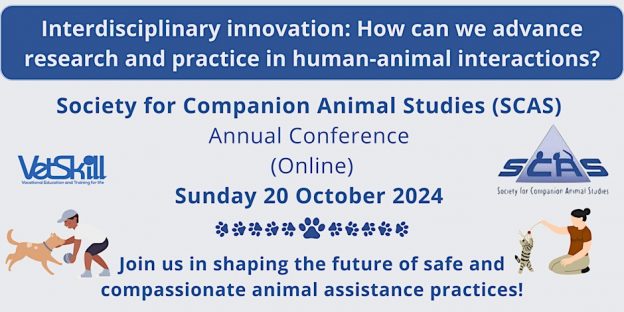
Society for Companion Animal Studies Conference 2024 – Interdisciplinary Innovation: How can we advance research and practice in human-animal interactions?

Researchers and practitioners will come together at the Society for Companion Animal Studies (SCAS) annual conference on Sunday 20th October 2024 to shape the future of safe and compassionate Animal Assistance Services through interdisciplinary innovation.  

Leading UK and international experts will share the latest research and practice in human-animal interactions and discuss topics relevant to Animal Assistance Services (AAS). 

The conference will be held virtually, and recordings of all presentations and a written report of the interactive workshops will be shared with all registered participants. 

Key-note speaker, Professor Emeritus Sam Ahmedzai will open the conference with an overview of the roles companion animals may play in palliative care. The introduction of AAS programmes across a range of contexts requires careful planning to help ensure that such interventions are safe for all involved and that animal welfare is not compromised.  

SCAS Chair Dr. Elizabeth Ormerod and Vangelis Diamantakos of Hartpury University will present the SCAS Code of Practice for Animal-Assisted Interventions which informs professionals, patients and the public about key steps required to achieve best practices. The Code encourages interdisciplinary collaboration across the caring professions in the planning, development, and maintenance of programmes, and between practitioners and researchers in documenting outcomes. Through such collaboration, programmes become more effective and sustainable. 

Four interactive workshops led by international experts will take place across the afternoon. 

  • Emotional Support Animals Workshop 
  • Ethical Considerations in Animal Assisted Services 
  • Innovations in Animal Assisted Services 
  • Cross Disciplinary Collaboration  

SCAS conferences are known for their lively discussions and ample time is allowed for live Q&A with the experts, and generous sharing of information, resources, and contacts between delegates. 

Conference registration is significantly discounted for full and student SCAS members who can enjoy other benefits such as free access to monthly SCAS webinars throughout the year from expert speakers.  

For further information and to register please visit the SCAS website If you have any questions, please contact info@scas.org.uk. 

Laura Turnbull Bursary Launched To Inspire Future Veterinary Nurses

The College of Animal Welfare (CAW) is delighted to announce the establishment of the Laura Turnbull Bursary, a new annual award created in memory of former veterinary nursing student, Laura Turnbull. The bursary, co-funded by the college and Laura’s family, is designed to celebrate Laura’s legacy and her passion for veterinary nursing.

The bursary aims to inspire and empower future generations of veterinary nursing students to make meaningful contributions to the field, supporting projects that reflect Laura’s exceptional dedication and care for animals.

Laura Turnbull was a remarkable student and veterinary nurse whose life was defined by her unwavering commitment to animal welfare. She began training as a veterinary nurse in 2014 whilst on work placement at Bramley Vets4 Pets and qualified in 2016. Tragically, midway through her training in 2015, Laura was diagnosed with breast cancer at the age of 27. Despite enduring intense rounds of treatment, Laura’s determination never wavered, and she proudly qualified as a veterinary nurse, receiving the Best Final Year Veterinary Nursing Student Award at CAW’s annual awards ceremony.

Laura’s dedication to her work took her to India in 2017, where she made a significant impact by improving veterinary care standards, writing protocols, and training veterinary care assistants; efforts that have left a lasting impact in the region.

Sadly, in 2019, while still in India, Laura received the devastating news that her cancer had returned, this time in her spine. She immediately returned to the UK for further treatment but unfortunately the cancer was incurable. Despite her health challenges, Laura continued to work as a veterinary nurse at Paragon Referrals in Wakefield until she passed away in January 2023, at the age of just 35. Her colleagues and friends remember her as a devoted advocate for all animals, a role model, an exceptional colleague, and an inspiration to all who knew her.

The Laura Turnbull Bursary will be awarded annually and provide financial support for projects that fostering innovation and advancement in veterinary nursing. The bursary is open to all current and former veterinary nursing students of The College of Animal Welfare. The winning recipient will receive a £1,000 award to support their project.

More information on the bursary, including details on how to apply can be found on our website. All applications for the 2024 award must be submitted by 31 October 2024. The winner will be announced at the College’s Student Awards Ceremony on Saturday, 16 November 2024.

Get started on your dog grooming journey Blog Banner

Want to become a dog groomer? Get started on your journey with our City & Guilds dog grooming course!

Are you passionate about dogs and looking to turn your love for them into a fulfilling career? A dog grooming course at The College of Animal Welfare offers the perfect opportunity to do just that. We offer dog grooming courses in Huntingdon and dog grooming courses in Leeds that are designed to provide you with the skills and knowledge needed to succeed in the dynamic field of dog grooming.

Why Choose Dog Grooming?

Dog grooming is not just about keeping dogs looking their best; it plays a crucial role in their health and wellbeing. As a professional dog groomer, you’ll be responsible for maintaining the hygiene and appearance of dogs, which can help prevent health issues and improve their overall quality of life. If you’re someone who enjoys working with animals and has an eye for detail, a career in dog grooming could be incredibly rewarding.

Our Dog Grooming Courses

At The College of Animal Welfare, we offer a range of dog grooming courses tailored to meet the needs of aspiring groomers at different levels. Our programmes combine practical hands-on experience with theoretical knowledge, ensuring you are well-prepared to enter the industry. Here are some of the courses you can explore:

  • City & Guilds Level 2 Certificate for Dog Grooming Assistants: Perfect for beginners, this course covers the basics of dog grooming, including handling techniques, bathing and preparing dogs for styling, trimming, and understanding different coat types.
  • City & Guilds Level 3 Diploma in Dog Grooming: Designed for those with some grooming experience who have already completed the Level 2 course, this course delves deeper into breed-specific grooming, advanced techniques, and styling.
  • Dog Groomer Level 2 Apprenticeship: Earn while you learn with our dog grooming apprenticeship programme. Gain valuable on-the-job training under the guidance of experienced professionals, and develop your skills in a real-world setting.

Why Study at The College of Animal Welfare?

Choosing the right college for your dog grooming training is crucial to your success. Here’s why The College of Animal Welfare stands out:

  • Expert Instructors: Learn from experienced groomers who bring a wealth of knowledge and industry insights to the classroom.
  • State-of-the-Art Facilities: Our grooming salons in Huntingdon and Leeds are equipped with the latest tools and equipment, providing you with a realistic training environment.
  • Supportive Learning Environment: Benefit from a supportive and encouraging atmosphere where you can thrive and grow your skills.
  • 10 Years of Dog Grooming: The College of Animal Welfare has been delivering dog grooming training for over 10 years with many of our students going on to secure successful careers in the dog grooming industry

Careers With Dogs: What to Expect

A career in dog grooming can be incredibly diverse and rewarding. From working in grooming salons and pet shops to starting your own grooming business, the opportunities are vast. Here are some career paths you might consider:

  • Professional Dog Groomer: Work in a grooming salon, veterinary clinic, or in partnership with an existing business such as a boarding kennels providing grooming services to a variety of dog breeds.
  • Mobile Groomer: Start your own mobile grooming business and offer convenient grooming services to clients at their homes.
  • Become your own boss: With experience, you could set up your own salon in your garage, outbuilding or home.

Start Your Journey Today

If you’re ready to embark on an exciting career with dogs, our Dog Grooming Courses at The College of Animal Welfare are the perfect place to start. With campuses near Huntingdon and Leeds, we are conveniently located to help you pursue your passion. Explore our courses today and take the first step towards a fulfilling career in dog grooming.

For more information, visit our Dog Grooming Courses page and discover how you can turn your love for dogs into a rewarding profession.

VCA Congress is back for 2024!

Are you ready for a one-day event designed specifically for the roles within the veterinary care field? We know we are! We’re so excited to announce that VCA Congress is returning for 2024 and you can buy your tickets now; taking place on Wednesday 6 November, this event will host a range of expert speakers giving presentations on a wide variety of topics all designed to expand the VCA’s knowledge.

Who should attend?

You! If you’re studying for a veterinary care support or veterinary care assistant qualification, or if you’re already working within one of those roles, this is the event for you! In particular, VCA Congress will be useful if you are:

  • New to your role and looking for some guidance and knowledge
  • Interested in learning more about veterinary care
  • Aiming to progress within your role
  • Interested in progressing onto veterinary nurse training in the future
  • Interested in keeping up-to-date with everything happening in the industry

What is included in your ticket?

  • Lectures from a range of expert speakers on a variety of topics
  • Live Q&A sessions with the speakers
  • 7 hours evidenced CPD
  • Practical takeaways that can be implemented in practice
  • Online access to recordings of all the lectures and lectures from previous congresses up until the next event

Want to bag a bargain?

Our Early Bird Discount is running until Friday 13 September which means if you book your ticket by then, you’ll save an amazing £60! That’s just £150 (£125+VAT) to attend VCA Congress 2024!

You can read the agenda, have a look at our speakers and book your ticket now by heading over to the VCA Congress event page today!