Author Archives: Leanne Egland

BVNA Congress 2016

The BVNA Congress 2016 will take place from 7th-9th October at Telford International Centre, Shropshire.

Speakers at the BVNA Conference this year include, Megan Brashear CVT VTS(ECC) who is flying all the way from Oregeon in the USA to share her ECC expertise in numerous lecturers. Megan lecturers internationally and has previously lectured in the UK at BSAVA Congress last year. Others in the ECC and anaesthesia line up which features heavily this year include Louise O’Dwyer, Sam McMillan, Matt Gurney, Carl Bradbook, Laura Tobin, Shailen Jasani and Elle Haskey.
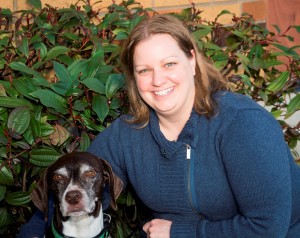
 

Megan Brashear

Megan Brashear CVT VTS(ECC)

A dedicated student stream also features alongside the massively popular science cafe and research presentations. This time the student stream has been designed specifically by students for students with help from the British Association for Veterinary Nursing Students (BAVNS).

BVNA is also proud to champion and support the equine veterinary nurses and strive to provide dedicated and affordable CPD with another day dedicated to all things equine organised by Bonny Millar.

Finally the three day conference would not be complete without a review of the profession with VN futures and hot topics such as the NPL, reflective practice and evidence based veterinary nursing.

Full programme details can be found at www.bvnacongress.co.uk
Popular course for overseas graduates to now include veterinary nurses

A popular two-day course aimed at helping veterinary surgeons who have graduated abroad prepare for practice life in the UK will now be expanded to include overseas-qualified veterinary nurses.

The course is organised by the Royal College of Veterinary Surgeons (RCVS), British Veterinary Association (BVA) and Veterinary Defence Society (VDS) and will take place in Leeds, West Yorkshire, on Wednesday 11th and Thursday 12th May.

The course provides overseas graduates who are either working in the UK, or thinking of working in the UK, with the key information and skills needed to practise here, as well as helping them to understand their legal duties as veterinary professionals. Its overall aim is to reduce the risk of concerns being raised and to provide training in communication skills.

For the first time the College will be inviting overseas-qualified veterinary nurses who have registered with the College within the last two years.

The first day of the course is free and covers a number of topics such as what it means to be a veterinary professional in the UK, tips from an overseas vet, the types of support available, developing skills and knowledge, and how to secure a dream job. The second day is a ‘masterclass in communication skills’ provided by the VDS in a popular role-play format with professional actors and costs £160. Veterinary surgeons and veterinary nurses are welcome to attend either or both days.

Those who are interested in attending can book a place here.

New Fitness to Practise Guidance for Student Veterinary Nurses published

The Royal College of Veterinary Surgeons (RCVS) has published a guide for student veterinary nurses and providers of veterinary education regarding fitness to practise issues.

The new guide, entitled Fitness to Practise – A Guide for UK Providers of Veterinary Nursing Education and Student Veterinary Nurses, was produced by a Working Party, and is an equivalent of a previously published guide for student veterinary surgeons. It is split into two parts: the first part provides guidance for training providers on recognising and addressing fitness to practise concerns. The second part sets out the broad principles of fitness to practise that student veterinary nurses should follow, and that training providers should expect and uphold.

Kathy Kissick, Vice Chair of Veterinary Nurses Council and Chair of the Working Party that produced the guide, says: ‘I am delighted with the completion of the student veterinary nurse fitness to practise guide. This guide will enable student veterinary nurses and educators to have clear guidelines and procedures to enable professional standards to be established and maintained throughout training, regardless of the training route being undertaken.

‘The guide was produced with the input of veterinary nurse educational institutions and will help all training providers to prepare their veterinary nursing students for the rigours of professional registration and regulation.

Download the Guide

RCVS produces new guidance on compulsory microchipping of dogs

The Royal College of Veterinary Surgeons (RCVS) has produced new guidance for both veterinary surgeons and veterinary nurses on the compulsory microchipping regulations for dogs, which will come into force in England, Scotland and Wales next month.

The three nations have published separate sets of regulations, but they all oblige keepers of dogs to microchip animals over the age of eight weeks, if they have not done so already.

Each set of regulations includes a ‘health’ exemption from the general obligation to microchip, stipulations as to who can implant microchips into dogs, an obligation to report adverse reactions to microchipping and details of various offences in relation to the regulations.

Ahead of the regulations coming into force, the College has updated the chapter of supporting guidance to its Code of Professional Conduct for both veterinary surgeons and veterinary nurses to provide further advice to members of the professions on the regulations. The updated guidance is available to view on the RCVS website.

Any veterinary surgeons or veterinary nurses in need of further advice about the supporting guidance can contact the RCVS Standards and Advice Team on 020 7202 0789 or profcon@rcvs.org.uk

Laura McClintock, RCVS Standards and Advisory Manager, said: ‘We recommend that veterinary surgeons and veterinary nurses familiarise themselves with the regulations applicable in their part of the UK as, despite broad similarities, there are some very slight differences to be mindful of. For example, each set of regulations has slightly different stipulations as to what details should be recorded on a database and the health exemptions are worded slightly differently.

‘We would also like to take this opportunity to reiterate the advice issued by our Standards Committee last year that, after 6th April 2016, a veterinary surgeon or veterinary nurse who discovers that a dog has not been microchipped will not be obliged to report this to the authorities. However, they may wish to advise the dog owner of the new regulations and encourage them to comply.’

Voting now open for 2016 RCVS and VN Council election

Veterinary surgeons and veterinary nurses may now cast votes for their preferred candidates in this year’s Royal College of Veterinary Surgeons (RCVS) Council election and Veterinary Nurses (VN) Council election.

Ballot papers with candidate details, biographies and manifestos have been posted to all veterinary surgeons and veterinary nurses last week.

Eight candidates are standing in the RCVS Council election this year, with the six who receive the most votes joining Council at RCVS Day on Friday 15th July 2016 for a four-year term. Six candidates are standing in the VN Council election this year and the two successful candidates will also take up their four-year term at RCVS Day.

All votes must be cast, either online or by post by 5pm on Friday 29th April 2016. Online votes for RCVS Council candidates can be made here, while online votes for VN Council can be made here.

Each candidate in both elections has produced a short video in which they answer two questions which they have selected from those submitted to the RCVS in advance by members of the profession.

RCVS Council candidates videos
VN Council candidates videos

Any veterinary surgeon who has not received a ballot paper should contact Ian Holloway on i.holloway@rcvs.org.uk. Any veterinary nurses missing a ballot paper should contact Annette Amato on a.amato@rcvs.org.uk.

RCVS Logo

RCVS petition on protecting the VN title closes with over 36,000 signatures

The petition was launched in August 2015 with the aim of getting the government legally to protect ‘veterinary nurse’ so that only professionals who have the relevant education and training and who are appropriately registered with the RCVS can refer to themselves as such, and to criminalise improper use of the term.

The petition closed on Sunday 14th February 2016 with 36,862 people from across the UK signing it.

In January, the Department for Environment, Food and Rural Affairs (DEFRA) responded to the petition saying that, while it recognised the important role that veterinary nurses have in animal care, it did not recommend that Parliament give the title legal protection. However, DEFRA has agreed to work with the RCVS to review Schedule 3, which outlines which veterinary procedures can be delegated to registered veterinary nurses, and find new ways of bolstering the veterinary nursing profession.

Liz Cox, Chair of the RCVS Veterinary Nurses Council said: ‘While we were disappointed with DEFRA’s response, we will continue to argue that the veterinary nurse title should be a legally protected one, like that of a veterinary surgeon.

‘While the RCVS and membership organisations campaign at a national level, it is important that both VNs and veterinary surgeons continue to promote and explain veterinary nursing to clients. Good veterinary nursing can make a huge difference to the outcome and experience for both the animal and the client, we do a great job and we need to tell the public.’

Do pet owners know what veterinary nurses do?

According to nine in ten vets polled by the British Veterinary Association (BVA), more than half of animal owners do not understand what registered veterinary nurses (RVNs) do.

BVA’s ‘Voice of the Veterinary Profession’ survey revealed the vital role RVN’s play in practice life, with vets rating the top two most important functions as monitoring animal-patients during anaesthesia (80%) and the medical nursing of in-patients (69%).

RVNs undergo years of training, and must complete at least 15 hours continuing professional development each year, as well as being registered with the Royal College of Veterinary Surgeons (RCVS).

However, the RVN title is not protected in law and currently anyone can refer to themselves as a veterinary nurse. The BVA and RCVS are urging animal owners who benefit from veterinary care, to sign the online petition to protect the vet nurse title. The petition expires on Sunday 14th February.

Do pet owners know what veterinary nurses do?

According to nine in ten vets polled by the British Veterinary Association (BVA), more than half of animal owners do not understand what registered veterinary nurses (RVNs) do.

BVA’s ‘Voice of the Veterinary Profession’ survey revealed the vital role RVN’s play in practice life, with vets rating the top two most important functions as monitoring animal-patients during anaesthesia (80%) and the medical nursing of in-patients (69%).

RVNs undergo years of training, and must complete at least 15 hours continuing professional development each year, as well as being registered with the Royal College of Veterinary Surgeons (RCVS).

However, the RVN title is not protected in law and currently anyone can refer to themselves as a veterinary nurse. The BVA and RCVS are urging animal owners who benefit from veterinary care, to sign the online petition to protect the vet nurse title. The petition expires on Sunday 14th February.

RCVS and VN Council elections 2016: Quiz the Candidates

The Royal College of Veterinary Surgeons (RCVS) has announced the candidates standing in the RCVS Council and Veterinary Nurses (VN) Council elections this year, and is, once again, inviting veterinary surgeons and veterinary nurses to put their questions to them directly in this year’s ‘Quiz the candidates’

There are eight candidates contesting six places in the RCVS Council, including four existing council members eligible for re-election and four new candidates.

  • Mr Christopher Barker MRCVS
  • Ms Amanda Boag MRCVS
  • Dr Melissa Donald MRCVS
  • Miss Lucie Goodwin MRCVS
  • Mr Thomas Lonsdale MRCVS
  • Professor Stephen May FRCVS
  • Dr Cheryl Scudamore FRCVS
  • Dr Christopher (Kit) Sturgess MRCVS

Six veterinary nurses are contesting two places in this year’s VN Councils elections, all of whom are new candidates.

  • Mrs Stacey Bullock RVN
  • Miss Racheal Marshall RVN
  • Mrs Wendy Nevins RVN
  • Mr Matthew Rendle RVN
  • Mrs Samantha Thompson RVN
  • Miss Helen Tottey RVN

All votes must be cast, either online or by post by 5pm on Friday 29th April 2016.

The College is inviting members of both professions to ‘Quiz the candidates’ by putting their questions directly to all those standing for election. Each candidate will then be invited to choose two questions to answer from those received, and produce a video recording of their answers. All recordings will be published on the RCVS website on Thursday 17th March.

‘Last year, all election candidates produced videos for the first time and, with over 3,500 views in total, it seemed a popular way for voters to find out more about the individuals who were standing’ says RCVS Chief Executive Nick Stace.

Vets and nurses should email their question (only one per person) to vetvote16@rcvs.org.uk or VNvote16@rcvs.org.uk post it on the College’s Facebook page or on twitter using the hashtags #vetvote16 or #VNvote16 by midday on Monday 29th February.

Almost 700 veterinary nurses removed from the RCVS Register

692 veterinary nurses had their names removed from the Register at the beginning of January as a result of not renewing their registration with the Royal College of Veterinary Surgeons (RCVS), although 205 subsequently applied to have their name restored to the Register. A list of those who have been removed from the Register can be found on the RCVS website.

Nicola South, Customer Experience Manager and Head of Registrations at the RCVS, said: ‘Veterinary nurses must renew their registration by the end of every year because if their name is removed from the Register, they will no longer be able to perform acts of minor surgery or medical treatment as defined under Schedule 3 of the Veterinary Surgeons Act. Furthermore, the restoration fee is £51, this is in addition to the annual renewal fee of £61 for veterinary nurses, so it represents a significant extra cost.’

Those who have been removed from the Register of Veterinary Nurses and who wish to apply to be restored can do so by contacting the RCVS Registrations Department on 020 7202 0707 or registration@rcvs.org.uk