Author Archives: Alison German

House of Commons Reception Celebrates 25 years of The College of Animal Welfare

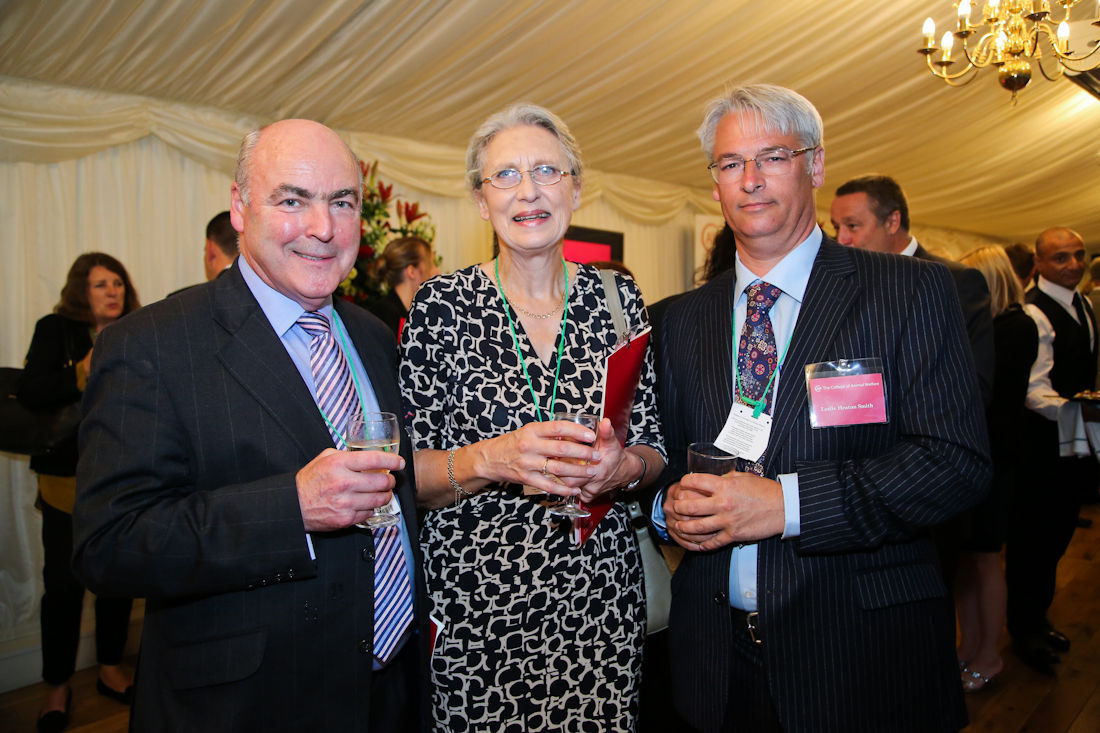
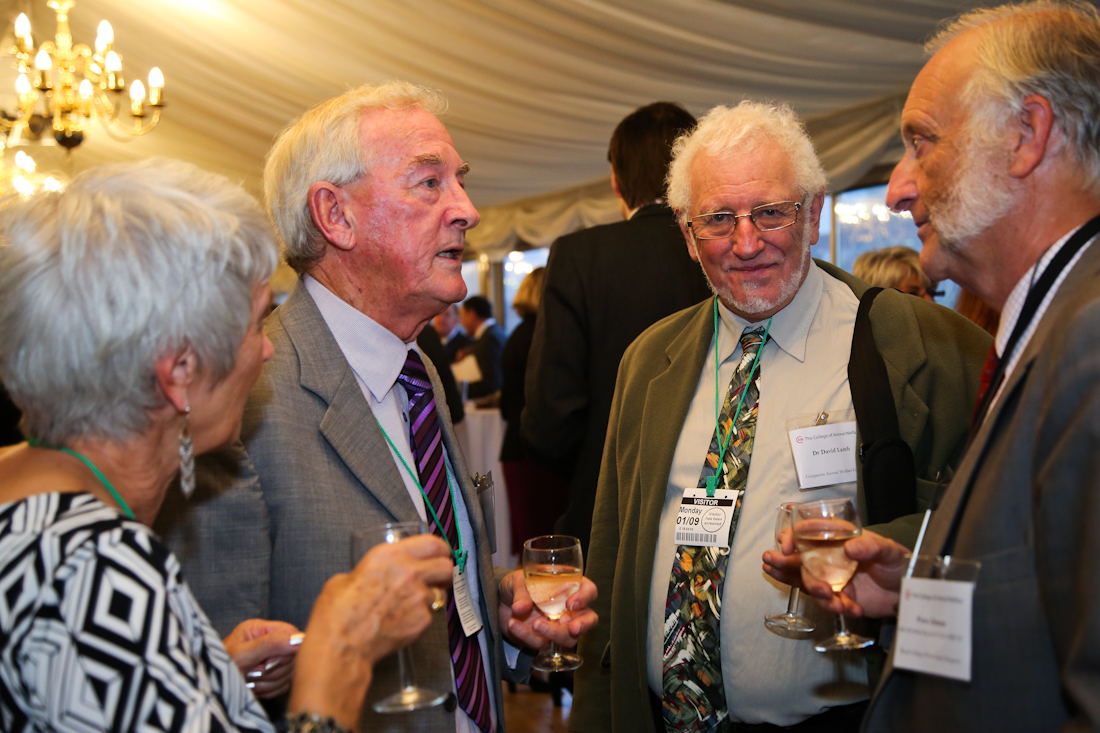
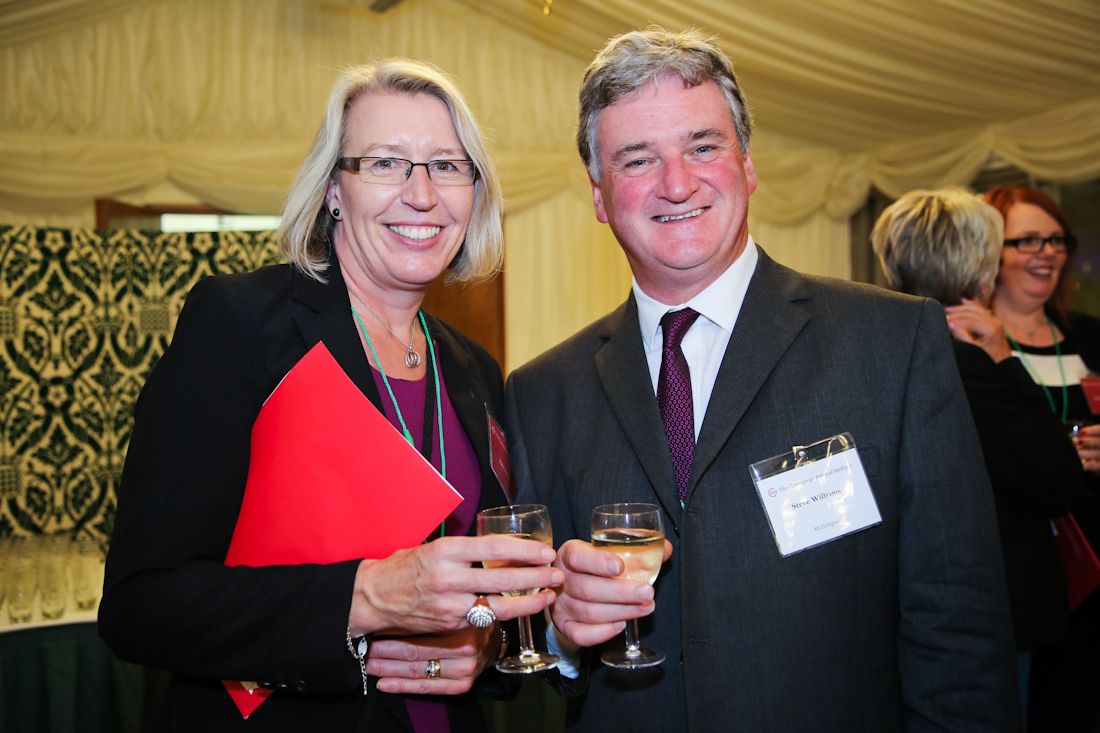
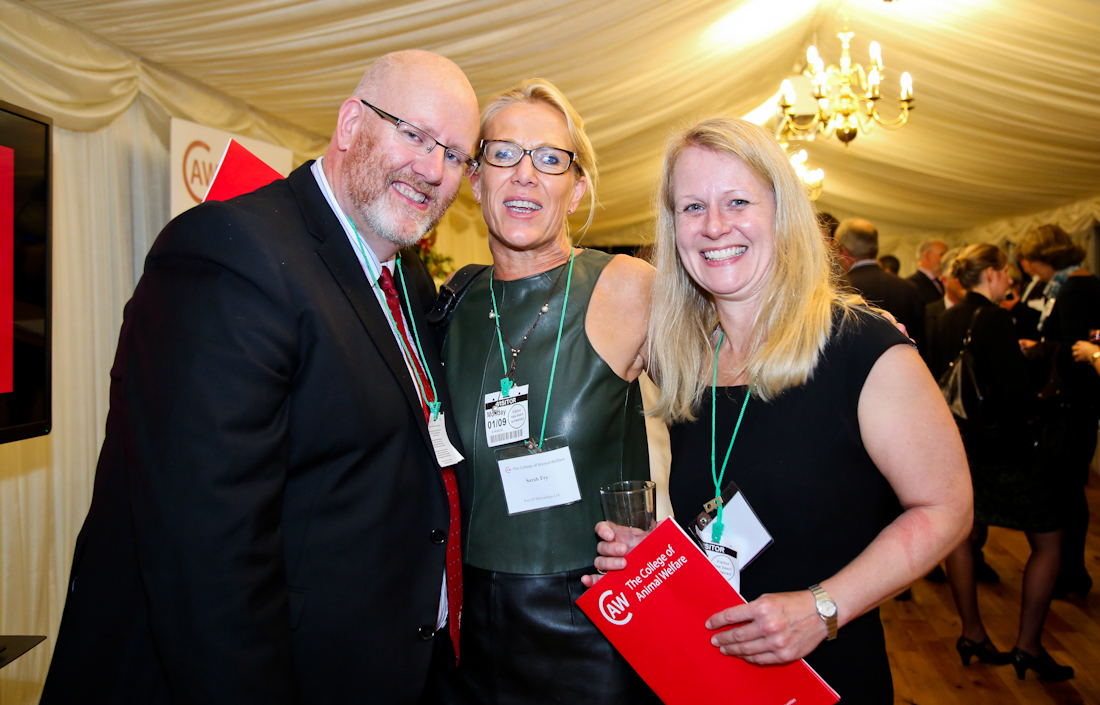
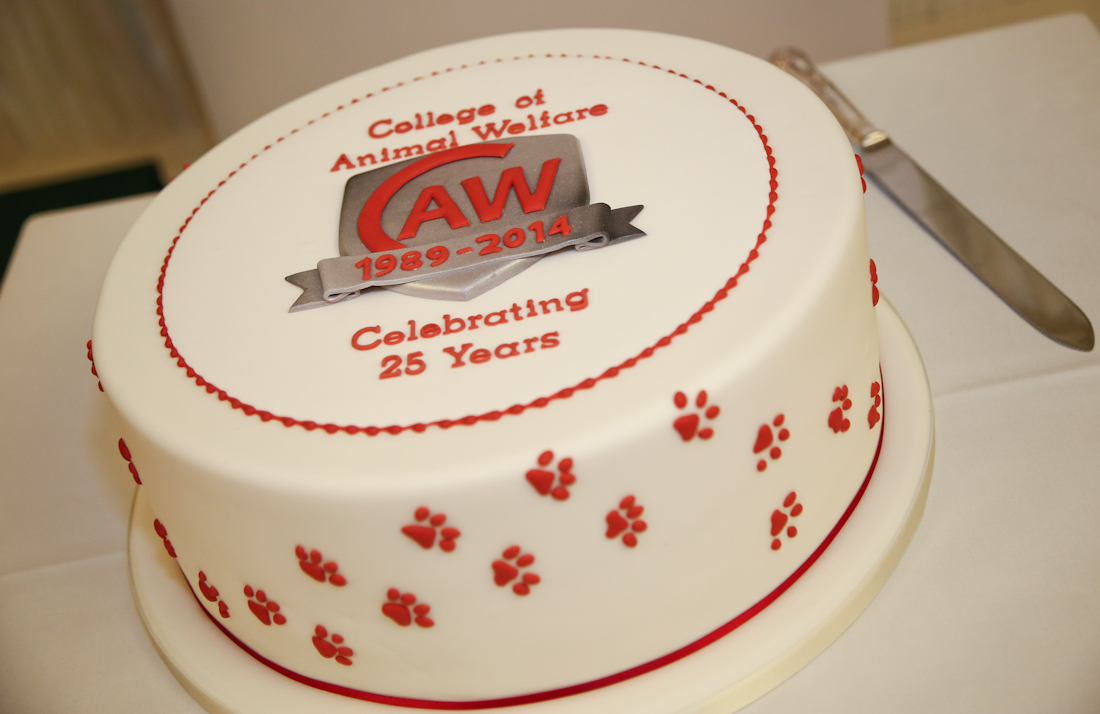
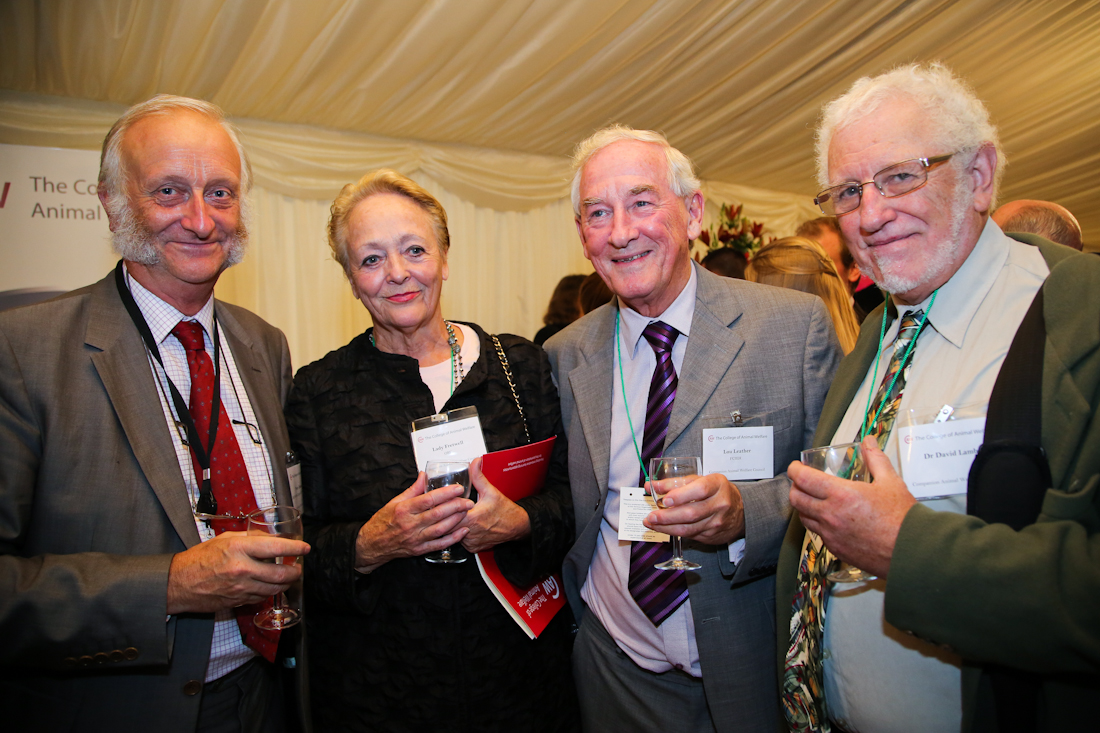
On Monday 1 September  The College of Animal Welfare held an evening reception in the Terrace Pavilion at the House of Commons to celebrate its 25th Anniversary.

With over 140 guests, the special evening brought together employers, current and former staff, partner organisations and friends of the College to celebrate achievements since its inception in 1989.

The evening began with a welcome speech by host, Jonathan Djanogly, Member of Parliament for Huntingdon. Mr Djanogly thanked those who had supported the College throughout the years and wished the College the best of luck for the future as it continues to grow from strength to strength.

An overview of the College history was then provided by Barbara Cooper, Principal of The College of Animal Welfare (and founding manager). Barbara began by welcoming guests including staff from veterinary practices, former and current colleagues from partner organisations, leading veterinary and animal welfare associations and long-standing suppliers to the Colleges; all of whom had supported the College over the years.

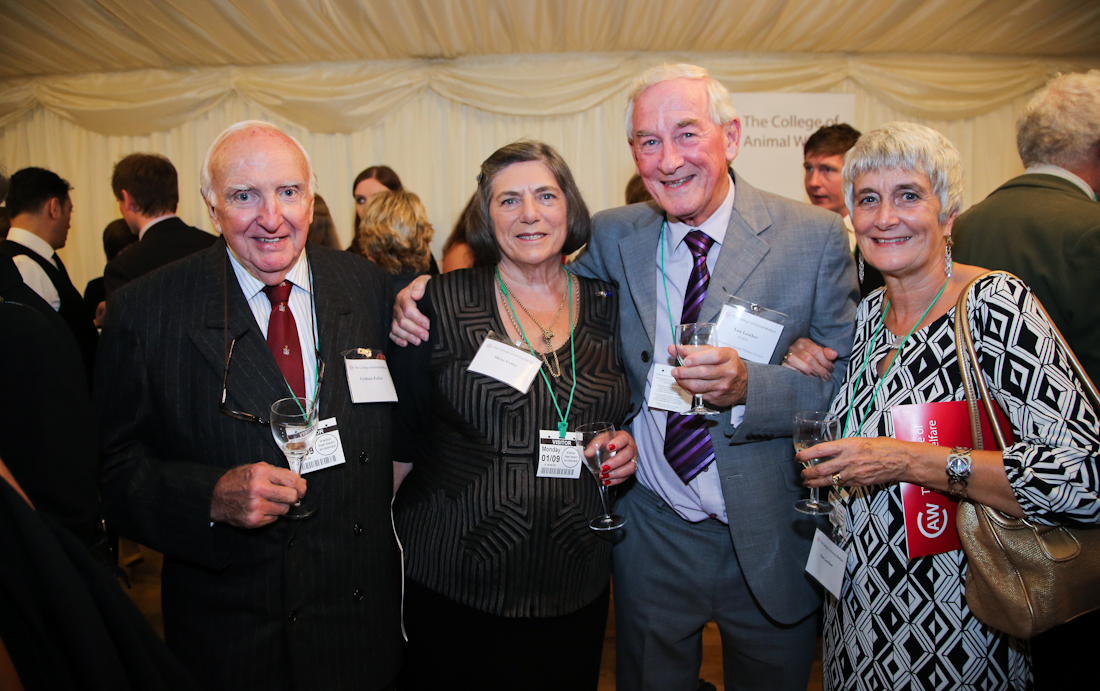
Special thanks was given to Graham and Moya Fuller who were presented with a beautiful lead crystal decanter and a bouquet of flowers. Mr Fuller OBE, former Chief Executive Officer of Wood Green Animal Shelters, was instrumental in setting up the College in 1989 as he believed that education was the key to tackling animal welfare and the problem of unwanted animals. The College is indebted to him for his support in establishing an education centre which was later to become The College of Animal Welfare when the concept was new and unproven.

Barbara then fondly recalled the early days of the College, remembering the first ever course the College ran – an animal warden course. The course was held above a local pub as the College building had not been finished in time. She then went on to tell the amusing story of how a person had been in contact some years later to ask for a copy of his certificate and his recollection of the pub was sufficient proof of his attendance to be sent a duplicate copy!

In 1996, as the need for expansion became apparent, the College separated from Wood Green and became an independent not-for-profit organisation in its own right. Support from partner organisations including the Royal Veterinary College and Huntingdonshire Regional College assisted with the success of the new challenges the College faced. Later on that year the College opened centres in Leeds and Potters Bar, and two years later in Edinburgh.

The College has also achieved a number of significant firsts including the first ever degree in veterinary nursing which is still going strong under a partnership with Middlesex University.  Another first includes running the pilot for the original animal care NVQs and the writing of a number of nationally recognised qualifications in partnership with City and Guilds that many other colleges now also offer across the country.

Over the years, the College has grown, developed and diversified but has never lost its animal welfare roots. It continues to work closely with leading animal welfare organisations like the RSPCA, PDSA and the Blue Cross.  Indeed, new online courses have been created with the RSPCA that are saving considerable sums in training costs, freeing up valuable financial and staff resources that enable them to focus on their main animal welfare work.

Looking forward to the next 25 years, Barbara outlined the College’s plans to expand its international business. The College already has students from over 20 different countries that either come to the UK to study or study online through the College’s distance learning school.  The use of technology will allow the College to deliver online programmes to a global audience thereby bringing full circle the original founding vision for the College to contribute towards the improvement of animal welfare through education and training to a wider audience as possible.
House of Commons Reception Celebrates 25 years of The College of Animal Welfare

On Monday 1 September, The College of Animal Welfare held an evening reception in the Terrace Pavilion at the House of Commons to celebrate its 25th Anniversary.

With over 140 guests, the special evening brought together employers, current and former staff, partner organisations and friends of the College to celebrate achievements since its inception in 1989.

Image 3 Jonathan Djanogly and Barbara Cooper LR

The evening began with a welcome speech by host, Jonathan Djanogly, Member of Parliament for Huntingdon. Mr Djanogly thanked those who had supported the College throughout the years and wished the College the best of luck for the future as it continues to grow from strength to strength.


An overview of the College history was then provided by Barbara Cooper, Principal of The College of Animal Welfare (and founding manager). Barbara began by welcoming guests including staff from veterinary practices, former and current colleagues from partner organisations, leading veterinary and animal welfare associations and long-standing suppliers to the Colleges; all of whom had supported the College over the years.

Image 1 Graham and Moya Fuller LRSpecial thanks was given to Graham and Moya Fuller who were presented with a beautiful lead crystal decanter and a bouquet of flowers. Mr Fuller OBE, former Chief Executive Officer of Wood Green Animal Shelters, was instrumental in setting up the College in 1989 as he believed that education was the key to tackling animal welfare and the problem of unwanted animals. The College is indebted to him for his support in establishing an education centre which was later to become The College of Animal Welfare when the concept was new and unproven.

Barbara then fondly recalled the early days of the College, remembering the first ever course the College ran – an animal warden course. The course was held above a local pub as the College building had not been finished in time. She then went on to tell the amusing story of how a person had been in contact some years later to ask for a copy of his certificate and his recollection of the pub was sufficient proof of his attendance to be sent a duplicate copy!

In 1996, as the need for expansion became apparent, the College separated from Wood Green and became an independent not-for-profit organisation in its own right. Support from partner organisations including the Royal Veterinary College and Huntingdonshire Regional College assisted with the success of the new challenges the College faced. Later on that year the College opened centres in Leeds and Potters Bar, and two years later in Edinburgh.

The College has also achieved a number of significant firsts including the first ever degree in veterinary nursing which is still going strong under a partnership with Middlesex University. Another first includes running the pilot for the original animal care NVQs and the writing of a number of nationally recognised qualifications in partnership with City and Guilds that many other colleges now also offer across the country.

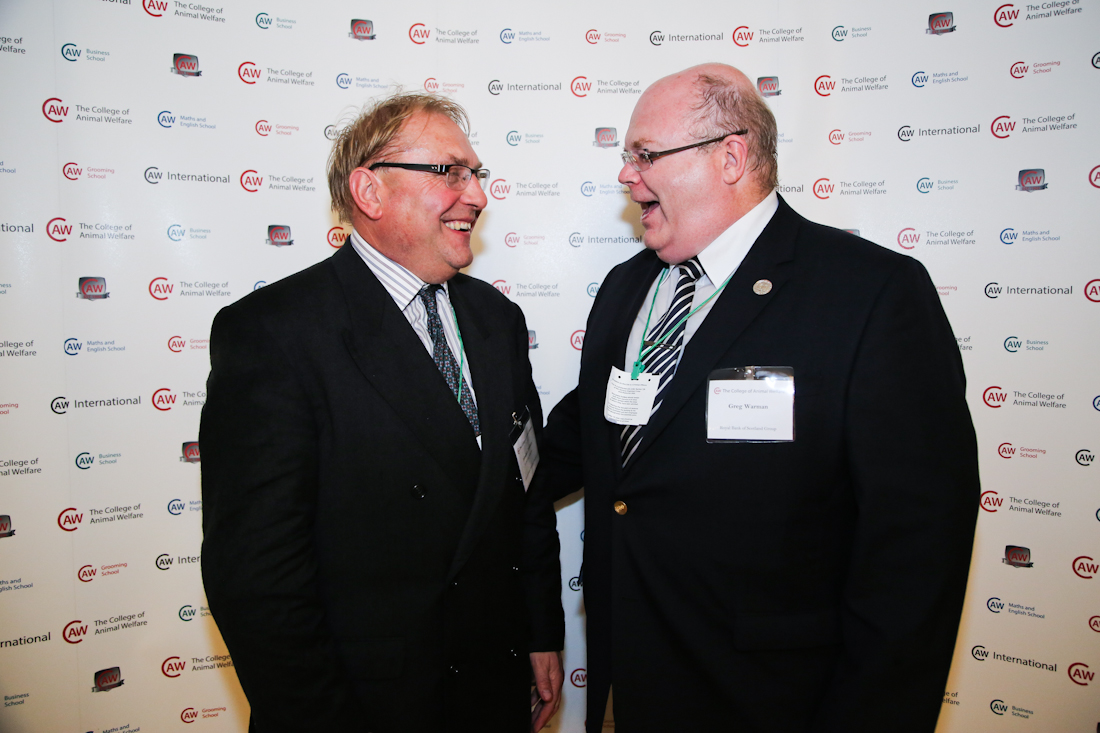
Image 4 Simon Johnston and Barbara Cooper LROver the years, the College has grown, developed and diversified but has never lost its animal welfare roots. It continues to work closely with leading animal welfare organisations like the RSPCA, PDSA and the Blue Cross. Indeed, new online courses have been created with the RSPCA that are saving considerable sums in training costs, freeing up valuable financial and staff resources that enable them to focus on their main animal welfare work.

Looking forward to the next 25 years, Barbara outlined the College’s plans to expand its international business. The College already has students from over 20 different countries that either come to the UK to study or study online through the College’s distance learning school. The use of technology will allow the College to deliver online programmes to a global audience thereby bringing full circle the original founding vision for the College to contribute towards the improvement of animal welfare through education and training to a wider audience as possible.
– Ends –

For more information please contact:

Alison German VN
Marketing Executive
The College of Animal Welfare
Tel: 01480 422060
Email: agerman@caw.ac.uk

Notes to editors:

The College of Animal Welfare is one of the UK’s leading providers of veterinary nurse and animal care training and education; operating from four training centres around the UK.

The College has a well earned reputation for excellence and has created a number of unique achievements that have created new opportunities for learning.

For more information about The College of Animal Welfare please visit www.caw.ac.uk

RCVS Logo

A Snapshot of the Veterinary and Veterinary Nursing Professions

The Royal College of Veterinary Surgeons (RCVS) has published its Surveys of the Veterinary and Veterinary Nursing Professions 2014.

As a snapshot of the current state of the veterinary and veterinary nursing professions, the results provide information on a number of different areas such as demographics; work status; job satisfaction and well-being. Furthermore, the results gauge individual views on the current state of the profession. This information is important for informing future RCVS policy and activities across a wide range of areas.

The four-yearly survey, carried out by the Institute for Employment Studies, was principally available online only this year, although hard copies were supplied on request.

This year’s surveys also included a set of questions about 24-hour emergency cover, which contributed to the recent review of RCVS guidance in this area, and, for the first time, questions from the government-backed Social Mobility Toolkit, which aim to assess the social background of members of the profession.

Some of the key results for veterinary nurses:

  • There was a noticeable decrease in the proportion of veterinary nurses who are employed full-time – from 74.7% in 2010 to 67% this year. Full time work is less common amongst those under 20 (which includes students) and older VNs.
  • Veterinary nurses are generally more positive about the profession this year compared to the 2010 survey. For example, 60% said they would choose to become a VN again if they started their career over, compared to 54% in 2010. However, poor pay and stress were highlighted as issues.
  • There was a significant shift away from employer-funded CPD to free provision. In 2010, 57% of CPD provision was employer-funded (and in 2008 this stood at 84%), while this year, it was 43%. The proportion of free CPD has increased from 29% in 2010 to 41% this year.
  • For student veterinary nurses, the proportion intending to remain employed at their Training Practice after qualification has fallen from 61% in 2010 to 52% this year.

Some of the key results for veterinary surgeons:

  • For the first time, this year more than half (53.8%) of the respondents were women – in line with the long-term trend towards the ‘feminisation’ of the profession.
  • Since the 2010 survey the share of respondents employed in mixed animal practices has declined from 22.1% to 15.8%, while the proportion of respondents employed in small animal/exotic practices has increased from 48.9% to 53.6% in the same period.
  • The proportion of respondents in part-time work is currently at 19%, compared to 16% in 2010 and 14% in 2006. Female veterinary surgeons accounted for 73.2% of those in part-time work.
  • Although over half (52%) of recently qualified veterinary surgeons went straight into practice work, some 17.8% reported they were unable to find employment after graduation – compared to 13.6% in 2010.
  • Although almost 90% of respondents stated that veterinary work is stressful, a similar proportion said that veterinary work gives variety and over 80% said it provides job satisfaction. Other issues highlighted by respondents included the need for better pay and remuneration and the high demands placed on them by clients.

Both the Survey of the Veterinary Profession and the Survey of the Veterinary Nursing Profession, together with a report that brings together common themes, can be downloaded from the RCVS website.

New Badge Set to Identify VCAs in Practice

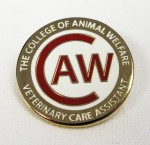
Veterinary Care Assistant BadgeThe College of Animal Welfare is delighted to announce that a new Veterinary Care Assistants (VCA) badge is now available to students who successfully complete its Level 2 Diploma for Veterinary Care Assistants programme.
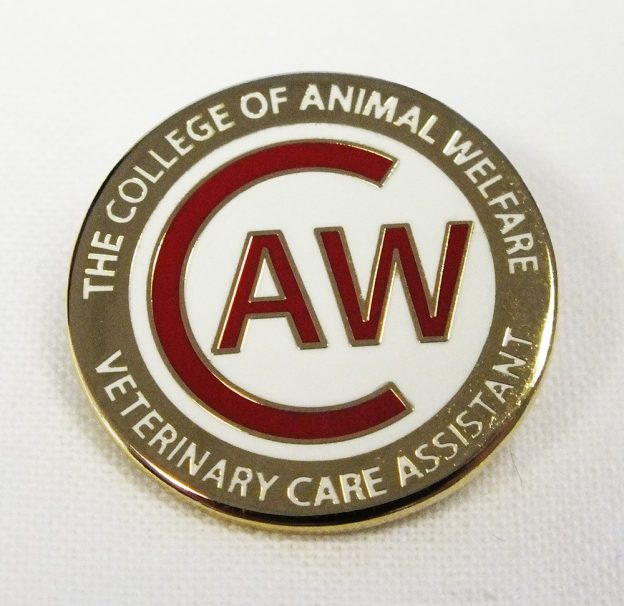
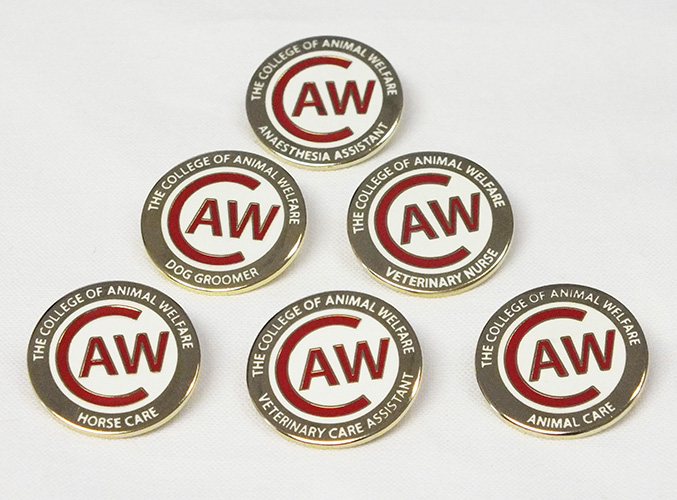
The badge will recognise the achievements and contributions of VCAs in practice and help clients to identify these important members of the veterinary team in their own right.

Lisa Crowe, Head of Distance Learning at The College of Animal Welfare, said “We designed the badge in response to many requests from VCAs to have something which would reflect their contribution and role within the veterinary team”. She continued “We are delighted with the design of the badges and hope they are worn with pride by our VCAs across the UK and overseas”.

The new badges will be sent out to all new VCAs qualifying from The College of Animal Welfare with their certificate. Those who have already achieved the College’s VCA qualification may purchase one from the College’s website for £5 including postage and packaging.

The VCA badge is one of a range of new qualification badges produced by the College. The full range of badges is available at www.caw.ac.uk

– Ends –

For more information please contact:

Alison German VN
Marketing Executive
The College of Animal Welfare
Tel: 01480 422060
Email: agerman@caw.ac.uk

Notes to editors:

The College of Animal Welfare is one of the UK’s leading providers of veterinary nurse and animal care training and education; operating from four training centres around the UK.

The College has a well earned reputation for excellence and has created a number of unique achievements that have created new opportunities for learning.

For more information about The College of Animal Welfare please visit www.caw.ac.uk

Veterinary Care Assistant Badge

CAW Course Badges – New for 2014

We are delighted to announce a new range of course badges that are set to recognise the achievements of The College of Animal Welfare (CAW) students who complete a number of accredited qualifications.

The badges have been designed in response to requests from many of our Veterinary Care Assistant students, who wanted something to reflect their contribution to the veterinary team and make them identifiable to clients in their own right.

The ideas was so well received that we decided to produce a range of badges to recognise the achievements of CAW students across a number of different courses.

A badge will be sent out to all new eligible students with their certificates. CAW students who have already achieved their qualification but would like a badge may purchase one from our online shop for just £5 including postage and packaging.

Group photo of badges small

Hounds for Heroes Founder to Address British Vets

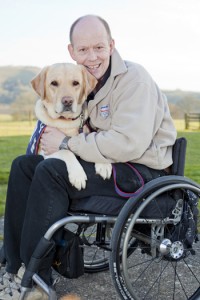
Hounds for Heroes - Allen Parton and EndalAllen Parton, the Gulf War veteran who founded Hounds for Heroes, will be this year’s guest speaker for the British Veterinary Association’s (BVA) annual Members’ Day, which will be held in Manchester on 25 September.
Allen was a Chief Petty Officer serving in the Royal Navy during the Gulf War before a tragic head injury changed his life wiping out his memories and leaving him unable to walk, speak or write. In his keynote address he will celebrate the way animals can transform lives by speaking about his traumatic injuries and the importance of the human/animal bond, illustrated by the unique partnership formed with his assistance dog Endal.

Endal transformed Allen’s life and the partnership between Allen and Endal inspired Allen to set up the charity Hounds for Heroes. Allen says:

“When I founded Hounds for Heroes I made it very clear that from the onset we were never going to be an extension of the MoD or the NHS. We are primarily dog trainers and the dogs’ health and welfare are at the forefront of everything we do.

“With a healthy and happy dog anything is possible, these dogs are life changing and so enabling for their human partners. The dogs give their all unconditionally, so ensuring that in return they receive the very best in veterinary care from their very first day on parade to their retirement is an absolute given.

“The importance of the work vets do in ensuring the health and welfare of our dogs throughout their service is unquestionably pivotal to the success of our mission.”

Allen’s speech is part of a day that celebrates the achievements of the veterinary profession through BVA’s prestigious awards ceremony. BVA awards are given in recognition of the various ways BVA members contribute to the advancement of the profession, and recognise the commitment of students and recent graduates who have undertaken research projects overseas.

BVA President Robin Hargreaves will also deliver his end of year keynote speech covering some of the major issues facing the veterinary profession, and the new BVA Officer Team will be elected at the Association’s annual general meeting.

Further information and a booking form for BVA Members is available at www.bva.co.uk/membersday and the Twitter hashtag for the day will be #celebratingvets

First Students Achieve Leadership and Management Qualification

The College of Animal Welfare is delighted to announce that five students have become the first to achieve the College’s new ILM Level 3 Certificate in Leadership and Management qualification.

Speaking of the success, course tutor, Emma Helkenberg said “I would like to congratulate all of the students who have recently achieved the Level 3 Certificate in Leadership and Management qualification. All have demonstrated considerable hard work and commitment and their success is very well deserved”. She continued “I am confident that the knowledge and experience gained throughout the programme will prove invaluable and am sure that all will make a great contribution to any team they are part of”.

The professionally-recognised qualification aims to provide the skills to confidently lead a team through the spectrum of management challenges; from stress and conflict management through to team communication and the planning and allocation of work. It is run on a blended learning basis; an effective combination of online learning and two study weekends.

Hannah Forrest RVN

Hannah Forrest RVN

Successful student, Hannah Forrest RVN, said “I found the course to be both challenging and enjoyable. The scenarios considered were very realistic, often relating to workplace experiences which I had been personally involved with. For this reason the whole course has been of very real practical use to me in my work.”

Further information on the course can be found here.

– Ends –

For more information please contact:

Alison German VN
Marketing Executive
The College of Animal Welfare
Email: agerman@caw.ac.uk

Notes to editors:

The College of Animal Welfare is one of the UK’s leading providers of veterinary nurse and animal care training and education; operating from four training centres around the UK.

The College has a well-earned reputation for excellence and has created a number of unique achievements that have created new opportunities for learning.

For more information about The College of Animal Welfare please visit www.caw.ac.uk

First Students Achieve Leadership and Management Qualification

The College of Animal Welfare is delighted to announce that five students have become the first to achieve the College’s new ILM Level 3 Certificate in Leadership and Management qualification.

Speaking of the success, course tutor, Emma Helkenberg said “I would like to congratulate all of the students who have recently achieved the Level 3 Certificate in Leadership and Management qualification. All have demonstrated considerable hard work and commitment and their success is very well deserved”. She continued “I am confident that the knowledge and experience gained throughout the programme will prove invaluable and am sure that all will make a great contribution to any team they are part of”.

The professionally-recognised qualification aims to provide the skills to confidently lead a team through the spectrum of management challenges; from stress and conflict management through to team communication and the planning and allocation of work. It is run on a blended learning basis; an effective combination of online learning and two study weekends.

Hannah Forrest RVN

Hannah Forrest RVN

Successful student, Hannah Forrest RVN, said “I found the course to be both challenging and enjoyable. The scenarios considered were very realistic, often relating to workplace experiences which I had been personally involved with. For this reason the whole course has been of very real practical use to me in my work.”

Further information on the course can be found here.

RCVS Logo

RCVS news: Veterinary Nurse staff contact list update

Following some recent changes within the Veterinary Nursing department at the RCVS, you can find the updated list of staff and their contact details here.


RCVS Logo

RCVS news: Declarations and Q & A session at BVNA Congress

The Royal College of Veterinary Surgeons (RCVS) will be holding a short ceremony for those registered veterinary nurses (who qualified before 2012) who have missed out on the opportunity to make their professional declaration, followed by a questions and answers session at the British Veterinary Nursing Association (BVNA) Congress in October (stand (B007).

On Saturday 11 October 2014, Kathy Kissick, Chair of VN Council, will lead a declarations session at 1.15pm in the Coalport Suite.

This will give registered veterinary nurses who qualified before 2012 the opportunity to make their declaration of professional registration, which sets out the rights and responsibilities of registered veterinary nurses.

Kathy says: “Although all veterinary nurses now make their declaration when they register with the RCVS this has only been the case since 2012 – so there are many veterinary nurses out there who haven’t yet had the opportunity. However, whether you’ve been in the profession for two years or two decades, I would strongly encourage you to take part. Not only does the declaration bring home the core responsibilities of VNs to their clients, the public, the RCVS and to the animals in their care, but it also brings a great sense of belonging and demonstrates that, as a profession, veterinary nurses should hold their heads up high.”

Kirstie Shield, BVNA President, adds: “The BVNA is delighted to be invited by the RCVS to host this important ceremony for the first time at our Congress. As RVNs we value our qualification and role within the profession and this prestigious event provides us with an opportunity to show we are responsible and devoted to what we do. I would urge all delegates to attend this session whether you are taking part or merely observing, this ceremony is important to our profession and shows we are united and dedicated in our work”.

Between 1.45pm and 2.45pm Kathy will take part in a questions and answers session with Julie Dugmore, RCVS Head of Veterinary Nursing, Kirstie Shield and Fiona Andrew, BVNA Vice-President.

After a short presentation the floor will be opened to delegates who may ask about any topic – from the new Royal Charter and its impact on veterinary nursing, through changes to the supporting guidance on emergency care to protection of the title veterinary nurse, and any other issue about which they feel strongly.

For more information about what the RCVS will be doing at BVNA Congress please contact Fiona Harcourt, Communications Officer, on f.harcourt@rcvs.org.uk or 020 7202 0773.