10 Things You Need to Know about Veterinary Nursing
Veterinary nursing is a profession that can be misunderstood by those outside the field. Whilst it’s a career filled with rewarding moments, it’s also one that requires dedication, skill, and resilience.
To shed light on what the veterinary nursing profession truly involves, here are ten veterinary nursing facts you should know that debunk some of the common misconceptions about the role and career.
1. It’s not just about playing with animals
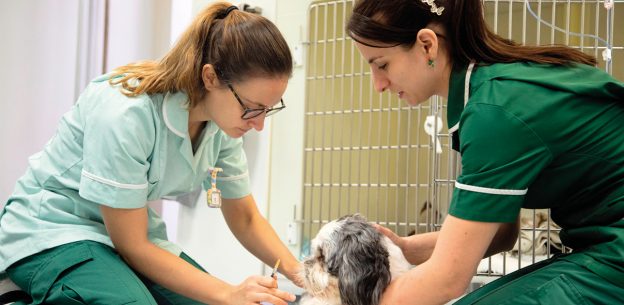
One of the misconceptions about veterinary nursing is that veterinary nurses spend their days cuddling and playing with animals. Whilst there are undoubtedly moments of interaction and care, the reality is that veterinary nursing is a demanding job that involves a wide range of medical and administrative tasks. From assisting in surgeries to monitoring anaesthesia, administering medications, and educating pet owners, the role is far more complex and varied than it might appear. Read a veterinary nurse job description here.
2. Veterinary nurses are highly skilled professionals
Veterinary nurses undergo rigorous veterinary nurse training and education to qualify for their roles. In the UK, this typically involves completing a Level 3 Diploma in Veterinary Nursing or a veterinary nursing degree accredited by the Royal College of Veterinary Surgeons (RCVS). This veterinary nurse training includes both theoretical knowledge and practical experience working with animals in a veterinary practice, ensuring that veterinary nurses are well-equipped to handle a variety of situations.
Some registered veterinary nurses pursue additional qualifications, such as the Level 5 Advanced Diploma in Veterinary Nursing (Practice Nurse), to develop their skills even further. Others may undertake specialist training in areas like emergency and critical care, surgical nursing, or anaesthesia.
3. Veterinary nurses have strong scientific knowledge
Veterinary nursing requires a sound understanding of animal biology, anatomy, and pharmacology. A good foundation in science—particularly biology and chemistry—will help you succeed in the veterinary nursing profession. Veterinary nurses must interpret lab results, understand the effects of various medications, and be able to assess an animal’s health through clinical signs. A solid grasp of these scientific concepts is essential, especially when working with veterinary surgeons to deliver effective care.
4. The job can be emotionally challenging
Veterinary nursing isn’t all about happy endings. The role of a veterinary nurse often involves dealing with sick, injured, or dying animals, which can be emotionally taxing. Veterinary nurses must provide compassionate care in difficult situations and support pet owners through tough decisions. Emotional resilience is essential in the veterinary nursing profession, as is the ability to cope with the inevitable stress that comes with the job. Read more about how to build resilience as a veterinary nurse here.
5. It’s not just about companion animals
While many veterinary nurses work in companion animal practices, the profession is not limited to cats and dogs. Veterinary nurses can also specialise in equine veterinary nursing, farm animals, or even exotic species. The skills and knowledge required can vary significantly depending on the type of animals being cared for, offering a broad range of opportunities within the veterinary nursing field.
6. Veterinary nurses play a crucial role in surgeries
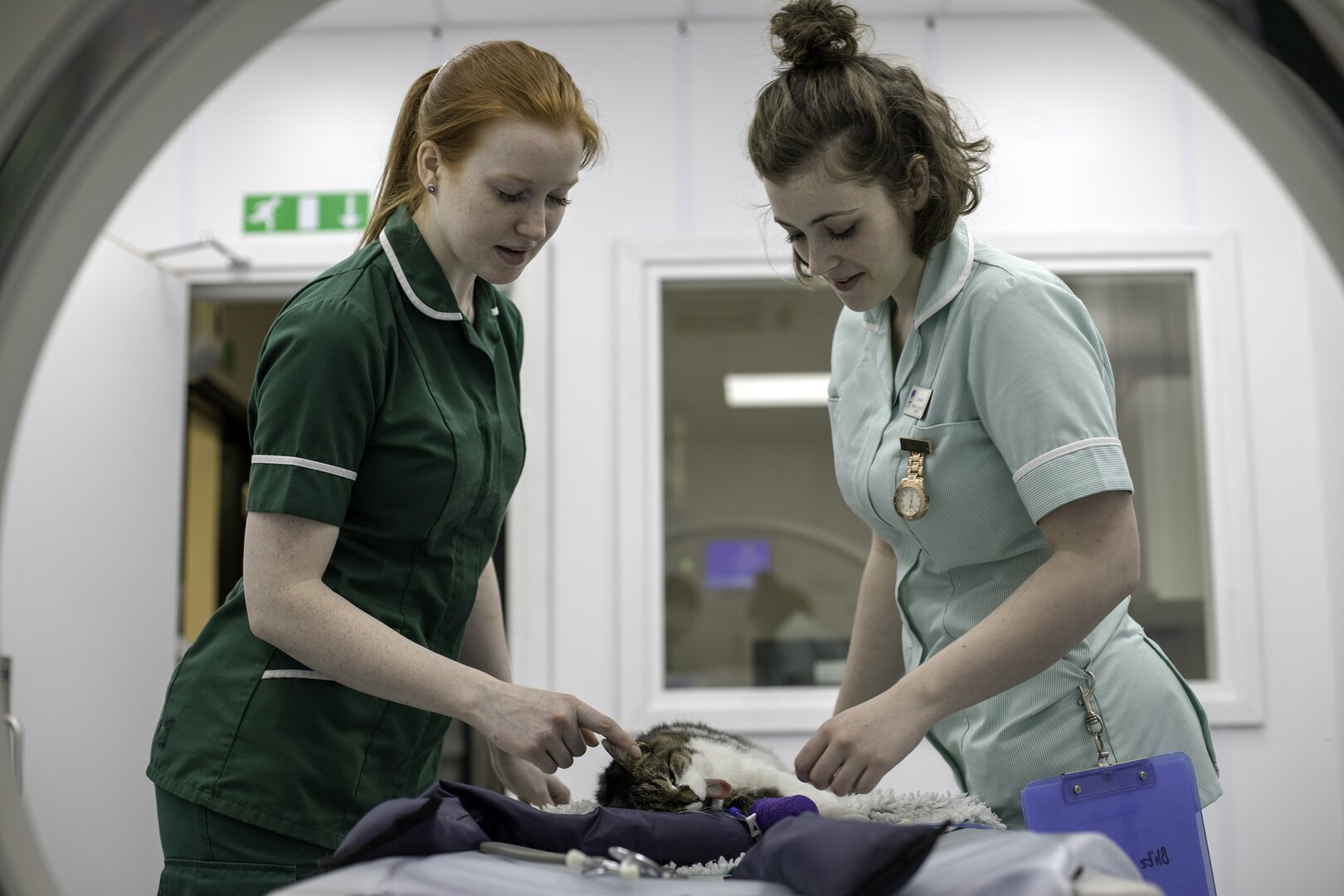
Veterinary nurses are essential members of the surgical team. They prepare animals for surgery, monitor anaesthesia, assist during certain procedures under the direction of the veterinary surgeon, and provide post-operative care. Their role in surgery is not passive; they must be attentive, skilled, and able to respond quickly to any changes in the animal’s condition. This critical responsibility underscores the importance of their veterinary nurse training and expertise. Read a veterinary nurse job description here.
7. Veterinary nursing salary prospects are improving
The veterinary nursing profession offers a solid career path with opportunities for growth and specialisation. Plus, the demand for skilled veterinary nurses in the UK remains high, which bodes well for both job security and salary prospects. Salary prospects have improved significantly in recent years, the median salary package for qualified veterinary nurses is now £30,500 (SPVS Salaries Survey 2022/3). Explore veterinary nurse salary prospects here.
What’s more – career opportunities for veterinary nurses are excellent. Many veterinary nurses work in first opinion veterinary practice. There are options for RVNs to work in specialist practices, emergency vet practices, referral practices or veterinary/university hospitals. Career opportunities also exist in education, research, sales, management, and beyond. Discover career options for veterinary nurses here.
8. Veterinary nurses are not just assistants
A common misconception is that veterinary nurses are simply assistants to veterinary surgeons. In reality, veterinary nurses are independent professionals with their own set of duties and responsibilities. They perform a range of clinical tasks, such as taking blood samples, placing intravenous catheters, and carrying out diagnostic tests, often making critical decisions about patient care.
9. The job requires strong communication skills
Veterinary nurses must communicate effectively with both veterinary surgeons and pet owners. This includes explaining complex medical information in a way that is understandable to non-professionals, providing guidance on post-operative care, and offering emotional support. Good communication is vital to ensure that pet owners are well-informed and feel supported throughout their pet’s treatment. You can explore other veterinary nursing soft skills here.
10. Continuing Professional Development (CPD) is essential
The veterinary nursing profession is constantly evolving, and veterinary nurses must stay up-to-date with the latest advancements and techniques. Continuing Professional Development (CPD) is a requirement for veterinary nurses in the UK, ensuring that they continue to expand their knowledge and skills throughout their careers. This commitment to lifelong learning is crucial for providing the best possible care to animals.
Veterinary nursing is a challenging and rewarding career that requires a deep commitment to animal welfare, strong technical skills, and emotional resilience. It’s not a role that should be entered into lightly. By understanding the realities of the veterinary nursing profession and debunking misconceptions, you can gain a clearer picture of what a veterinary nursing job truly entails. If you’re considering a veterinary nursing career, it’s important to approach it with realistic expectations and a genuine passion for the work.
8 Ways to Foster Respect, Kindness and Understanding
As Anti-Bullying Week 2024 arrives, it’s time to focus on this year’s theme: “Choose Respect.”
Bullying is a pervasive issue that impacts many lives, but it is possible to create change through our daily choices. This week, and always, we encourage you to make a conscious choice—whether in college, at home, or online—to foster respect, kindness, and understanding. By choosing respect, we actively counter the harm caused by bullying and set a positive example for others to follow.
It’s important to think critically about your words and actions and their impact on others. Respect isn’t just about avoiding negative behaviour; it’s about actively promoting kindness, empathy, and acceptance of our differences. But how can we actively cultivate these virtues in our daily lives?
1. Practice active listening
Respect begins with truly listening to others. When we take the time to understand different perspectives, we acknowledge the value of each individual’s experience and opinion. Active listening involves being fully present in conversations, avoiding interruptions, and reflecting on what the other person is saying before responding.
2. Show empathy
Empathy and kindness often go hand in hand. It’s about stepping into someone else’s shoes and experiencing their feelings. Whether someone is going through a tough time or celebrating a success, showing empathy means you respond with genuine care and understanding. Simple gestures like offering a kind word or lending a helping hand can make a huge difference in someone’s day.
3. Celebrate diversity
Understanding and respecting our differences is essential for a peaceful society. Diversity in culture, ideas, and experiences enriches our lives. Instead of fearing or dismissing what we don’t understand, we should embrace it. Celebrating diversity involves learning about others’ backgrounds, traditions, and viewpoints, and recognising the beauty in our differences.
4. Communicate positively
The way we communicate can either build up or tear down relationships. Respectful communication means speaking politely, avoiding harmful language, and being mindful of our tone. It’s also about being clear and constructive, especially when giving feedback or addressing conflicts.
5. Lead by example
Actions speak louder than words. When we demonstrate respect, kindness, and understanding in our behaviour, others are more likely to follow suit. Whether in leadership roles or everyday interactions, modelling these values can inspire others to adopt them.
6. Create inclusive environments
Inclusion is about ensuring that everyone feels valued and respected, regardless of their background or circumstances. This can be fostered by encouraging collaboration, supporting equal opportunities, and challenging discriminatory behaviour.
7. Educate and raise awareness
Education is a powerful tool for fostering these values. By educating ourselves and others about the importance of respect, kindness, and understanding, we can build a more compassionate society. This can be done through discussions, workshops, or participating in campaigns like Anti-Bullying Week.
8. Practice self-reflection
Regular self-reflection helps us stay aligned with these values. Consider how your actions and words impact others. Are you contributing to a respectful and kind environment? Self-reflection allows us to continuously improve and be more mindful in our interactions.
Fostering respect, kindness, and understanding requires conscious effort, but the rewards are immense. By practicing these values daily, we contribute to a more compassionate and connected world. Whether through small acts of kindness, thoughtful communication, or embracing diversity, we all have a role to play. By making a commitment to nurture these values in ourselves and inspire others to do the same, we can create a culture of respect and kindness that helps to combat bullying.
How to Hire the Best Veterinary Nurse for Your Practice
If you struggle to recruit the best veterinary nurses for your veterinary practice, then you’re not alone.
There just aren’t enough qualified staff to go around – for the 6,174* practices that exist across the UK, there are just 19,335* Registered Veterinary Nurses (RVNs). Bearing in mind a significant proportion of RVNs will no longer be in practice, and large veterinary hospitals and practices can employ over 20 nursing staff on their own, the numbers just don’t add up!
Perhaps you find yourself spending a small fortune on recruitment advertising? Maybe you’re spending months finding the perfect veterinary nurse, only to see them wave goodbye within the first few months, leaving you to return to the drawing board?
A shortage of available staff means it’s crucial that you hire the right candidate who matches the practice perfectly, to avoid staff turnover. Whatever the problem may be, never fear!
*Figures provided by the Royal College of Veterinary Surgeons 2021
This is a guide to veterinary nurse recruitment for veterinary practices, including 20+ actionable recruitment tips to help you hire the right veterinary nurse for your practice – and keep them!
Writing a veterinary nurse job description
Writing a job description is one of the most critical phases of the hiring process. It’s the first opportunity to think carefully about what you and the veterinary practice really need before putting pen to paper.
Many businesses fail at the first hurdle by putting forward an unclear message about who they’re looking for. To avoid this, spend some time examining your own strengths and weaknesses, and figuring out where and how someone else will be able to fill in the gaps. Imagine what the person’s day would look like, and how their position will change your workload.
Once you’re clear on what role you’re looking for, make sure to take these recruitment tips on board when writing your veterinary nurse job profile:
Job Title
Use short, targeted job titles that accurately describe the role
Avoid using technical or internal terms that people are less likely to look for and may confuse the job seeker
Job Summary
Open with an attention grabbing overview of your practice and the role, including whether it is full/part time
Tell your job seeker why they should apply for a job at your practice (For example, it could be one or more of the following: Impressive employee benefits, competitive salary, exciting development opportunities, flexible working, friendly team members – or something else!)
If you’re a smaller veterinary organisation or practice, don’t make the mistake of thinking that attracting the top talent is beyond your reach if you cannot compete with the salaries offered by bigger industry players. Often working for a smaller organisation can offer other benefits that candidates may value more than money – for example more opportunities for growth, flexible working hours, or working in a smaller, more tight-knit team.
Include an exact job location and be clear if the role involves travel
Veterinary Nurse responsibilities and duties
Outline the core responsibilities of the position, making sure to emphasise any duties that may be unique to your organisation
List examples of day-to-day activities of the position, so the candidate can determine whether they have relevant experience
Explain how the position fits into the organisation so candidates can see the bigger picture and how their role contributes to the wider business
Qualifications and Skills
Include a short list of hard/soft skill requirements you’re looking for, for example…
Hard skills: Education level, previous job experience, certifications and other technical skills
Soft skills: Good communication skills, ability to problem solve etc
Top tip: If your business has someone who is responsible for marketing, why not let them take a look at your advert before publishing? They may have some ideas about how to make your copy more exciting and appealing!
Advertising a veterinary nurse job vacancy
Now you’ve put together a great job description for your veterinary nurse position, it’s time to find your candidates!
To reach the right people, you’ve got to find out where they are – the places they go, the websites they’re on, which media they ‘inhabit’, and so on. Remember, a good ad in the wrong place is going to be ineffective, and you could find yourself spending lots of time and money on advertising, all to no avail!
Depending on how specialist your veterinary nursing role is, you could look to advertise your job vacancy by:
Posting your vacancy to industry forums, websites, blogs and social media groups
Asking your LinkedIn connections to share your advertisements
Making use of social media paid advertising options to push your job to specific audiences
Asking your industry connections and current team members for referrals, even offering a bonus to encourage recommendations
Purchasing space in your local newspapers (general roles) or industry publications (specialist roles)
Investing in a print advertisement in an industry publication such as VN Times
Investing in a recruitment service, which often has its own pool of potential candidates for different industries and may be able to source suitable candidates faster. Find a recruitment agency near you
Remember to be open to new recruitment tips and strategies where they arise – traditional methods such as newspaper advertising can still be effective for some roles, but they won’t work all the time! What’s more…
Have an engaging website and make it easy to apply!
Provided you place your adverts in front of the right audiences, before you know it you should have plenty of keen candidates looking to apply.
Before applying for your role, they’re likely to look to your website to read more about who you are and consider whether you’re the right practice for them.
Think about how you can brighten up your corner of the internet and the best way to present your practice, for example you could create a careers page or a “meet the team” area.
Also – make your application process as simple as possible!
Don’t fall at the final hurdle by making it impossible for people to enquire and apply for the role.
Shortlisting and interviewing job applicants
Holding an interview is a crucial stage of the hiring process, where preparation and structure are essential.
By having a plan in place that allows an objective standard on which to base your decisions, you’ll overcome interviewing pitfalls and identify the best person for the job.
Take a look at our recruitment tips for the interview process:
Refine the veterinary nurse interview process
An interview is just as much about showing the candidate why your practice is great, than it is about you getting to know your applicants. If you fail to prepare a productive interview structure, this will reflect poorly on your practice. Make sure you plan ahead, know what questions you would like to ask your candidates and what information you would like to gain from the interview.
Choose the right interviewers
Every word spoken by your interviewers is a reflection on your practice– so make sure you have the best and most relevant people in your company leading the process.
Review the candidate’s application
Every application is different, so by taking the time to review them again before the interview, you will show you have taken the time to really engage with your candidate by asking questions that are more specific to their application.
Ask specific, open ended questions
Whilst questions such as “tell me about yourself” are good icebreakers; ask more specific, open ended questions to get a better idea of a person’s strengths and the work environment they thrive in – you could ask about projects they’ve worked on, previous work environments, and what they liked/disliked about each.
Set the right expectations
It’s easy to paint a rose tinted picture of the job by focussing on the best parts during the recruitment process and overlooking the reality and challenges of a role. Any candidate needs to have a clear understanding of what a role entails and the expectations that will be placed on them before they make a decision. There is nothing more disappointing than walking in on your first day to find a job that is completely different to the role you expected. It can see highly skilled talent disappear, fast, and waste time on both ends.
What to ask veterinary nurses at interview
Hiring new staff at your veterinary practice can be challenging. Whilst most veterinary nurses will hold the technical skills and knowledge needed to perform their role, narrowing down your applicants to the candidate who is most suited to your team can be difficult.
To help you find the best veterinary nurse for the job, we’ve put together some advice about what kind of character you might be looking for, and what kind of questions you could ask at interview to help you gage skill and teamwork traits.
Veterinary nurses should have realistic expectations about the role
Veterinary nursing is varied profession, but it’s not always sunshine and rainbows! It isn’t just sitting around cuddling puppies and kittens all day. It’s also restraining animals for shots, supporting pet owners through euthanasia and lots of dirty, physically demanding tasks like cleaning. You need to make sure your candidate has a realistic expectation of what the job will be like. You could ask them:
Why did you decide to become a veterinary nurse
What do you think a typical day on the job would be like
Tell me about the worst mess you’ve ever clean up
Veterinary nurses should be passionate about the role
You want to recruit team members who are passionate about their jobs and eager to learn new skills. You could ask about past patients to get a better understanding of the skill level it required to treat those animals. You could ask:
What do you most enjoy about veterinary nursing
Tell me about one of your favourite cases or procedure that you assisted with
Veterinary nurses should be a team player
Teamwork is essential to a successful veterinary practice, especially among veterinary nurses, as often they will be required to work together to complete certain tasks, for example animal restraint, whilst others perform the treatment. It’s critical to your practice’s success that everyone gets along and are willing to help each other. You should ask questions to find out who the team players are:
Tell me about a time where you helped a co-worker gain a skill or perform a procedure?
Veterinary nurses should be committed to professional development
As a veterinary nurse it is really important to undertake regular continuing professional development (CPD). Not only is it a professional requirement, but hiring staff who are committed to lifelong learning and bettering themselves professionally will ensure your practice continues to provide the best possible care for your patients. What’s more – you can begin to pinpoint where they want their career to go in the future and whether your practice can accommodate this, for example they may wish to take on a clinical coaching role, or work towards becoming a head nurse.
What resources and tools do you use to improve your skills and learn about changes in the industry?
Where do you see yourself in 5 years?
What are your career goals?
Tell me about a particular professional interest you have. i.e surgical nursing, exotic nursing
Veterinary nurses should be willing to work flexibly
Not all veterinary practices offer emergency or out-of-hour services, and whilst your role may not be advertised as one that requires unsociable working hours, it is still reassuring to find someone who you know you can count on to be there in an emergency.
Are you available for night and weekend work?
Are you able to drive / do you have easy access to the practice?
Would you be willing to work an out-of-hours shift?
Veterinary nurses should have good technical knowledge and communication skills
Technical questions can help you get sense of your applicant’s knowledge base and how they would deal with client questions that go beyond simply “yes” or “no”, as well as how they might respond under pressure. You could put together scenarios about any form of nursing, or ask about any procedure that requires multiple steps such as an exam, blood work, IV catheter placement, or recovery from anaesthesia.
Pretend I’m a client. How would you explain a dental procedure and why anaesthesia is necessary?
What would you do if an owner rushed in with a dog that was obviously seriously injured?
Veterinary nurses should approach the end of life process with care and empathy
Veterinary nurses will very likely encounter a situation in which a pet cannot be saved, or euthanasia is the most humane option. In this scenario it is important that they’re able to deliver news in a way that’s empathetic whilst not sugar-coating the facts. They also need to understand that the loss isn’t theirs, and whilst they may be upset, they cannot compare their feelings to those of the family, so they need to be compassionate without breaking down. To gain an understanding of how they might approach the end of life process, you could ask them:
How would you work with a family bringing a pet in for euthanasia?
How would you support a client struggling with pet bereavement in practice?
Choosing the right veterinary nurse to hire
Now you’ve interviewed your veterinary nurses, it’s time for the tough (or not so tough) decision – who gets the job?! More recruitment tips coming up…
Keep an open mind and look beyond the CV
Choosing the right veterinary nurse is more than a simple tick boxing exercise. It’s about taking a closer look at who your candidates are, what they value and how they approach work. This doesn’t mean lower your standards, but it does mean looking for potential and thinking outside the box. Ultimately – there are pros and cons to all new hires so you need to know what is most important to you. For example…
A person who fits in well with your organisation’s values and goals is probably much more likely to successfully embed into the team, than someone with all the right skills but little understanding of who you are as a practice.
Sometimes a candidate with less experience but who is enthusiastic and willing to learn on-the-job might be a better choice than the expert who you can’t rely on.
Maybe you’re sitting in front of the perfect veterinary nurse for your full time position, but they’re only looking for part time work. Are you willing to be flexible for the right person?
Reject wisely
News travels fast. It’s perfectly fine to reject candidates, but be courteous and appreciate the time they’ve invested by politely letting them know the position has been filled.
And remember… don’t rush!
Many industries are suffering from skills shortages. It can be a challenge to attract the talent you need. But that should never mean you choose the best out of a bad bunch. It will only cause a bigger headache down the line. Don’t be afraid to start over if you haven’t found the right person.
Welcoming and retaining a new veterinary nurse
So you’ve found an amazing veterinary nurse. Someone who is set to be a great asset to your practice, with valuable skills and experience. And they have accepted your offer! Give yourself a pat on the back, but don’t turn your back and walk away now you’ve come this far. You need to take steps to ensure you retain your veterinary nurse in the long term.
Have a good onboarding process for veterinary nurses
To retain veterinary nurses in the long term you need to develop a clear welcome plan to help new starters feel like part of the team. You shouldn’t expect a new hire to jump right in with no support or guidance, as it may leave them feeling isolated and prone to looking elsewhere.
Ask for feedback
Sometimes losing good talent is inevitable. We are all human and life takes unexpected turns which take us away from our jobs, but if you begin to see a pattern of new hires leaving soon after joining your organisation, you need to be able to have honest and open exit interviews. This way, you can establish whether other factors are at play and what you can do better in the future.
Still can’t find the perfect employee? Grow your own!
If you’re looking to expand your veterinary nursing team in an affordable way, have you considered taking on a student veterinary nurse?
There are student veterinary nurses looking for apprenticeship vacancies and unpaid work placements in practices across the UK. By supporting an SVN, you can gain an extra pair of hands at your practice whilst saving money on recruitment fees! Explore the recruitment options you could consider…
Recruit an apprentice with our Veterinary Nursing Apprenticeship Standard
Veterinary nursing apprenticeships have been around for some time and can help veterinary employers to expand and grow their team in a cost effective and practical way.
Delivered in the right way, they can create skilled, committed, and loyal veterinary nurses, who want to progress within your veterinary practice. What’s more – 95% of the training fees are covered by the government for small employers with digital accounts. If you choose CAW as your training provider, we can also help you recruit free of charge.
Offer an unpaid placement to a student with our Practice Placement Scheme
We currently have diploma and degree level student veterinary nurses looking for unpaid work placements in veterinary practices across the UK.
There are no wages to pay, no course fees to pay and everything to gain; including the possibility of a fully qualified member of staff at the end of it all! And what’s more…
All work placements are unpaid!
You interview the student beforehand!
There’s no need for extra insurance!
Gain a keen and motivated student who can free up other staff members for more complex activities
Upon qualification you could even find that your student becomes your next loyal qualified RVN!
We offer practices who work with us free clinical supervisor training, an allocated IQA to support your practice and we can guide you through the TP approval process if applicable.
In order to train veterinary nurses, veterinary practices have to be approved as either a Training and Assessment Practice (TP) or an Auxiliary Training Practice (aTP) by an Approved Centre (Primary Centre).
Becoming a Training Practice offers veterinary practices the chance to grow and strengthen their team in a cost-effective, sustainable way. From developing your own talent through to enhancing team dynamics and improving patient care, the benefits are clear. Plus, contributing to the profession’s future by supporting student training is a rewarding way to give back while securing your practice’s long-term success. Here are five key advantages:
1. Develop your own veterinary nurses
By hiring an student veterinary nurse or offering placements to student veterinary nurses (SVNs), you can nurture and train staff from the ground up. This allows you to mould them into skilled professionals who understand your practice’s specific needs and culture. Apprentices and SVNs contribute hands-on assistance while learning, providing immediate support while building a foundation for future staff development. Over time, they become fully trained veterinary nurses who are already familiar with your team and protocols, reducing recruitment challenges.
2. Cost-effective recruitment options
Training apprentices and offering unpaid work placements to SVNs can reduce the need for expensive recruitment efforts. Apprentice veterinary nurses offer an affordable staffing solution while they work towards their qualification, and SVNs who complete unpaid placements offer additional hands-on support to your team during their training. In both cases, this is a low-risk way to assess the potential of future team members, ensuring that when you’re ready to hire qualified staff, they’re already well-integrated into your practice.
3. Enhanced team dynamics
As a Training Practice, you are actively involved in the training and development of new nurses, which can improve teamwork and collaboration within your practice. Senior staff can take on mentoring roles, fostering leadership skills and encouraging a positive learning environment. This dynamic enhances team morale as staff work together to support and guide SVNs, creating a cohesive and skilled workforce.
4. Improved patient care
By training SVNs, your practice benefits from having additional hands to assist with patient care. Students can help with basic nursing tasks under supervision, allowing your more experienced staff to focus on more complex procedures. Over time, as these students progress in their training, they can take on more responsibilities, directly contributing to high-quality care and improving overall practice efficiency.
5. Contribution to the profession
Becoming a TP demonstrates your commitment to the veterinary profession by helping to train the next generation of veterinary nurses. Not only do you provide valuable opportunities for students to gain practical experience, but you also play a part in shaping the future of the profession. By investing in training, you contribute to maintaining a strong, skilled workforce for the industry, which benefits both your practice and the wider veterinary community.
Looking to expand your veterinary nursing team? Grow your own veterinary nurse with The College of Animal Welfare
If you’re looking to expand your veterinary nursing team, have you considered taking on a student veterinary nurse? By doing so, you could gain an extra pair of hands whilst saving money on recruitment costs!
You can support an SVN by offering an apprenticeship vacancy or unpaid work placement in your practice, and meet your recruitment needs at the same time. Join over 500 practices who have chosen to become a CAW training practice and receive:
Keen and motivated placement students
FREE training and standardisation events for clinical supervisors
Ongoing support from a dedicated IQA
Discounts on all CAW virtual VN events
FREE recruitment help if you wish to hire an apprentice
Guidance through the TP approval process
If you would like to have an informal, non-obligatory chat, to talk through your options and any concerns/queries, please call our team on 01480 422060 or leave your details here and our team will be in touch.
Why offer work placements to Student Veterinary Nurses?
Recruiting qualified veterinary nurses is an ongoing challenge, with the demand far outstripping supply in many practices. Offering work placements to student veterinary nurses provides a practical and cost-effective solution to this issue. Here’s why it’s beneficial:
Nurture a future veterinary nurse with long-term potential
Supporting a student veterinary nurse gives your practice the opportunity to nurture and train someone who could later join your team full-time. It ensures they are well-versed in your protocols, culture, and values, making the transition smoother once they qualify. This also reduces future recruitment challenges, as the student becomes a qualified, familiar face who already understands the requirements of your practice.
You can host students for a one-off placement, or retain a student for the duration of their programme if you wish, giving you plenty of time to assess their development and contribution to the practice, at which point you could consider offering them paid employment. Not only this, you can interview the student beforehand if you wish to ensure they are a good fit with your team and practice.
Gain immediate staffing support
Whilst students are still in training, they can take on essential but non-specialised tasks within the practice. This helps alleviate workload pressures on your current team, freeing up qualified veterinary nurses and veterinary surgeons for more complex procedures. Although they are unpaid, student nurses often become a valuable asset to the practice, contributing to daily operations.
Low-cost recruitment option
With no wages or course fees to pay, and no additional insurance required – taking on a placement student is a low-cost way to gain an extra pair of hands in practice and support the next generation of veterinary professionals.
Extensive employer support from CAW
We offer practices who work with us free clinical supervisor training, an allocated IQA to support your practice and we can guide you through the TP approval process if applicable.
Offering placements contributes to the wider veterinary community by helping to train the next generation of nurses. It supports the industry’s growth and ensures a steady flow of well-prepared professionals into the workforce. For practices committed to the long-term success of veterinary nursing, this is a vital step.
Grow your own veterinary nurse with our Practice Placement Scheme
We currently have diploma and degree level student veterinary nurses looking for unpaid work placements in veterinary practices across the UK. If you would like to have an informal, non-obligatory chat, to talk through your options and any concerns/queries, please call our team on 01480 422060 or leave your details below and we will call you. You can find out more about our Practice Placement Scheme here.
10 Ways to Grow, Build and Refine Your Veterinary Nursing Team
Building a strong veterinary nursing team is essential for the long-term success of your practice. It involves not only recruiting skilled staff but also investing in their development and creating a supportive working environment. Here are ten practical strategies to help grow, build, and refine your veterinary nursing team.
1. Hire an apprentice veterinary nurse
Hiring a veterinary nursing apprentice can provide a cost-effective way to build your team whilst training future staff. Apprentices work and study at the same time, giving them the opportunity to learn on the job and gain practical experience within your practice. This approach allows you to mould the apprentice into a fully integrated team member who understands your protocols and the specific needs of your patients.
Over time, they will become a valuable asset to your practice, with the advantage that you have been directly involved in their training from the start, ensuring they are aligned with your standards.
2. Offer work placements to student veterinary nurses (SVNs)
Another way to support the growth of your nursing team is by offering unpaid work placements to student veterinary nurses (SVNs). These students, during their training, can take on certain responsibilities under supervision, such as assisting with patient care and monitoring animals.
Offering placements not only provides immediate support for your team but also creates a potential recruitment pipeline. Many practices find that SVNs remain with them after qualifying, ensuring a seamless transition from student to fully-fledged veterinary nurse. This is a low-risk way to assess potential future team members while easing the workload in your practice.
3. Provide Continuous Professional Development (CPD)
Investing in the ongoing professional development of your veterinary nursing team is essential for maintaining high standards of care. By offering CPD opportunities, you ensure that your nurses stay up-to-date with the latest clinical practices, technologies, and regulatory changes. This investment in education not only enhances patient care but also shows your team that you are committed to their growth and development. In turn, this can lead to higher levels of job satisfaction, improved retention rates, and a more knowledgeable, skilled nursing team that can handle a wide range of clinical situations with confidence.
Establishing clear career progression opportunities within your practice can be a strong motivator for veterinary nurses to stay and grow with your team. Whether it’s through additional training, specialisation in a specific area of veterinary nursing, or moving into leadership roles, having defined career pathways gives your team a sense of purpose and direction. By regularly discussing individual career goals and offering support in achieving them, you demonstrate a commitment to their long-term development, which can boost morale and reduce turnover. This proactive approach helps build a more skilled and dedicated team.
The work environment plays a significant role in team retention and performance. By fostering a positive and supportive workplace culture, you can help your veterinary nursing team feel valued and motivated. Encouraging open communication, recognising staff achievements, and promoting teamwork can contribute to a more harmonious and productive practice. Mental health support is also crucial, as the demands of veterinary nursing can be emotionally taxing. Ensuring that your team feels supported and listened to can help prevent burnout and improve overall job satisfaction, leading to a more stable and committed workforce.
6. Invest in leadership and management training
Strong leadership is key to maintaining an efficient and cohesive veterinary nursing team. By offering leadership and management training to senior nurses or those with management potential, you can help build a more effective and empowered team. Leadership training can cover areas such as team management, conflict resolution, and decision-making, all of which are crucial in ensuring that your practice runs smoothly. Well-trained leaders can also help mentor and guide less experienced staff, contributing to the overall growth and development of your nursing team and the practice as a whole.
7. Regularly assess and rebalance workloads
Ensuring that workloads are evenly distributed is essential for maintaining morale and preventing burnout in your nursing team. Regularly reviewing and rebalancing workloads can help prevent staff from becoming overwhelmed, particularly during busy periods or when the team is understaffed. Delegating non-clinical tasks to support staff or utilising temporary help during peak times can allow your nurses to focus on their core responsibilities. By proactively managing workloads, you create a more sustainable work environment that supports long-term team performance and wellbeing.
8. Offer flexible work arrangements
Offering flexible working options, such as flexible hours, job sharing, or adjusted shift patterns, can greatly improve job satisfaction and staff retention. Many veterinary nurses have personal or family commitments, and by accommodating these needs, you make your practice a more attractive and supportive place to work. Flexibility can also help reduce stress and fatigue, ensuring that your team remains motivated and engaged. In the long term, providing flexible work arrangements helps to retain skilled staff who might otherwise leave the profession due to incompatible work-life balance.
9. Use locums to cover short-term recruitment gaps
Locum veterinary nurses can provide essential relief during periods of high demand or staff absence. While this may not be a long-term solution, locums can help ensure that patient care continues uninterrupted and prevent your permanent staff from becoming overworked. By using locums strategically, you give your team the support they need during busy periods, allowing them to maintain high levels of patient care without feeling overwhelmed. This can be particularly useful during holiday seasons or when unexpected absences occur, helping your team maintain balance.
10. Conduct regular performance reviews
Regular performance reviews offer a valuable opportunity to provide feedback, set goals, and discuss career progression with your veterinary nursing team. These reviews help ensure that each team member is performing at their best while also identifying any areas for improvement or additional support. Performance reviews should be seen as a two-way conversation, where both the practice and the employee can discuss achievements, challenges, and future aspirations. This not only helps refine individual performance but also strengthens the overall team dynamic by ensuring that everyone is aligned with the practice’s objectives.
Building and refining your veterinary nursing team is a long-term commitment that requires strategic planning and consistent support. By investing in apprenticeships, offering student placements, fostering professional development, and creating a positive work environment, you can grow a skilled and dedicated team that meets the demands of your practice. Additionally, regular performance reviews, flexible working options, and leadership development help ensure that your team remains motivated, well-balanced, and focused on delivering high-quality care. These strategies will not only help your team thrive but also contribute to the long-term success of your practice.
Looking to expand your veterinary nursing team? Grow your own veterinary nurse with The College of Animal Welfare
If you’re looking to expand your veterinary nursing team, have you considered taking on a student veterinary nurse? By doing so, you could gain an extra pair of hands whilst saving money on recruitment costs!
You can support an SVN by offering an apprenticeship vacancy or unpaid work placement in your practice, and meet your recruitment needs at the same time. Join over 500 practices who have chosen to become a CAW training practice and receive:
Keen and motivated placement students
FREE training and standardisation events for clinical supervisors
Ongoing support from a dedicated IQA
Discounts on all CAW virtual VN events
FREE recruitment help if you wish to hire an apprentice
Guidance through the TP approval process where applicable
If you would like to have an informal, non-obligatory chat, to talk through your options and any concerns/queries, please call our team on 01480 422060 or leave your details here and our team will be in touch.
Student Veterinary Nursing Congress returns in January 2025
We’re pleased to announce that Student Veterinary Nursing Congress is back by popular demand, and will be taking place on Thursday 23 January 2025.
Student Veterinary Nursing (SVN) Congress is a free, virtual event specifically for veterinary nursing students. With its comprehensive programme, esteemed speakers, and the convenience of a virtual format, this congress provides an invaluable opportunity to advance your education, network with peers, and gain insights from leading industry professionals. Find out more and register for SVN Congress
5 lectures that support your veterinary nurse training
SVN Congress offers a well-rounded programme packed with informative sessions. From in-depth discussions on anaesthesia monitoring to care techniques for rabbits, the event covers a wide range of topics useful to student veterinary nurses. Highlights also include sessions focused on referral nursing, evidence-based practices, and self care when preparing for OSCEs. You can view the full programme on our website.
Learn from expert speakers
Student Veterinary Nursing Congress 2025 boasts a fantastic lineup of expert speakers, who have all made significant contributions to veterinary nursing. These industry professionals will share their insights and experiences, as well as take part in live Q&A sessions to allow students to gain clarity on topics and receive personalised advice and guidance. You can find out more about our speakers on our website.
Register now to avoid missing out
SVN Congress is free of charge and is open to anyone currently studying Veterinary Nursing on a diploma, degree, or apprenticeship programme, including students currently training with other providers.
This event has limited capacity and tickets are available on a first come first served basis, so we would recommend securing your spot ahead of time.
In order to book onto this event, you will need to request a booking link. If you wish to request a booking link, please email admin@caw.ac.uk using your student email address and tell us the name of your training provider. Once you have received your booking link from us, simply register for free on Eventbrite!
Looking to expand your veterinary nursing team? Grow your own veterinary nurse with The College of Animal Welfare
If you’re looking to expand your veterinary nursing team in an affordable way, have you considered taking on a student veterinary nurse?
There are student veterinary nurses looking for apprenticeship vacancies and unpaid work placements in practices across the UK. By supporting an SVN, you can gain an extra pair of hands at your practice whilst saving money on recruitment fees! Explore the recruitment options you could consider…
Recruit an apprentice with our Veterinary Nursing Apprenticeship Standard
Veterinary nursing apprenticeships have been around for some time and can help veterinary employers to expand and grow their team in a cost effective and practical way.
Delivered in the right way, they can create skilled, committed, and loyal veterinary nurses, who want to progress within your veterinary practice. What’s more – 95% of the training fees are covered by the government for small employers with digital accounts. If you choose CAW as your training provider, we can also help you recruit free of charge.
Offer an unpaid placement to a student with our Practice Placement Scheme
We currently have diploma and degree level student veterinary nurses looking for unpaid work placements in veterinary practices across the UK.
There are no wages to pay, no course fees to pay and everything to gain; including the possibility of a fully qualified member of staff at the end of it all! And what’s more…
All work placements are unpaid!
You interview the student beforehand!
There’s no need for extra insurance!
Gain a keen and motivated student who can free up other staff members for more complex activities
Upon qualification you could even find that your student becomes your next loyal qualified RVN!
We offer practices who work with us free clinical supervisor training, an allocated IQA to support your practice and we can guide you through the TP approval process if applicable.
Dive into the world of animal nutrition at Nutrition Congress 2024
Save the date, as Nutrition Congress is back on Thursday 5 December 2024! Nutrition Congress is a must-attend virtual event for veterinary nurses looking advance their knowledge of animal nutrition and improve the nutritional advice they give to clients.
With our Early Bird discount available until 11 October 2024, now is the best time to book as you will save £60 on your ticket! Register now
Explore diets and nutritional requirementsfor companion animals and wildlife species
This years’ event features engaging sessions on feline obesity and wildlife nutrition, as well as insights on insect-based pet foods, nutrition for diabetic patients, and the microbiome. Download the agenda
Connect with virtual exhibitorsand network with fellow veterinary nurses
During congress a range of industry organisations will be joining us virtually to showcase the fantastic products and services they have to offer. Exhibitors so far include Hills Pet Nutrition, Purina, Millpledge Veterinary, Vetlife, Pet Remedy and CAW Business School. Discover our exhibitors
Plan ahead and secure your spot atNutrition Congress
If you register before Friday 11 October 2024, you’ll qualify for our Early Bird price of just £125+VAT, saving you £60! Book now and save £60
You can enrol at any time and, once enrolled with the Royal College of Veterinary Surgeons (RCVS) and the Awarding Body (VetSkill), can start pre-course learning and induction activities (VN Kickstart) and logging your practice hours before your classroom (virtual or in centre) lessons begin.
What does the VN Kickstart student area consist of?
The VN Kickstart student area focusses on initial learning and induction activities including course induction, preparing for study activities, Nursing Progress Log (NPL) guidance, health & safety, introduction to anatomy and physiology, and policies and responsibilities i.e. Code of Conduct, Fitness to Practise.
Once I’m enrolled with the RCVS and the Awarding Body, can I start completing practical skills activities linked to the Nursing Progress Log (NPL)?
Yes, this is one of the benefits of the RORO programme. It allows you to become accustomed to using the NPL and to potentially start claiming competency towards certain skills before starting the taught programme.
How will the taught element of the RORO programme work?
The theoretical programme is provided as day release with each unit delivered on a rolling basis. Progression from one unit to the next will be determined as and when specific achievement and progression targets are met. If you do not meet the specified targets then you will not progress onto the next unit, however this will provide opportunities for you to complete a programme re-study or focus on revision/further research in support of completion. Additionally, it will allow for focused completion of the NPL before then progressing onto the next steps. As a general rule, each unit block will be delivered on a quarterly basis.
Will there be any breaks between units?
Yes, there will be approximately three weeks of study breaks between each unit. This will allow you to continue focusing on NPL skills development and some initial preparation for the next unit alongside the opportunity to take a break.
Will there be the opportunity to complete practical skills development within centres?
Yes, practical skills development blocks will be available for you to access at the appropriate time to support your practical skills development with particular focus on preparation for the OSCEs. There will also be some sessions included within some of the units (included within scheme of work) and again, the focus will be on specific OSCE tasks.
What are the requirements for progression from one unit to the next?
You will be required to meet certain benchmarks (i.e. pass unit examinations) in order to progress from one unit to the next. These will be defined and explained within the student academic advising sessions during the first few weeks of teaching delivery.