Author Archives: Amber Tennant

CAW Level 3 Award in Education and Training Veterinary

Introducing the City & Guilds Level 3 Award in Education and Training

Are you a veterinary professional looking to step into a teaching role? Whether you aspire to be a clinical supervisor or veterinary nursing lecturer, or you’re looking to formalise your existing coaching/teaching experience by achieving a formal qualification, our City & Guilds Level 3 Award in Education and Training is an excellent starting point.

This qualification provides essential teaching skills without requiring prior experience, making it an accessible option for those new to education.

What is the City & Guilds Level 3 Award in Education and Training?

The City & Guilds Level 3 Award in Education and Training is an introductory, nationally recognised teaching qualification designed for individuals who want to teach or train in further education, adult learning, or workplace settings. It serves as the ideal foundation for both new and current educators to teaching, providing the knowledge and confidence to deliver engaging and effective training sessions.

For veterinary professionals, this qualification can help you transition into/excel in roles such as:

  • Clinical Supervisor – guiding student veterinary nurses (SVNs) and junior colleagues in practice.
  • Veterinary Nursing Lecturer – teaching in colleges or training organisations.
  • Mentor or Coach – supporting CPD training or professional development within a practice.

Who is it for?

This qualification is ideal for:

  • Veterinary professionals who want to train, assess, or mentor students in a clinical or academic setting. For example, you may wish to work in practice as a clinical supervisor, or in a college as a lecturer.
  • Veterinary nurses, veterinary surgeons, and practice managers who provide training within their workplace.
  • Clinical supervisors and lecturers who want to gain a recognised teaching qualification to improve their mentoring and teaching abilities.
  • Assessors and Internal Quality Assurers (IQAs) looking to transition into a teaching role.
  • Individuals considering a career in veterinary education but lacking formal teaching experience.
  • Individuals with a skill or passion they wish to teach, whether that be a work-related skill such as veterinary nursing, or a personal passion like photography, baking, or a sport.

What does the course cover?

The City & Guilds Level 3 Award in Education and Training introduces key principles of teaching. Throughout the programme, you will explore the multifaceted role and responsibilities of an educator, and learn all about:

  • Legal and regulatory requirements for teachers.
  • Promoting equality and diversity in teaching and learning.
  • Identifying and addressing individual learner needs.
  • Planning and delivering structured, inclusive training sessions.
  • Engaging and motivating learners using effective teaching techniques.
  • Incorporating core skills development (English, mathematics, and ICT) into training.
  • Different types and methods of assessment.
  • Designing fair and effective assessment activities.
  • Providing constructive feedback to support learner development.

The course combines online learning and teaching tasks, helping you build confidence in planning and delivering training.

Entry requirements – no teaching experience needed!

One of the benefits of the City & Guilds Level 3 Award in Education and Training is that no prior teaching experience is required to apply. If you have expertise in the veterinary field and a passion for sharing knowledge, this course will equip you with the skills to do so effectively.

There are no formal entry requirements beyond basic literacy, numeracy, and subject knowledge in your chosen teaching area. This makes it an accessible route for veterinary professionals looking to expand their career into education.

Why study the City & Guilds Level 3 Award in Education and Training?

  • Enhance your teaching skills – Gain confidence in delivering structured, engaging training sessions.
  • Boost your career prospects – A recognised qualification can open doors to teaching roles in veterinary colleges and training organisations.
  • Improve workplace training – Enhance the learning experience for students, trainees, and newly qualified veterinary professionals.
  • Flexible learning – No college attendance is required. Instead, all your course materials, support and assessment will be provided online, allowing you to fit your studies around your other commitments. You will also be allocated a distance learning tutor who will support you through the course. What’s more – you can complete the qualification in just six months and start at any time.

Want to find out more? Contact us

Whether you’re looking to formalise your experience or start a new career in education, the City & Guilds Level 3 Award in Education and Training is an excellent first step, and is open for applications now.

If undertaking a teaching qualification is something you are thinking about, but would like to talk through your options, please don’t hesitate to speak to one of our Client Advisors. They are here to help and make sure that you choose the course that is right for you. You can reach us by calling 01480 422060 or by requesting a call back, emailing admin@caw.ac.uk or starting a live chat on our website.
8 Effective Communication Tips for Veterinary Nurses During Consultations

8 Effective Communication Tips for Veterinary Nurses During Consultations

Effective communication is a fundamental skill for veterinary nurses, ensuring that pet owners fully understand their pet’s health and treatment while feeling supported and reassured.

Strong communication skills improve client satisfaction and trust, enhance compliance with treatment plans, and ultimately lead to better patient outcomes. With this in mind, let’s delve deeper into how you can communicate effectively during consultations:

1. Build rapport with clients

Building rapport with clients from the outset of a consultation is crucial. A warm greeting, a smile, and a simple introduction can set a positive tone. Using the pet’s name throughout the conversation makes interactions feel more personal, helping to reassure owners.

Simple gestures, such as maintaining eye contact, actively listening, and using open body language, foster trust and encourage owners to share important details about their pet’s health. Clients should feel that they are in a safe and supportive environment where their concerns are heard and respected.

2. Use clear and simple language

Clarity is essential when conveying medical information. Veterinary terminology can often be complex and unfamiliar to pet owners, so it is important to use simple, easy-to-understand language when explaining conditions, treatment plans, or medications. Breaking information into manageable parts and using analogies or visual aids can improve understanding. Providing written summaries or handouts reinforces verbal instructions and ensures owners can refer to key information at home.

3. Practice Active Listening

Active listening is just as important as speaking. Giving the client full attention without distractions, acknowledging their concerns, and paraphrasing key points demonstrates empathy and helps clarify details. Encouraging owners to ask questions and addressing their concerns directly ensures that they fully understand their pet’s condition and the recommended course of action. Veterinary nurses who refine their listening skills can significantly improve client confidence and compliance with treatment plans.

4. Show empathy and compassion

Compassion plays a vital role in every veterinary consultation, particularly in emotionally challenging situations such as discussing end-of-life care. Acknowledging a client’s emotions and providing reassurance in a calm, understanding manner can make a significant difference. Phrases such as, “I understand this must be difficult for you,” show empathy and help to ease anxiety.

5. Ensure clarity in instructions

Clear instructions are essential when advising owners on treatments, medication administration, and home care. Using step-by-step explanations and checking for understanding by asking owners to repeat key instructions helps to avoid misunderstandings. Supplementing verbal explanations with written instructions, videos, or demonstrations enhances comprehension and encourages adherence to treatment plans. Ensuring that clients feel confident in managing their pet’s care at home leads to better health outcomes and strengthens trust in the veterinary team.

6. Manage difficult conversations professionally

Handling difficult conversations with professionalism is another key skill that veterinary nurses must develop. Clients may become frustrated, upset, or anxious, particularly when facing unexpected costs or complex treatment decisions. Remaining calm, acknowledging their concerns, and responding with understanding can de-escalate tense situations. Using “I” statements rather than “you” statements, such as “I understand that this situation is stressful,” helps prevent defensive reactions. Offering solutions or compromises where appropriate can also help resolve conflicts and maintain positive client relationships. You can read more about handling difficult nurse consults here.

7. Adapt communication to different clients

Veterinary nurses must also tailor their communication style to different clients. Some clients may require more time and patience, while language barriers can necessitate simplified explanations, translation resources, or visual aids. When engaging with children, using age-appropriate language and making the interaction engaging can help them feel involved in their pet’s care. Adapting communication styles to suit individual clients improves understanding and fosters stronger relationships between the veterinary team and pet owners.

8. Follow up and provide ongoing support

Finally, following up with clients after consultations strengthens client relationships and enhances patient care. A simple phone call or email to check on a pet’s progress demonstrates genuine care and allows for any further questions to be addressed. Providing additional resources, such as educational brochures or reputable websites, supports ongoing client education and encourages proactive pet care. Encouraging clients to reach out with concerns reinforces an open line of communication and fosters long-term trust.

Level 5 Advanced Diploma in Veterinary Nursing (Practice Nurse)

For RVNs looking to develop their communication skills further, the Level 5 Advanced Diploma in Veterinary Nursing – Practice Nurse offers a valuable opportunity to enhance client interactions and refine consultation techniques. By mastering these communication skills, veterinary nurses can provide a higher standard of care, improve client relationships, and ensure the best possible outcomes for both pets and their owners.

Find out more about the VetSkill Level 5 Advanced Diploma in Veterinary Nursing – Practice Nurse

How Running Nurse-Led Clinics Can Boost Your Veterinary Nursing Career

Veterinary Nurses, Take the Lead! How Running Nurse Clinics Can Boost Your Veterinary Nursing Career

As a Registered Veterinary Nurse (RVN), you play a crucial role in enhancing patient care and educating clients.

One of the most rewarding ways to maximise your expertise is by running nurse-led clinics. These clinics not only improve efficiency within your practice but also allow you to take ownership of patient care, build stronger client relationships, and develop your professional skills. By running specialised clinics, you can make a real impact on animal health while advancing your career.

Let’s explore nurse-led clinics in more detail:

What are nurse-led clinics in veterinary practice?

Nurse-led clinics give you the opportunity to conduct specialised sessions where you consult with clients and patients independently, focusing on specific areas of animal health and welfare. These sessions allow you to provide targeted education, strengthen client-practice relationships, and contribute to the overall growth of your practice.

Types of Nurse-Led Clinics

Implementing a variety of nurse-led clinics can address diverse patient needs and enhance the services your practice offers. Here are some clinics you might consider:

  • Puppy and kitten clinics: Educate new pet owners on essential care, including nutrition, vaccination schedules, and socialisation techniques.
  • Weight management clinics: Assist in developing tailored diet and exercise plans for overweight pets, monitoring progress, and providing ongoing support.
  • Senior pet clinics: Focus on the unique needs of aging pets, such as mobility issues, dietary adjustments, and early detection of age-related conditions.
  • Dental health clinics: Offer dental check-ups, demonstrate proper oral hygiene practices, and discuss preventive care to maintain dental health.
  • Diabetic management clinics: Provide guidance on insulin administration, dietary management, and regular monitoring to manage diabetes effectively.
  • Post-operative care clinics: Monitor recovery, manage wound care, and offer rehabilitation exercises to ensure optimal healing after surgery.
  • Behavioural clinics: Address common behavioural issues, offering strategies and support to improve pet behaviour and owner satisfaction.
  • Parasite prevention clinics: Educate clients on the importance of regular parasite control, recommend appropriate products, and demonstrate their application.

Why offer clinics as a veterinary nurse?

By leading on clinics, you can utilise your full skill set, improve patient outcomes, and increase your job satisfaction by taking a more proactive role in veterinary care.

Enhance Your Clinical Expertise
Running a nurse-led clinic gives you the opportunity to deepen your knowledge in key medical areas such as diabetes management, nutrition, and post-operative care. By taking on this responsibility, you’ll continuously expand your skills, stay up to date with the latest research, and improve your ability to provide evidence-based care. The more you develop your clinical expertise, the more valuable you become to your practice and the patients you support.

Build stronger client relationships
As the lead in a nurse-led clinic, you’ll interact directly with pet owners on a regular basis, helping them understand their pet’s health needs and guiding them through treatment plans. Through consultations, education, and follow-up care, you’ll refine your communication skills and learn how to explain complex medical information in a way that clients can easily understand. This not only strengthens your relationships with clients but also builds trust in your expertise and recommendations.

✓ Increase your leadership and autonomy
Taking charge of a clinic gives you greater independence in your role. You’ll be making key decisions, implementing protocols, and maybe even mentoring junior staff. This increased responsibility will help you develop essential leadership and management skills, boosting your confidence and preparing you for more advanced roles in veterinary practice. Running a clinic allows you to step up, take ownership of your work, and shape the way patient care is delivered.

Gain professional recognition and career advancement
Leading a successful nurse-led clinic is a testament to your dedication, skills, and expertise. As you take initiative and demonstrate your ability to manage consultations effectively, you’ll gain recognition from both colleagues and employers. This can open doors to career progression, whether that’s moving into a specialist role, taking on a leadership position, or expanding your influence within the veterinary nursing profession. Investing in yourself and your development now can set you up for long-term career success.

How to Run a Successful Nurse-Led Clinic in Veterinary Practice

Running a successful nurse-led clinic requires careful planning and the right support. Investing in training, developing clinical protocols, and effectively promoting your services to clients are all key factors in ensuring your clinic’s success. Taking charge of a clinic also enhances your leadership skills, builds your confidence, and increases your value within your practice. Read more about how to run a successful nurse clinic here.

Advance your consulting and client communication skills with the Level 5 Advanced Diploma in Veterinary Nursing (Practice Nurse)

If you’re passionate about running clinics and ready to expand your skills, the VetSkill Level 5 Advanced Diploma in Veterinary Nursing (Practice Nurse) is designed to help you confidently lead and manage nurse-led clinics.

This advanced qualification covers the principles and considerations for medical clinics and evidence-based nursing practices, giving you the tools to run impactful clinics and advance your professional development.

The 12-18 month programme is delivered primarily via distance learning, with some attendance at our Huntingdon centre required towards the end of the qualification for assessments. Key areas of focus include advanced professional practice, consulting skills, nutrition and diet, medical clinics, and coaching and mentoring.

Find out more about the VetSkill Level 5 Advanced Diploma in Veterinary Nursing – Practice Nurse


How to Run a Successful Nurse-Led Clinic in Veterinary Practice

How to Run a Successful Nurse Clinic in Veterinary Practice

From weight management to post-operative check-ups, nurse-led clinics offer an excellent opportunity for Registered Veterinary Nurses (RVNs) to enhance client education, improve patient outcomes, and strengthen the veterinary team.

But how do you set up and run a successful nurse-led clinic? Whether you’re just starting out or looking to refine your approach, this guide will take you through the essential steps. Plus, we’ll explore how our brand-new VetSkill Level 5 Advanced Diploma in Veterinary Nursing (Practice Nurse) can equip you with the expertise to confidently lead and manage nurse-led consultations.

1. Define your clinic’s purpose

The first step is to establish what type of clinic you want to run and what problem it aims to solve. Common nurse-led clinics include:

  • Puppy & Kitten Clinics – Helping new pet owners with vaccinations, nutrition, and training.
  • Weight Management Clinics – Supporting pets and owners with tailored diet plans and exercise routines.
  • Dental Clinics – Providing dental checks and hygiene advice to prevent periodontal disease.
  • Senior Pet Clinics – Monitoring and managing age-related conditions in older pets.
  • Post-Operative Clinics – Ensuring smooth recovery following surgery with wound care and mobility support.
  • Diabetic Clinics – Teaching owners how to manage their pet’s diabetes with diet, insulin, and monitoring.

Each clinic should have clear objectives and a structured approach, ensuring that every consultation delivers real value to the client and patient.

2. Get the right training and skills

Running an effective nurse-led clinic requires confidence in consulting and communication with clients. This is where the VetSkill Level 5 Advanced Diploma in Veterinary Nursing (Practice Nurse) can help. This specialist qualification is designed for RVNs who want to develop advanced consultation and clinical skills, improve their ability to educate and support pet owners, and gain confidence in leading medical clinics within practice. It also covers evidence-based practice to enhance patient care.

If you’re passionate about running successful clinics, investing in additional training will ensure you have the expertise and credibility to offer the highest standard of care.

3. Structure your consultations for success

A well-organised, structured consultation helps build trust with clients and ensures consistent, high-quality care for every patient.

Step 1: Preparation
Preparation is key, so reviewing the patient’s history before the appointment and having a consultation checklist ready will help keep things on track. Ensure all necessary equipment is available, such as scales for weight clinics or a glucose monitor for diabetic clinics.

Step 2: Client engagement and education
Engaging the client is essential. Begin with an open-ended question like, “How has [pet’s name] been doing since their last visit?” Educate the owner on why the clinic is important and how it benefits their pet. Using visual aids and handouts can reinforce your advice.

Step 3: Patient examination and data collection
During the consultation, record key clinical data, such as weight, dental score, or wound healing progress. Assess the pet’s body condition, behaviour, or any relevant medical markers.

Step 4: Tailored advice and action plan
Based on this assessment, provide individualised recommendations and demonstrate techniques where necessary, such as tooth brushing. Give the owner a clear action plan and arrange follow-ups if needed.

Step 5: Documentation and follow-up
Documentation and follow-up are also crucial. Record findings in the patient’s medical records and schedule the next appointment if necessary. Providing support resources, such as phone check-ins or printed care guides, can enhance client compliance and pet outcomes.

4. Promote your clinic to clients

For your clinic to thrive, client engagement is key. Using social media and your practice website to share educational posts about your clinic’s benefits can increase awareness. Training reception staff to confidently explain the clinic’s value ensures they can answer client questions effectively.

Offering free initial consultations is a great way to encourage uptake, as it allows clients to experience the benefits first-hand. Displaying posters and flyers in the waiting room helps reinforce awareness. Following up with clients via email or phone after their visit keeps them engaged and encourages repeat attendance. Clearly communicating the importance of nurse-led clinics helps clients understand their value and ensures long-term participation.

5. Evaluate and improve your clinic

Once your clinic is running, regular assessment and refinement will keep it successful. Tracking attendance and uptake helps identify trends and areas for improvement. Gathering client feedback can provide insights into what owners find most helpful. Monitoring patient outcomes ensures that the advice given is making a positive impact on pet health.

Adapting your approach based on real data and feedback will help your clinic grow and continue delivering high-quality care. Regular team discussions and reviewing consultation effectiveness can also refine processes and ensure continuous improvement.

Are you ready to enhance your consulting skills and run successful nurse-led clinics?

If you’re ready to take the lead in running nurse-led clinics, our new Level 5 Advanced Diploma in Veterinary Nursing (Practice Nurse) provides the advanced skills, confidence, and knowledge needed to run impactful clinics that improve patient care and client satisfaction. By developing your consulting, coaching, and leadership abilities, you can make a real difference in your practice—and in the lives of the pets and owners you support.

Find out more about the VetSkill Level 5 Advanced Diploma in Veterinary Nursing – Practice Nurse

Dog Grooming Congress 2025

Dog Grooming Congress returns this summer

We’re excited to announce our annual Dog Grooming Congress is returning this Summer, bigger and better than ever!

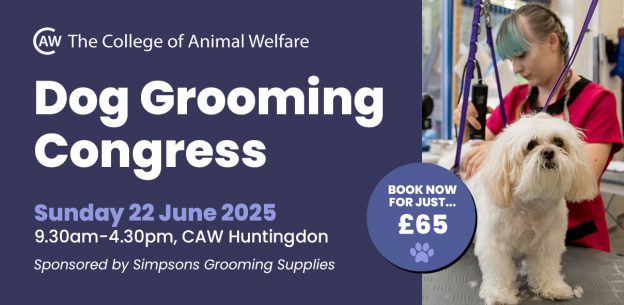
This year’s event is sponsored by Simpsons Grooming Supplies and is taking place on Sunday 22 June 2025 from our training centre in Huntingdon.

Dog Grooming Congress aims to provide valuable knowledge and skills to both seasoned professionals and trainees in the dog grooming industry. It offers dog groomers the ideal opportunity to learn from award-winning dog groomers, network with fellow groomers and brush up on their professional skills.

Watch award-winning dog groomers in action

This year’s congress boasts a fantastic programme of live demonstrations. Attendees can look forward to a session on Hungarian Pulis and their corded coats from award winning dog groomer Andy Henshaw-Wood.

Additionally, multi-award winning and best in show stylist, Amie Gale, will be demonstrating a ‘pet lamb trim’ on a standard poodle – with minimal scissoring and tips and tricks for getting the perfect clean feet and face. 

Multi-award winning groomer Colin Taylor is also set to work his magic on a Cockapoo, sharing essential tips for everyday grooms and advice on building confidence and business success.

Meet industry exhibitors

Dog Grooming Congress will also play host to an industry exhibition, welcoming a range of local and national exhibitors to discuss the services and products they have to offer dog groomers.

Exhibitors so far include event sponsor Simpsons Grooming Supplies, alongside representatives from The Scissor Boutique, WildWash, Clipit Grooming, Pet Passion to Profit, CAW Grooming School, VetSkill, Colin Taylor Products, Cliverton Insurance Brokers, Groom In Style, and Groomers.

Gain advice and guidance to elevate your dog grooming career

As well as chatting to exhibitors and watching demos, dog groomers can also listen to a series of presentations being held throughout the day.

To begin congress, Paula Bryan will go over how to spot and treat common skin and coat conditions, plus tips to prevent clipper rash.

Paul Daly, a balanced behaviour/training specialist and gundog trainer in the UK for more than 25 years, will discuss the fears dogs face in the salon and cover small changes you can make to create a stress-free grooming experience.

Animal business expert Bill Betts will be leading a presentation all about the business side of dog grooming.

To close congress, Anne Selfe will be speaking on the importance of nutrition and client education from a groomer’s perspective.

Book now for just £65*

Dog groomers can attend Dog Grooming Congress for just £65.* A full event agenda, and further details about how to book, can be found at on our website.

*CAW Dog grooming students and alumni can attend for the discounted rate of just £35 by contacting the college to request a discount code.

Watch our video from last year to find out what Dog Grooming Congress is all about…

How to Start a Dog Grooming Business

Free guide: How To Start A Dog Grooming Business

Have you ever dreamed of working with dogs every day, being your own boss, and building a career that brings both financial stability and personal fulfillment? If so, we have something exciting for you!

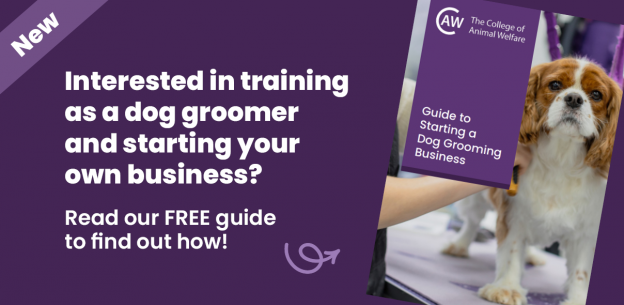
We’re thrilled to introduce our new, FREE guide to starting a dog grooming business! If you’re interested in training as a dog groomer and starting your own business, this guide will give you the knowledge and confidence to take the first steps.

Why start a dog grooming business?

Dog grooming is a fantastic career choice for dog lovers who want flexibility, and the opportunity to build lasting relationships with pet owners and their furry friends. With pet ownership on the rise, professional dog groomers are in high demand, making this an excellent time to enter the industry.

What you’ll learn in the guide

Our comprehensive dog grooming business guide walks you through every essential step of training as a dog groomer and starting your dog grooming business, including:

  • Training as a Dog Groomer – Explore your options for professional training and certification.
  • Setting Up Your Business – Choose the right business model, name your business, and understand your target market.
  • Handling Legal and Practical Essentials – Learn about registration, booking systems, insurance, and industry regulations.
  • Mastering Your Finances – Plan for startup costs, set pricing strategies, and create a sustainable revenue model.
  • Attracting and Retaining Clients – Discover effective marketing strategies, communication tips, and ways to build customer loyalty.
  • Planning for Growth and Wellbeing – Learn how to expand your services, hire a team, and maintain a healthy work-life balance.

Who is this guide for?

This guide is perfect for aspiring dog groomers who want to turn their love for dogs into a profitable business, as well as dog lovers who are considering a career change and want to explore dog grooming as an option.

Get your free guide today

Becoming a dog groomer and starting your business doesn’t have to be overwhelming. With the right knowledge and a clear plan, you can create a successful and rewarding career. Download the guide here.


Ready to start training as a dog groomer? We’re enrolling now for our City & Guilds Level 2 and 3 Dog Grooming courses, with intakes starting all year round!

Our City and Guilds accredited dog grooming qualifications are available at levels 2 and 3, and are delivered from our fully-equipped dog grooming salons in Huntingdon (Cambridgeshire) and Tingley (near Leeds).

Our courses are suitable for both newcomers to the industry looking to train as a dog groomer, as well as current dog groomers who do not currently hold a qualification and would like to gain formal recognition of their skills and experience. This practical training will give you the skills and experience needed to progress as a dog groomer and build a strong foundation for your own business.

Explore our dog grooming courses

Employer Guide to Apprenticeships

Employer Guide to Apprenticeships (England)

Finding and retaining skilled employees is a challenge many businesses face, but apprenticeship training offers a practical and effective solution. By combining hands-on experience with structured learning, apprenticeships can help businesses build a capable, motivated workforce while addressing skills gaps and fostering long-term growth.

Whether you’re looking to develop existing staff or bring new talent into your team, apprenticeships provide a straightforward way to enhance your workforce and meet the demands of your industry. In this post, we’ll explore what apprenticeships are all about, how they can benefit your organisation and offer insights into making them a valuable part of your recruitment efforts.

What are apprenticeships?

An apprenticeship is a training programme where an apprentice gains practical skills and knowledge by working in a real job, undertaking off-the-job training and studying a nationally recognised apprenticeship programme.

Apprenticeship programmes teach apprentices the necessary skills, knowledge and behaviours they need to succeed in specific job roles, and set them up for future employment and career progression.

At The College of Animal Welfare, we offer apprenticeships in:

We also deliver apprenticeships as part of our Business School. We offer apprenticeships in:

Key Facts about apprenticeships

  • An apprentice must be paid at least the National Minimum Wage for Apprentices if they are under 19 years of age, and in the first year of their apprenticeship for anyone over the age of 19 (thereafter the normal national minimum wage applies). You can choose to pay more if you wish.*
  • Apprentices must spend a minimum of 6 hours a week on off-the-job training.
  • Apprenticeships are not just for new employees – they can also be undertaken by existing staff.
  • The minimum length of an apprenticeship is 12 months but many last longer than this.
  • Apprentices can be any age! (as long as they are over 16 years of age)

Who can undertake an apprenticeship?

Contrary to popular belief, apprenticeships are not only for school leavers or younger people.

In order to undertake an apprenticeship in England, you need to be:

  • Aged 16 years or over
  • Living and working in England
  • Not already in full time education

Apprenticeships are also not just for new members of staff, they can also be used by existing employees who wish to undertake new learning and upskill. For example, a staff member might choose to undertake a leadership and management apprenticeship as part of their professional development, in order to learn new leadership skills. 

What are the benefits for employers?

Recruiting an apprentice is an effective way to grow your business and develop skilled, qualified workers:

  • 92% of companies that have taken on apprentices believe this leads to a more motivated and satisfied workforce*
  • 86% said apprenticeships helped them develop skills relevant to their organisation*
  • 80% have seen a significant increase in employee retention*

Other potential benefits include:

  • Grow your business: Affordable way to expand and develop your business
  • Cost effective: Provide valuable opportunities whilst minimising recruitment and training costs
  • Enhanced reputation: Provide client reassurance by investing in trained staff
  • Increased productivity: Maximise staff efficiency though the development of knowledge and skills

What are the responsibilities of the employer?

As an employer, you play a crucial role in the success of apprenticeship training programmes. When engaging in apprenticeship training, employers need to:

  • Have a genuine job role available, with a contract of employment long enough for an apprentice to complete their apprenticeship. The role must help the apprentice gain the knowledge and skills they need to achieve the apprenticeship with support from the employer.
  • Commit to the employment of the apprentice for the full duration of the apprenticeship.
  • Pay the apprentice the correct wage for their age, for the time they are in work, in off-the-job training and doing further study.

Employers will need to support their apprentice by having an apprenticeship agreement and training plan in place, and by logging updates on progression, weekly hours and any changes to working patterns. The training provider will support the employer in doing this and is available throughout the apprentices’ programme to offer advice and guidance.

What are the costs to the employer?

The employer is responsible for covering apprenticeship fees and cannot ask the apprentice to contribute.

As an employer you will either be an Apprenticeship Levy Payer (employers with over a £3 million pay bill) or Non-Levy Payers (employers with less than a £3 million pay bill).

Employer with less than a £3 million annual pay bill (non levy payers)

For employers with a pay bill of less than £3 million a year, 95% of the employers’ apprenticeship training and assessment costs in England will be paid for by the government. The employer only pays 5% of the apprenticeship costs.

Employer with more than a £3 million annual pay bill (levy payers)

Larger employers (with a payroll of more than £3 million) pay into the apprenticeship levy and will use this money to cover their apprenticeship fees. In England, the government will top up employers’ levy with an extra 10%, paid directly to employers’ digital apprenticeship accounts.

What is the Apprenticeship Levy?

The government apprenticeship levy is a tax paid by employers with a payroll of more than £3 million. The levy is charged at 0.5% of an employer’s total payroll.

It is stored in a fund which can be accessed to help pay for apprenticeship training costs. The levy is designed to help businesses offer more apprenticeships.

What are the financial incentives for employers?

Apprenticeship training offers significant benefits to employers, not only in developing a skilled and motivated workforce but also through financial incentives designed to make the process more affordable. By investing in apprentices, businesses can reduce training costs whilst benefiting from government support and potential funding opportunities.

Below is an overview of the key financial incentives available to employers:

  • The National Minimum Wage (NMW) for Apprentices is just £7.55 per hour (April 2025)*. You can choose to pay more if you wish.
  • Most small to medium sized businesses only pay 5% of the apprenticeship costs, with the government covering the remaining 95%.*
  • If you take on an apprentice aged 16-18, you could be eligible to receive an incentive payment of £1,000.* What’s more, if your business has less than 50 contracted employees, the course fees for those aged 16-18 may be fully funded!*
  • At CAW, we can help you recruit, screen candidates and even arrange interviews – for free!

How to recruit an apprentice with CAW

Recruiting a new apprentice

If you are looking to take on a new apprentice, please contact our funding team on funding@caw.ac.uk and we can help you to advertise your vacancy and assist you to recruit your apprentice for free. The process is as follows:

  1. Identify a requirement in your business
  2. Contact CAW to discuss the role.
  3. Provide a job description to advertise the role
  4. CAW advertise your role for free, and undertake free candidate screening if you wish
  5. Select candidates to interview
  6. Recruit your apprentice

Training existing staff

If you are looking to train existing members of staff, your employee will need to select the apprenticeship they are interested in and apply online.

Why choose The College of Animal Welfare as your training provider?

At The College of Animal Welfare, we are passionate about equipping our apprentices with the knowledge, skills, and resources needed to thrive in today’s dynamic business environment and be well-prepared for their chosen careers.

We are a UK training provider who specialise in training for the veterinary and animal care sectors. We have been delivering animal care training and supporting employers for over 20 years.

  • Our courses have been developed in conjunction with employers to ensure we’re reaching the practical knowledge and skills your business really needs.
  • Experienced tutors are available to support you and your apprentice every step of the way. All of our lecturers come with a strong background in their respective subjects and are passionate about supporting apprentices and their employers.
  • Many of our courses do not require attendance in college and they can be started at any time! Instead, course materials are provided online and we provide email and telephone support throughout the apprenticeship.
  • We can help you recruit, screen candidates and even arrange interviews – all for free!
  • We offer both apprenticeships and accredited qualifications, offering a training option to suit both junior and more experienced staff members. 
  • Many of our courses offer optional units that employees can choose to match their interests and job role, allowing them to tailor their training to your business’ needs.

Apprenticeships offered at The College of Animal Welfare and CAW Business School

Contact us to find out more

If you would like to have an informal, non-obligatory chat, to talk through your options and any concerns/queries, please don’t hesitate to contact our team of Client Advisors. They are here to help and make sure that you choose the apprenticeship that is right for you and your staff members. You can call us on 01480 422060, email us at admin@caw.ac.uk, start a live chat with us, or request a call back on our website.

Please note that the information in this post is correct at the time of publishing and may be subject to change.

How to Find An Apprenticeship Working With Animals

How to Find an Apprenticeship Working with Animals

If you’re passionate about pursuing a career working with animals, an apprenticeship is an excellent way to gain hands-on experience in your chosen role whilst completing a recognised training programme and getting paid!

In England, apprenticeships require you to live and work in a suitable environment; for those wanting to work with animals this could be in a business such as a boarding kennel, cattery, veterinary practice, dog grooming salon, riding school, or racing yard.

Working in the animal care and veterinary industries is a competitive field, and finding the right apprenticeship can take time. If you’re struggling to secure a role, don’t lose heart. Here are some tips and advice to help you land an animal care apprenticeship:

Search on the Government’s “Find an Apprenticeship” Website

The government’s official “Find an Apprenticeship” website is one of the best places to start your search. Many training providers and employers post their vacancies here. You can search by location, industry, or keyword to find roles that match your interests.

Once you’ve found a vacancy that appeals to you, create an account on the site to apply. Keep checking back regularly, as new opportunities are posted frequently.

Explore Local and National Job Boards

Online job boards often list recent vacancies in animal care and veterinary roles. Some platforms to consider include The College of Anima Welfare Jobs Board, Indeed and Reed. Use keywords such as “animal care apprentice” or “veterinary apprenticeship” to refine your search. Don’t forget to also check local newspapers or community job boards for local opportunities.

Follow Animal Employers and Colleges on Social Media

Social media is a valuable tool for finding apprenticeship opportunities. Many veterinary, animal care and equine employers post their latest vacancies on platforms like Facebook, Instagram, and LinkedIn.

Follow organisations such as The College of Animal Welfare, as well as your other local colleges and training providers that specialise in training for the animal care and veterinary sectors. Staying connected ensures you’re among the first to know when new opportunities become available.

Contact Employers Directly

If you have specific employers in mind, don’t hesitate to reach out to them directly. This proactive approach demonstrates your enthusiasm and commitment, which can make a strong impression.

You can send an email to introduce yourself and express your interest in an apprenticeship, make a phone call to ask if they have any current or upcoming apprenticeship opportunities, or visit in person to hand in your CV directly.

Potential employers to consider include kennels, catteries, veterinary practices, farms, stables, riding schools, animal charities, zoos and wildlife rescue centres. Even if they don’t have immediate openings, they may keep your details on file, offer you a work experience placement or refer you to other opportunities.

Undertake Relevant Work Experience

Gaining work experience in an animal care setting can help you get a foot in the door of the industry, and significantly improve your chances of securing an apprenticeship in the future. Many employers look for candidates who have some hands-on experience, as it shows dedication and a genuine interest in working with animals. Volunteering at an animal rescue centre, assisting at a local stable, or helping out at a veterinary practice can provide valuable skills and insight into the industry.

Work experience can also help you build connections with professionals who may offer guidance, references, or even future apprenticeship opportunities. If you’re struggling to find an apprenticeship straight away, consider gaining work experience first to strengthen your application and increase your chances of success.

Attend Career Events and Open Days

Career events, open days, and job fairs are great opportunities to connect with industry professionals and learn about apprenticeship options. Events like our annual, virtual Careers With Animals Day bring local employers, colleges, and training providers together to discuss career and training options in the animal care professions. You can use these events to ask questions, network with potential employers, and explore pathways in the industry.

Ensure Your CV Is Up to Date

Having a well-prepared CV will help you stand out when applying for apprenticeship vacancies. Include any relevant experience, such as volunteering at an animal shelter or working at a kennel. Highlight any studies or courses related to animal care, such as first aid for animals or pet grooming workshops. If possible, tailor your CV to the specific role you’re applying for, showcasing the skills and experience most relevant to that position.

Animal Apprenticeships at CAW

Useful Resources

Finding the right apprenticeship may take time, but with persistence and the right approach, you’ll be on your way to a fulfilling career working with animals. Good luck!

Contact us to find out more

If you would like to talk through your options and any concerns/queries, please don’t hesitate to contact our team of Client Advisors. They are here to help and make sure that you choose the apprenticeship that is right for you. You can call us on 01480 422060, email us at admin@caw.ac.uk, start a live chat with us, or request a call back on our website.

Nicole veterinary work experience

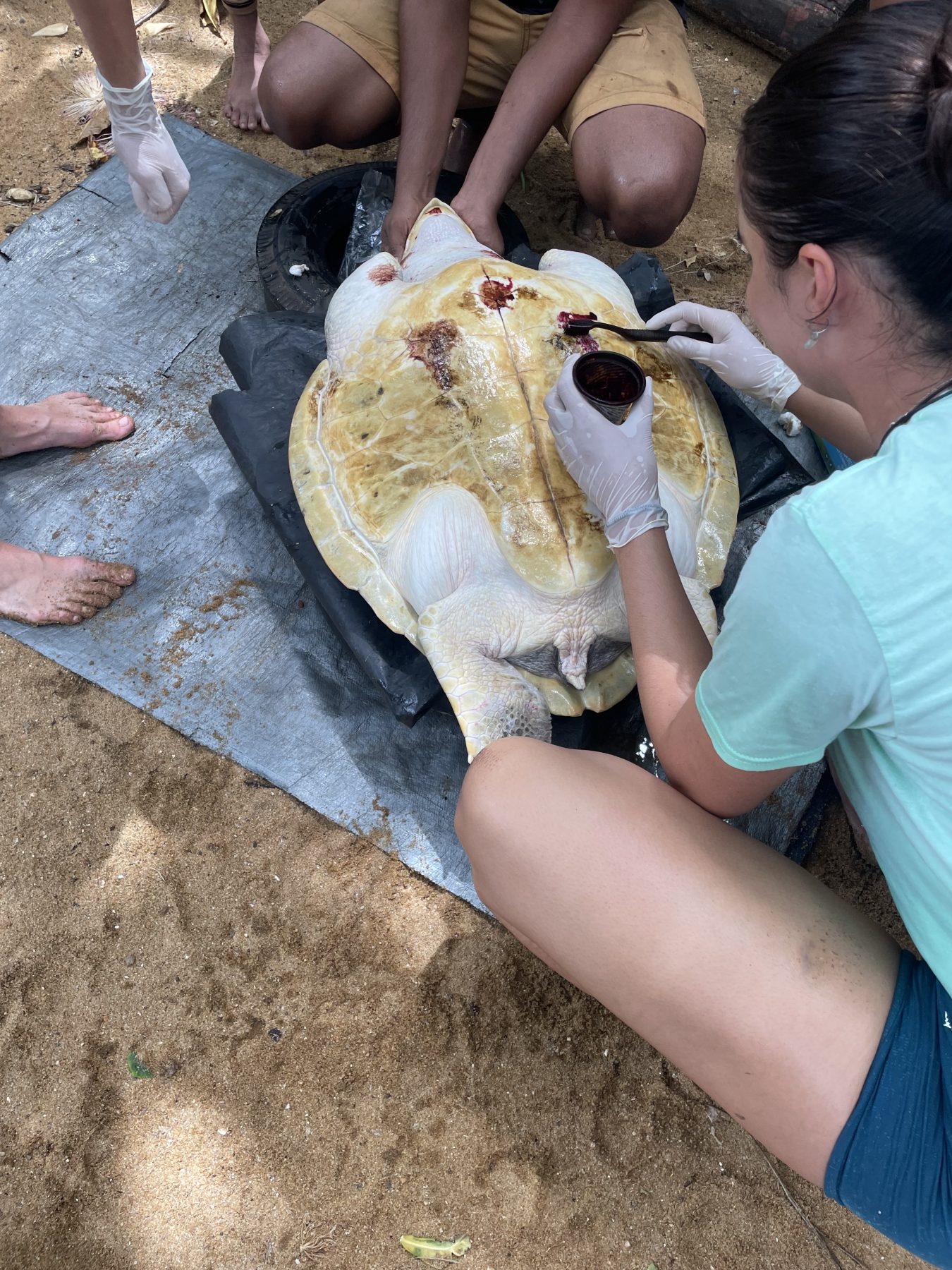
“It was very useful to get some hands-on experience with a species I’ve never worked with before.” Student veterinary nurse, Nicole, shares her experience working with sea turtles abroad

Meet Nicole, who is studying on our BSc Hons Veterinary Nursing Degree programme, delivered in conjunction with Middlesex University.

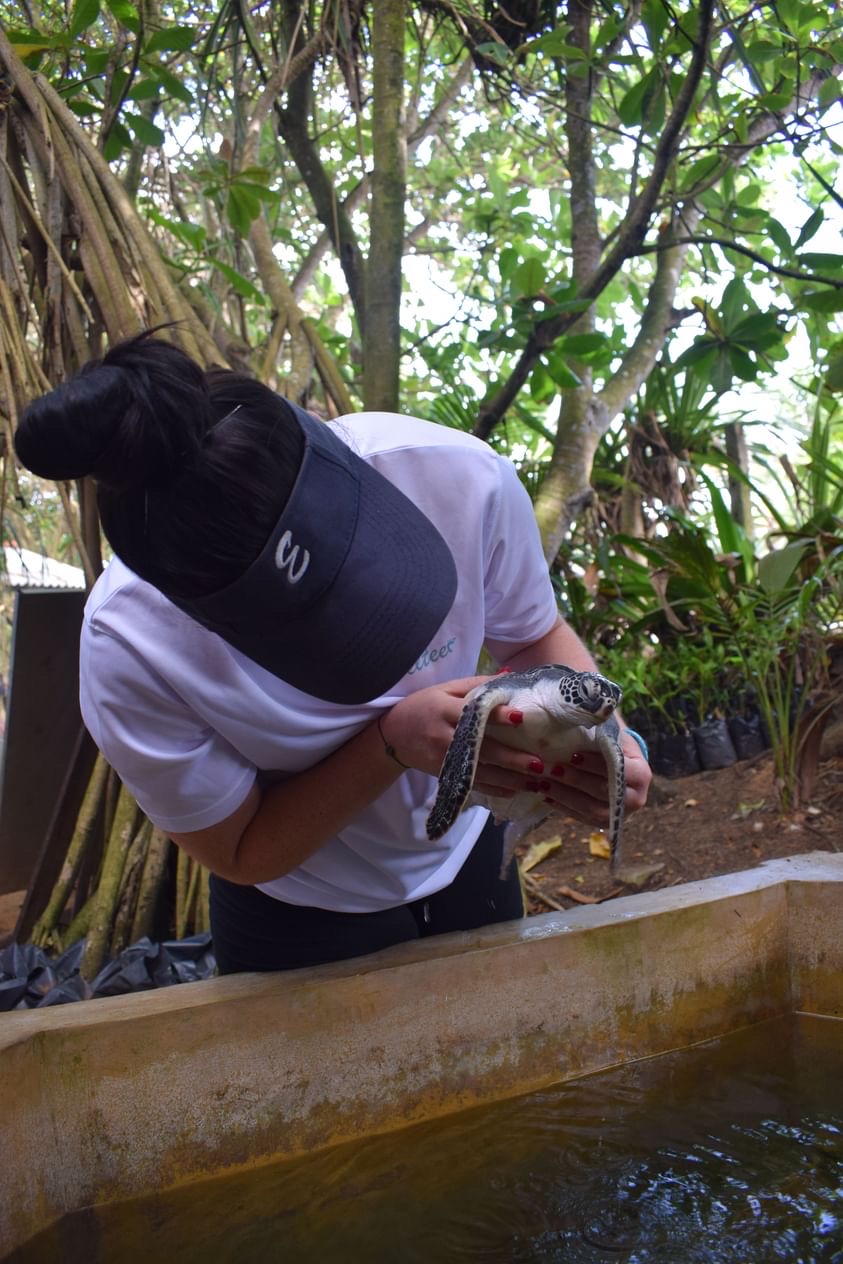
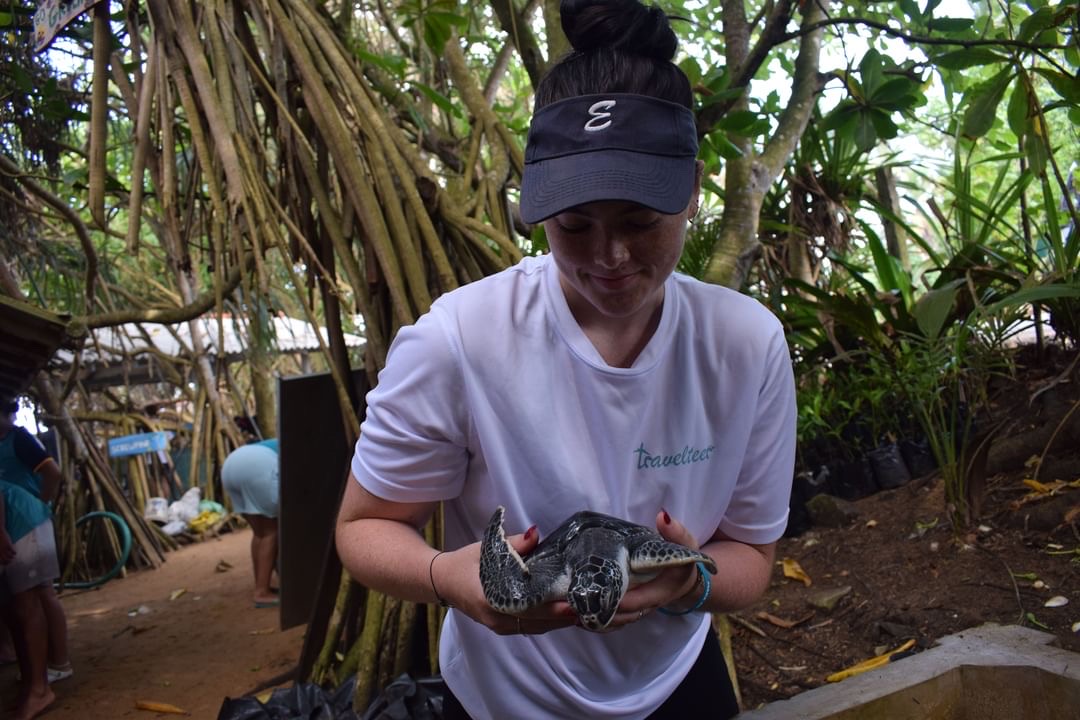
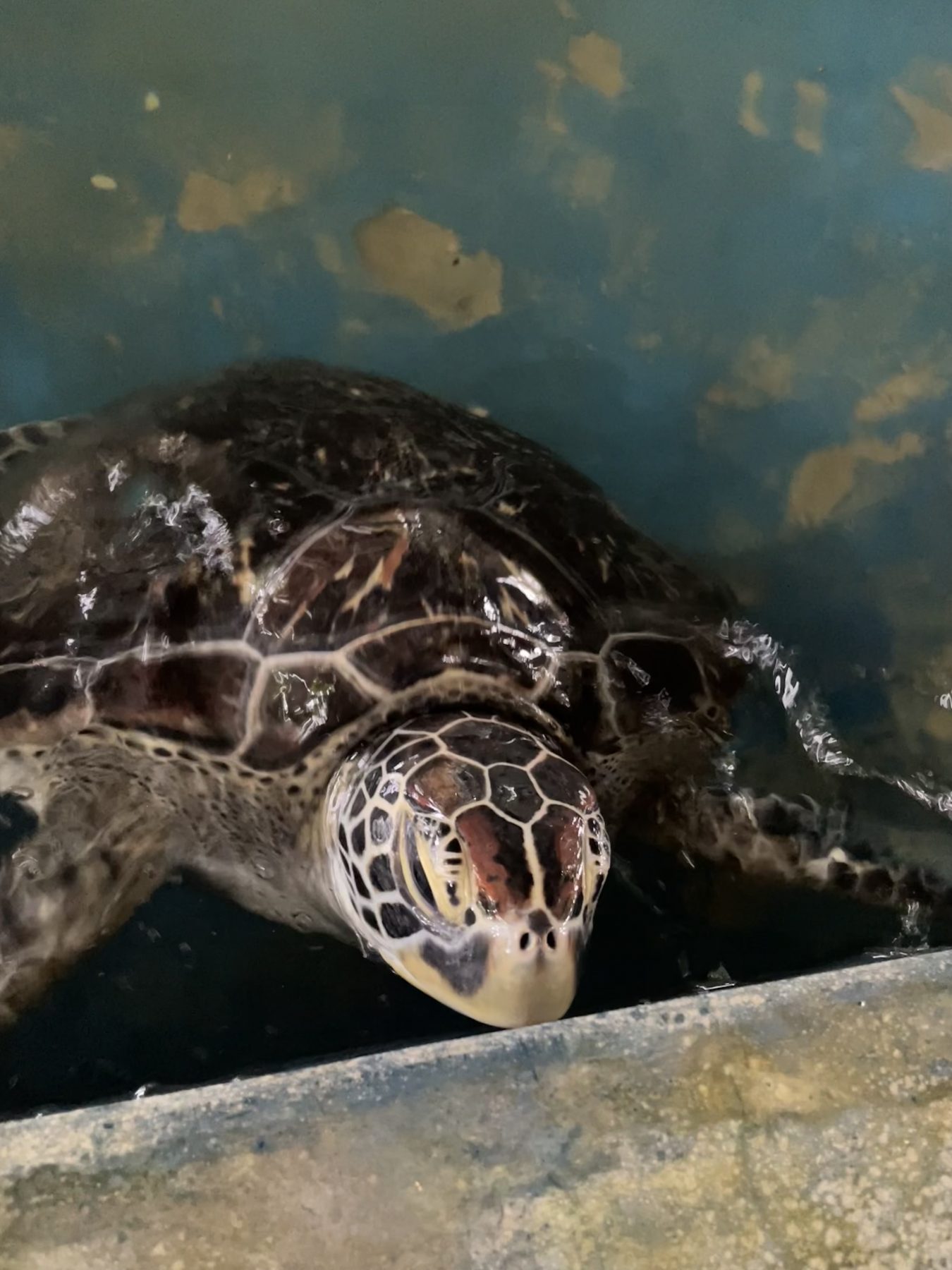
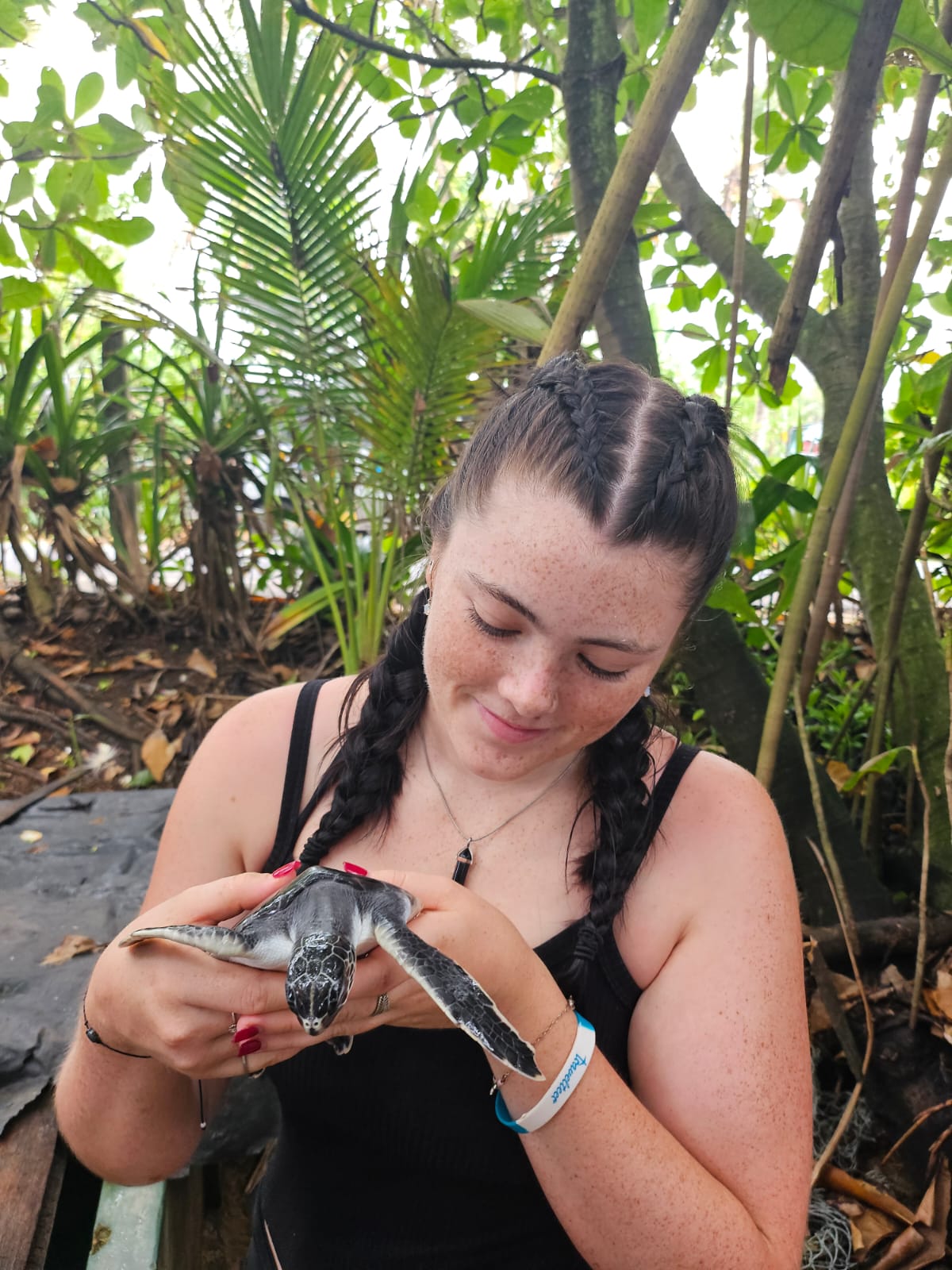
Nicole travelled to Sri Lanka for two weeks last summer to participate in a marine and wildlife conservation programme. The programme combined hands-on veterinary work with environmental restoration, including caring for sea turtles, restoring rainforests, and cleaning beaches and rivers.

Nicole said this experience not only expanded her academic and professional horizons, but also provided a chance to travel, make connections, and contribute to conservation efforts.

In this blog post, Nicole shares her experiences on the programme – from discovering the opportunity to navigating the application process, fundraising for her trip, and ultimately immersing herself in Sri Lanka’s vibrant culture and ecological efforts. Whether you’re a student looking for inspiration, or you’re interested in volunteering abroad, read on to find out more…

What did you do in Sri Lanka? 

I went to Sri Lanka for two weeks and volunteered to do marine and wildlife conversation. I worked mainly with sea turtles, and helped with rainforest restoration and beach and river clean up. 

How did you find out about the programme? 

I followed Middlesex Global on Instagram and signed up for their newsletter, which sent me information and updates on the different programmes and opportunities the university offers internally. I then came across the company called Travelteer, which Middlesex University is affiliated with, and signed up through them. 

What is the process of signing up?

I contacted Travelteer who then conducted an interview with me about the university I was at and the course I did. We then discussed the different programmes which would suit me best, as well as what time of year I wanted to travel and if I was travelling with other people.

It was a quick registration with a sign-up fee. Then I got access to a volunteer portal with all the information and next steps. I was sent a welcome pack and instructions on how to set up a donations page. There was a minimum requirement of £75 per week to raise through a Just Giving account; any additional funds you raise goes towards your flights. You can do whatever you want to fundraise, privately or publicly, such as bake sales. 

I then got the dates approved, flights booked, visas and insurance sorted in the months leading up to my departure. It was a relatively simple process, and they ran pre-departure meetings on a regular basis to provide the information you needed beforehand. They were really easy to contact as well. 

Did you get any help with funding? 

I applied for the MDX Global Opportunities Scholarship 2024 through Santander Open Academy. I submitted my travel plans and dates, linked the company affiliated with the university, and wrote a statement about why I wanted to do this experience, what it would mean to me, and how it related to my course. A few months later, I received notice that I had been awarded a scholarship of £1000 towards my travel. 

Other bursaries and scholarships are available depending on the country and programme you are doing.

Do you need any experience to undertake the programme?

No. You can go out and do this programme having never had any previous experience with sea turtles. 

Does the programme you want to do have to be related to your degree?

Not necessarily. Some of the other programmes offer many transferrable skills and experiences. 

What are the benefits of volunteering with animals abroad?

This opportunity allowed me to expand my knowledge and experience. It was very useful to get some hands-on experience with a species I’ve never worked with before, as well as some work experience under my belt for the future. I found it to be a great way to gain some valuable life experience and a great way to ease into solo travelling.

This experience allowed me to meet many different kinds of people and make friends from all over the country and world from different universities and courses. It also allowed me to indulge in a whole different world of Sri Lankan culture and heritage, especially with the food. 

It was an invaluable experience. I would recommend it to anyone looking to get some experience with exotic or wildlife species, or even just to get into travelling and volunteering around the world. We did so much more than just volunteering. You get a decent opportunity to explore and travel the country and nearby cities. For example, I went up to the mountains on my weekend off and went for surf lessons on my other. 

Interested in studying veterinary nursing at degree level? Find out more about the BSc Hons Veterinary Nursing (Middlesex University).

Virtual Careers With Animals Day

Virtual Careers With Animals Day is back on Saturday 1 March 2025

If you’re looking for guidance about career and training options in the animal care and veterinary industry, there’s no better place to start than The College of Animal Welfare’s annual virtual Careers With Animals Day, taking place on Saturday 1 March 2025!

During this FREE, online event you’ll be able to listen to career talks from a range of fantastic industry organisations, ask questions and gain advice. You can join at any time from 10am-4pm on Saturday 1 March 2025.

This year’s event boasts another great line up of local and national speakers, including the Royal Veterinary College (RVC), International Cat Care, – and many more! You can listen to a jam-packed timetable of careers talks being held throughout the day on careers ranging from veterinary nursing and dog grooming, to horseracing and animal care. View the programme of career talks and speakers.

Whether you’re a school leaver working out what your next move is going to be, looking for a career change, or unemployed and eager to get back to work – everyone is welcome. The event will be taking place virtually on Saturday 1 March. You can join at any time from 10am until 3pm on the day, and it is completely free to join.

Register your interest to receive event reminders, and be sent the attendance link on the day.

Register your interest.