
Gemma Binstead: Client Advisor
Blue Cross Pet Loss Support Volunteer
Recently we caught up with one of our Client Advisors here at The College of Animal Welfare, Gemma Binstead, to hear all about the volunteer work she does for the Blue Cross.
What inspired you to start volunteering, and how did you choose the organisation you work with?
My interest in pet loss and bereavement began during my PGDip and MSc in Companion Animal Behaviour Counselling, where my dissertation explored the strength of the human–animal bond and the impact of loss. This interest was deepened through my work in the veterinary sector and later at a pet crematorium, supporting clients facing euthanasia and bereavement, and through studying a diploma in companion animal bereavement counselling. As with many animal lovers, I have also experienced the loss of beloved animals, so when I discovered that the Blue Cross Animal Charity offered a Pet Loss Support service, I knew I had to get involved. I applied to become a helpline volunteer, was accepted, completed their specialist training course, and have now been volunteering on the helpline for a year and a half.
Can you tell us about the volunteering work you do and explain a bit about the organisation.
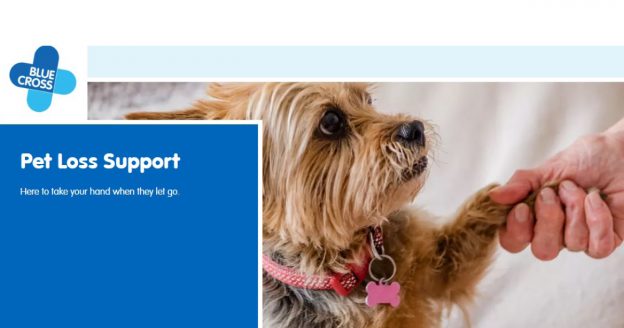
As a Blue Cross Pet Loss Support Volunteer, I work from home and complete a minimum of one three‑hour shift each week. In this role, I answer calls from pet owners who are anticipating or have experienced the death or loss of their animal. The helpline operates every day between 8.30am and 8.30pm and offers a free, confidential service. Callers are welcome to contact the helpline as often as they need.
Blue Cross is a UK animal welfare charity founded in 1897 that helps sick, injured, and homeless pets, as well as the people who care for them. They provide veterinary treatment, rehoming services, behavioural support, and pet loss support to ensure pets enjoy a good quality of life at all times. As well as becoming a pet loss support volunteer, Blue Cross offers a wide range of voluntary roles, including working directly with pets at their rehoming centres and veterinary practices, assisting in the charity shops, helping with horses, fostering animals, taking part in fundraising/events, and even flexible “bitesize” volunteering from home. You can browse and apply for current opportunities through their dedicated volunteer webpage https://www.bluecross.org.uk/volunteer or you can call the customer care team on 0300 7909903.
What has been the most rewarding part of your volunteering experience so far?
Having experienced the loss of my own animals, I am able to empathise deeply with the thoughts and feelings callers bring to the service. Providing a safe, compassionate space where people can express their grief is so important, as pet loss is often a disenfranchised and misunderstood form of bereavement. Many bereaved pet owners suppress their grief and receive far less support than those who have experienced the death of a human family member, partner, or close friend — such as sympathy cards, time off work, or practical help. There are also no widely recognised or socially sanctioned rituals, such as funerals or ceremonies, which can help people say goodbye, mourn, and celebrate the life of their pet.
I find every shift deeply rewarding, particularly when callers sound noticeably less distressed by the end of the conversation and have begun to identify their own solutions and self-care strategies. By actively listening, validating their feelings, and supporting them as they explore ideas for tributes and memorials, volunteers can help them process and come to terms with their grief.
What skills have you developed through volunteering, and how have they helped you personally or professionally?
Through undertaking the training and taking calls, I have gained knowledge and skills in the causes and effects of pet loss, techniques for applying the person‑centred approach to emotional support, and how to recognise safeguarding concerns and respond both efficiently and effectively. I have also developed my ability to actively and empathetically listen, enhanced my self‑awareness, and learned the importance of self‑care — both for those grieving their pets and for myself as a supporter.
What advice would you give to someone who is thinking about volunteering but aren’t sure where to start?
If you are thinking about volunteering but aren’t sure where to start, I would suggest that you begin by considering the causes you care about and how much time you can realistically offer. Research local or remote opportunities and try one that feels manageable. Once you start, you will discover that volunteering doesn’t just help others, it also benefits you. It is rewarding, can boost wellbeing, reduce stress, increase confidence, and help you feel more connected and purposeful. The most important step is simply to begin and see how it feels.