
Veterinary Nursing Awareness Month 2026 takes place this May, and this year the theme focuses on Compassion and Empathy.
This month is an opportunity to recognise the many ways veterinary nurses bring compassion and empathy into their work, and the difference it makes to animals, clients, and the wider veterinary team.
So what does compassion and empathy look like in the role of a veterinary nurse?
Understanding animals without words
Animals cannot explain how they feel, which makes empathy a crucial part of patient care. Veterinary nurses learn to read subtle signals such as body language, behaviour, and small changes that may indicate fear or pain.
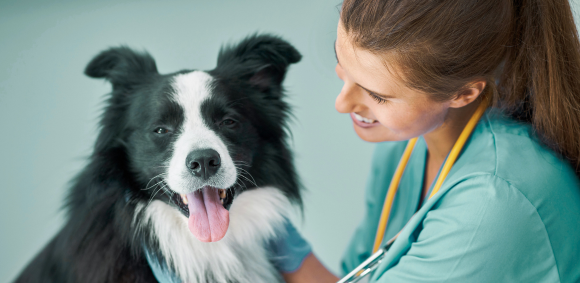
A nervous dog in a waiting room or a cat recovering from surgery doesn’t just need treatment. They need calm handling, reassurance, and a sense of safety. Veterinary nurses provide this through gentle approaches and by creating environments that reduce stress as much as possible.
Supporting owners through emotional moments
For many people, pets are family. This means veterinary practice visits can be emotionally charged, especially when something is wrong.
Veterinary nurses often take time to explain procedures, answer questions, and offer reassurance. They help translate complex medical information into something understandable, while also recognising when someone simply needs a moment of kindness or support.
In more difficult situations, such as end-of-life care, empathy becomes even more important. Being present, patient, and compassionate can make an incredibly hard experience feel just a little more manageable.
The human side of veterinary care
Compassion also plays an important role within the veterinary team. The working environment can be busy and emotionally demanding, and strong teamwork helps maintain a positive atmosphere.
Veterinary nurses support colleagues during challenging situations and help create a culture of understanding within the practice. This contributes to better care for patients and a more supportive workplace.
The emotional labour behind the role
Showing compassion every day is not always easy. Veterinary nurses regularly care for sick or injured animals while supporting worried or grieving owners.
This emotional responsibility is a significant part of the role, even if it isn’t always visible. It requires resilience, self-awareness, and the ability to balance care for others with care for themselves. Recognising this aspect of the role helps build a better understanding of the profession.
Compassion as a skill
Compassion is a key part of professional practice. It influences how veterinary nurses communicate, handle patients, and build trust with clients. By combining clinical knowledge with empathy, veterinary nurses help improve outcomes, reduce stress, and create better experiences for everyone involved.
Next time you visit your veterinary practice, take a moment to notice the veterinary nurse. They are often the calm presence during appointments, the person offering reassurance, and the one providing hands-on care for your pet.
Veterinary nursing brings together skill, understanding, and empathy in a way that makes a real difference every day.
Interested in training as a veterinary nurse? Explore our veterinary nursing courses here…