
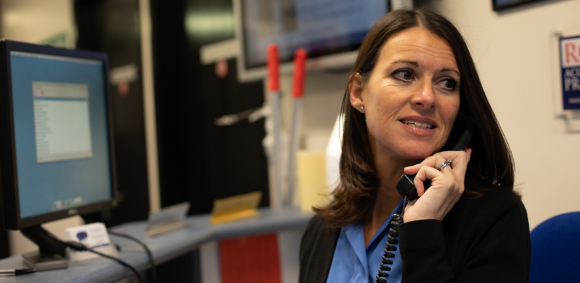
Answering the phone is a core part of working on a veterinary reception desk, and it often shapes a client’s first impression of the practice. Each call can bring something different, from routine enquiries to urgent concerns about a pet’s health. The way these conversations are handled can make a real difference to how supported and reassured a client feels.
In this article, we’re exploring this topic in more detail, looking at practical ways to answer the phone professionally, communicate clearly, and handle a range of situations with confidence.
Start with a clear and consistent greeting
Your opening sets the tone for the phone call. A structured greeting helps you sound confident and makes it clear to the caller that they have reached the right place. Include the name of the practice, your name, and a polite greeting. Using the same format across the team creates a consistent and professional experience for clients.
Example:
“Good afternoon, Greenfield Vets, you’re speaking with Sarah. How can I help?”
Create a positive tone from the start
Your tone of voice matters just as much as the words you use. Clients cannot see your facial expression, so they rely on how you sound. A calm and friendly tone can help put even anxious clients at ease. There are some simple ways to improve tone, such as:
- Sit or stand upright while speaking
- Avoid sounding rushed, even during busy periods
- Take a breath before answering if the phone has been ringing constantly
Listen fully before responding
Clients often call because they are concerned or unsure. Allowing them time to explain the situation helps you understand what they need and avoids mistakes. Good habits include:
- Let the caller finish speaking without interrupting
- Use small verbal cues such as “I see” or “okay” to show you are listening
- Make brief notes if the situation is complex
- Repeat key details back to confirm accuracy
This is particularly important when dealing with symptoms, medication queries, or appointment requests.
Ask clear and relevant questions
Once you understand the reason for the call, you may need to gather more information. Asking the right questions helps you support the client and pass accurate details to the clinical team.
Examples:
- “Can I take your pet’s name and species?”
- “What symptoms have you noticed?”
- “When did this start?”
- “Is your pet eating and drinking normally?”
Keep your questions straightforward and avoid using technical language unless you are sure the client will understand.
Know when to prioritise urgency
Some calls will require immediate attention, It is important to recognise when a situation may be urgent and respond appropriately.
Watch out for:
- Difficulty breathing
- Severe pain or distress
- Sudden collapse or injury
- Ongoing vomiting or seizures
In these situations, it’s important to stay calm and focused, gather key details quickly, and follow your practice protocol straight away.
Handle difficult or emotional calls with care
Veterinary receptionists often speak to clients who are upset, frustrated, or distressed. Your role is to remain calm and supportive while guiding the conversation.
Approach:
- Acknowledge how the client feels
- Use simple, empathetic language
- Avoid interrupting or arguing
- Focus on what you can do to help
If a situation becomes challenging, it is always appropriate to involve a colleague or senior team member.
Be clear and accurate when giving information
Clients rely on you for clear guidance. Misunderstandings can lead to missed appointments or confusion about treatment, so taking a few extra seconds to check details can prevent problems later. Before ending the call, confirm:
- Appointment date and time
- The correct pet and owner details
- Any preparation instructions
- What to do if the situation changes
End the call in a professional and friendly way
The closing of the call is your final opportunity to leave a good impression.
A simple structure would be to ask if the client needs anything else, thank them for calling and offer a polite goodbye.
Example:
“Is there anything else I can help you with today? Thank you for calling, we’ll see you tomorrow morning.”
VetSkill Level 2 Certificate for Veterinary Receptionists
If you are looking to build confidence more quickly or want a structured way to develop your knowledge, formal training can help. Our VetSkill Level 2 Certificate for Veterinary Receptionists is a recognised qualification designed specifically for front-of-house roles in veterinary practices.
What the course offers:
- Learning tailored to veterinary practice Modules cover client communication, managing reception and waiting areas, veterinary terminology, handling products, and upholding health & safety standards.
- Flexible online training Learners study through our advanced Virtual Learning Environment (VLE), completing the course in just 6–12 months.
- Affordable Payment options are available, including help from our Loans2Learn scheme, which can help spread the cost of training.
This qualification helps receptionists gain the confidence and recognition they deserve while improving your practice’s efficiency and client care.
Read more about the VetSkill Level 2 Certificate for Veterinary Receptionists