Author Archives: Amber Tennant

What’s Next After RVN Registration - Career Planning for Veterinary Nurses

What’s Next After RVN Registration? Planning Your 3-, 5-, and 10-Year Career Map

Becoming a Registered Veterinary Nurse (RVN) is a major milestone – a moment to be proud of, after years of study, clinical placements, and rigorous assessments. But once the registration certificate is in hand, many RVNs are left wondering, what comes next?

The truth is, registration isn’t the end – it’s the beginning of your professional journey. With the right planning and reflection, your veterinary nursing career can evolve in exciting and fulfilling directions. Whether you’re aiming for specialisation, education, leadership, or simply to grow your confidence and clinical expertise, mapping out your veterinary nursing career plan in stages can help you move forward with purpose.

Let’s explore what your next 3, 5, and 10 years might look like, and how to make each stage meaningful.

Why career planning matters for RVNs

It’s easy to treat registration as a finish line, especially after the intensity of veterinary nurse training. However, without a plan, it’s equally easy to drift or feel stuck in your role. That’s where career planning comes in as a flexible guide to help you stay motivated and intentional.

Having a career plan matters because it:

  • Keeps your learning and development focused on your goals
  • Helps you identify new opportunities in and beyond clinical practice
  • Encourages progression and prevents stagnation
  • Builds confidence and career satisfaction
  • Puts you in control of your veterinary nursing journey, rather than waiting for roles or promotions to appear

Veterinary nursing offers far more career diversity than many people realise – but you’ll only tap into those options if you start exploring them early.

The 3-year view: Consolidating skills and exploring interests

The first three years post-qualification are about building confidence, competence, and self-awareness. You’ll move from “newly qualified” to experienced RVN, and this period lays the foundation for every stage to follow.

This is a time to get comfortable in your clinical abilities, but also to explore what excites and motivates you.

Key goals in your first 3 years might include:

  • Developing clinical confidence: Repetition and routine in anaesthesia, inpatient care, radiography, or consultations helps solidify what you’ve learnt during veterinary nurse training.
  • Experiencing variety: Rotating through departments (surgical, ward, diagnostics, etc.) gives you a taste of where your natural interests lie.
  • Identifying strengths and growth areas: Start noticing what veterinary nursing tasks energise you, and what you’d like to feel more confident doing.
  • Engaging in CPD early: Explore veterinary nursing CPD options such as short courses, workshops, veterinary nursing congresses or webinars to pursue your professional interests. You could consider further study by completing a top-up degree in veterinary nursing or advanced veterinary nursing qualification.
  • Reflecting regularly: Keep a learning journal or career diary to record what you’re learning and how your interests evolve. Read about the importance of reflective practice for veterinary nurses here.

This is also the right time to explore your working preferences. Do you thrive in busy hospitals, or prefer the familiarity of a small, close-knit team? What kind of caseload excites you? The answers to these questions can help shape your future steps.

The 5-year view: Specialising, mentoring or stepping into leadership

By year five, you’ll likely have settled into a rhythm as a trusted member of your team. This is often when RVNs start thinking about specialisation, mentoring, and stepping into more influential roles within practice.

It’s a pivotal moment: you’ve mastered the basics, and now you can shape your professional identity. This stage could be a great time to:

  • Pursue a clinical specialism: Whether through formal certificates (e.g. ECC, anaesthesia, feline nursing) or informal experience, becoming a ‘go-to’ nurse in a specific area builds credibility and satisfaction.
  • Become a mentor or clinical supervisor: Supporting student veterinary nurses strengthens your leadership and communication skills while giving back to the profession. Read more about becoming a clinical supervisor here.
  • Explore leadership roles: You might start managing stock, coordinating a rota, or leading team meetings – small steps that build your confidence in management and pave the way to becoming a head veterinary nurse. You could even consider undertaking formal management training to support your journey into leadership.  
  • Contribute to practice development: Whether it’s helping update SOPs, organising CPD, or improving patient care protocols, your voice matters.
  • Start or complete further study: A BSc Veterinary Nursing Top-Up Degree or advanced qualification such as the Level 5 Advanced Diploma in Veterinary Nursing (Practice Nurse) can give you the tools and academic depth to take your career to the next level.

By the five-year point, many RVNs also start thinking about long-term goals. Are you still excited by hands-on clinical work, or are you curious about education, leadership, or research? This is a great time to test out new directions through shadowing or part-time study.

The 10-year view: Advanced veterinary nursing practice, academia and non-clinical options

At the ten-year mark, your veterinary nursing career plan could take a wide range of directions – from advanced clinical practice to management, teaching, or even industry. You’ve built a solid foundation, and now the focus is often on influence, innovation, and impact.

This is where many veterinary nurses step into roles that shape not just patient care, but the profession itself. Potential veterinary nursing pathways at 10+ years include:

  • Advanced veterinary nursing qualifications: You might pursue the RCVS Advanced Veterinary Nurse (AVN) status or complete an advanced diploma in a clinical specialty.
  • Practice leadership: Positions such as Head Nurse, Clinical Manager, or Practice Manager allow you to guide teams, shape policy, and improve practice culture. For inspiration, you can read more about our former student Laura Doran and her journey from SVN to Practice Manager here.
  • Veterinary education: Many experienced RVNs transition into teaching roles and support student veterinary nurses at college or university level. You can download our Guide to Becoming a Veterinary Nursing Lecturer to explore this option in further detail.
  • Industry or consultancy work: You may choose to work with veterinary pharmaceutical companies, equipment suppliers, or Non-Governmental Organisations (NGOs) as a veterinary nurse advisor or trainer.
  • Writing and veterinary journalism: RVNs with a passion for writing may consider contributing to a veterinary publication. Find out more about writing as an RVN here.
  • Research or policy: RVNs with academic inclinations may contribute to published research, policy development, or ethical frameworks that support patient care and professional wellbeing.

This stage is often driven less by clinical casework and more by purpose: What legacy do you want to leave in the profession? How can your skills support systemic change or future veterinary nurses?

The role of a BSc Veterinary Nursing Top-Up Degree at every stage

If you haven’t already completed a veterinary nursing degree, the BSc Hons Veterinary Nursing Top-Up Degree can be a versatile tool in your professional development, and its value changes depending on where you are in your career. Here’s how it can support you at different stages:

  • In your early years, it can help build confidence and deepen your clinical understanding. It also sets you apart academically early in your veterinary nursing career.
  • Mid-career, it provides a strong foundation for specialisation or progression into leadership and teaching roles. The academic element encourages critical thinking and reflection, which are essential for team leadership and mentoring.
  • Later in your career, it can be a springboard to postgraduate study (like a PGCert or MSc), support applications for senior or academic roles, and give you the credentials to move into research or policy work.

Best of all, our top-up veterinary nursing degree is flexible and can be part-time – allowing you to work and study simultaneously, and apply what you learn directly to your day-to-day practice.

Practical tool: Build your veterinary nursing career plan timeline

Creating a career timeline helps you visualise your goals and progress over time. It doesn’t have to be rigid, but writing things down makes it easier to stay focused and proactive.

Try mapping your next career moves using categories like:

TimeframeClinical FocusPersonal DevelopmentProfessional GoalsSupport Needed
0–3 yrse.g. Consolidate skillse.g. CPD in communicatione.g. Identify areas of interestMentor, journal club
3–5 yrse.g. Specialise in ECCe.g. BSc top-up, coachinge.g. Clinical supervisor, lead nurseFormal qualification, peer support
5–10 yrse.g. AVN applicatione.g. PGCert or MSce.g. Lecturer, head nurseProfessional network, funding info

Revisit your timeline annually. Are you on track? Have your goals changed? It’s okay to pivot – what matters is that you’re actively shaping your career, not waiting for someone else to do it for you.


Your RVN registration marks a proud achievement, but it’s also just the beginning. With thoughtful planning, reflection, and support, your veterinary nursing career can grow in ways you might not have imagined when you first set foot in a training practice. So don’t wait for opportunities to come to you. Start thinking about where you want to go – in three years, five years, ten years – and take the first step today.

Boredom Vs Burnout as an RVN

Burnout vs Boredom as an RVN: Understanding the Difference and What to Do Next

You’re getting through the day. You’re doing what’s expected – caring for patients, supporting your team, keeping things moving. But something feels off. Maybe you feel drained all the time, or like you’re just going through the motions. The spark that once lit up your veterinary nursing career feels dim, or even gone altogether. Is it burnout? Or is it boredom?

Many Registered Veterinary Nurses (RVNs) reach a point in their career where the passion they once felt seems distant. You might feel guilty for even admitting it. But recognising whether you’re experiencing boredom or burnout as a veterinary nurse is the first step to moving forward with clarity, confidence, and compassion for yourself.

Let’s explore the difference between burnout and boredom, why they often feel so similar, and what to do next if you’re stuck in the space between.

Burnout vs Boredom: How to tell the difference

Burnout and boredom can look and feel eerily similar, but they come from very different places. Understanding which you’re dealing with helps you choose the right recovery path.

Burnout
Burnout is emotional, physical, and mental exhaustion caused by prolonged stress and overwork. Signs of burnout might include:

  • Constant fatigue, even after rest
  • Feeling emotionally numb or detached
  • A sense of dread before work
  • Increased irritability or cynicism
  • Trouble concentrating or remembering tasks
  • Reduced empathy for patients or clients

Boredom
Boredom, on the other hand, is the result of not being mentally or emotionally stimulated. It’s what happens when your work no longer feels challenging, engaging, or meaningful. Signs of boredom might include:

  • Feeling like your job is repetitive or stagnant
  • Daydreaming or clock-watching through your shift
  • A desire for change, even without knowing what
  • Frustration with lack of growth or progression
  • Feeling like you’ve “outgrown” your role

While burnout is often the result of too much, boredom comes from not enough – not enough stimulation, variety, learning, or purpose.

Why burnout and boredom often feel similar

Despite their different causes, burnout and boredom often show up in similar ways for veterinary nurses: low energy, lack of motivation, detachment from your work, and the persistent feeling that something’s wrong. Here’s why they’re so easily confused:

  • Both affect your emotional connection to your role: You stop feeling invested in your work and start questioning your career as a veterinary nurse.
  • Both leave you feeling stuck: Whether overwhelmed or underwhelmed, you don’t see a clear way forward.
  • Both can lead to guilt: Especially in caring profession like veterinary nursing, where passion is part of the identity.

This overlap is why it’s so important to pause and reflect. Are you depleted from giving too much, or just ready for something new?

What each path needs: Rest vs re-engagement

Once you can name what’s going on, you can start taking action that aligns with what you actually need.

If you’re burned out, your priority is recovery. You may need:

  • Time off, even if it’s just a long weekend to reset
  • Emotional support, through counselling or peer networks
  • Workload boundaries, like saying no to extra shifts or duties
  • Restorative activities, like hobbies, nature, or time with loved ones
  • Reconnection to purpose, once you’ve had space to breathe

Burnout recovery is not about pushing through, it’s about pressing pause and protecting your well-being.

If you’re bored, on the other hand, the answer often lies in re-engagement. You may need:

  • New challenges, like trying a different department or caseload
  • Learning goals, to reignite your curiosity and growth
  • Expanded responsibilities, such as mentoring or team projects
  • Career conversations, with your manager about RVN progression options
  • A change of scenery, such as a new veterinary practice or work setting

Where burnout asks for less, boredom craves more — more growth, more challenge, more meaning.

How further learning can re-ignite interest and purpose

For RVNs who feel disengaged, further learning can be a powerful catalyst for change. It brings variety, stimulates curiosity, and helps you reconnect with your “why.”

Sometimes a short CPD course or weekend workshop is enough to reignite your enthusiasm. For others, you might be looking for a longer term challenge such as topping up your veterinary nursing diploma to a degree, or completing an advanced veterinary nursing qualification such as the Level 5 Advanced Diploma in Veterinary Nursing (Practice Nurse). Learning reminds you that you’re not stuck, and that you still have places to go and things to discover in your career.

Further learning can introduce you to new clinical interests (e.g. anaesthesia, ECC, behaviour), provide credentials that open doors to specialisation or teaching, help you build confidence after a difficult period, and offer new career pathways outside of clinical practice. Beyond the content, it also often brings a new community, as you’ll meet others who are learning, growing, and questioning just like you. That alone can be enough to lift you out of a rut.

Further learning options for RVNs

For Registered Veterinary Nurses (RVNs), continuing professional development (CPD) can take many forms, from quick wins to longer-term veterinary nursing qualifications.

Whether you’re looking to specialise, broaden your skillset, or explore new roles, there are more learning opportunities than ever for RVNs at all career stages. Here are just a few career development options for veterinary nurses:

ILM Leadership & Management Qualifications
Consider an accredited leadership and management course, which can help RVNs develop skills in team leadership, project management, and strategic decision-making – essential for supervisory and managerial roles.

Clinical Supervisor Training
Clinical supervisor training equips RVNs to mentor and assess veterinary nursing students. It typically covers coaching techniques, giving feedback, and reflective supervision – ideal for RVNs looking to shape the next generation of nursing professionals. You could also consider studying a formal coaching and mentoring qualification. Read more about training as a clinical supervisor here.

Teaching Qualifications
A formal teaching credential such as the Level 3 Award in Education and Training can support RVNs wishing to deliver in-house training sessions or explore a move into teaching in further education settings. If you want to find out more about becoming a veterinary nursing lecturer, you can read our free guide here.

Advanced Veterinary Nursing Qualifications
Advanced veterinary nursing qualifications such as the Level 5 Advanced Diploma in Veterinary Nursing (Practice Nurse) are perfect for RVNs looking to master their clinical skills. This programme encompasses leadership skills, enhanced clinical judgment, and advanced procedures, paving the way to senior roles or specialisms.

BSc Honours Veterinary Nursing Top-Up Degree
For RVNs holding a Diploma or FdSc, consider topping up your veterinary nursing qualification to degree. This opens doors to research, specialist roles, and enhanced career pathways in veterinary nursing.

Veterinary Nursing CPD and Congresses
Short-form veterinary nursing CPD like attending a congress is a flexible way to stay clinically current, earn CPD hours, and network with fellow RVNs. These events offer a focused learning experience over one or two days, often combining keynote presentations, case studies, and interactive sessions. For busy veterinary nurses, congresses are an efficient way to stay up to date without the commitment of long-term study.

At The College of Animal Welfare, we host a range of veterinary nursing congresses throughout the year, tailored to specific areas of interest and clinical specialisms. Options include:


Whether you’re burned out, bored, or somewhere in between, you are not the only one feeling this way. Many RVNs – from newly registered to those with decades in veterinary practice – go through periods where they question their role, their energy, or their next step. This doesn’t make you ungrateful or uncommitted. It makes you human, and it may be your inner voice gently saying: You’re ready for something more.

You deserve a veterinary nursing career that feels fulfilling, challenging, and sustainable – not one that just gets you through the week. So take a breath, name what you’re feeling, and know this: You’re not stuck. You’re just at the edge of what’s next – and that next chapter could be brighter, more meaningful, and more exciting than you ever expected.

Training as a Veterinary Nurse in your 30s, 40s, 50s, 60s and beyond

Training as a Veterinary Nurse in Your 30s, 40s, 50s or Beyond? Yes, It’s Possible – and Worth It

For many people, a love of animals has been lifelong – but life doesn’t always lead straight into a veterinary nursing career. Whether you’ve worked in a different industry, taken time out to raise a family, or simply want a more meaningful career path, training to become a veterinary nurse in your 30s, 40s, 50s or beyond can be the bold step that changes everything.

Why mature students thrive in veterinary nursing

You might wonder if it’s “too late” to start veterinary nurse training, but in truth, people entering this field later in life often bring strengths that set them apart. Here’s why:

Real-world experience
You’ve faced challenges, solved problems, and likely developed excellent interpersonal and practical skills in your life and career so far. This experience adds depth to your learning and often makes new concepts easier to grasp and apply in clinical settings.

Stronger motivation
Mature students typically actively choose to retrain and move into this career path. That sense of purpose drives motivation, resilience, and a willingness to overcome obstacles – qualities that help you succeed in both study and practice.

Good time management
If you’re balancing work, home life, or caregiving responsibilities, chances are you’re already a skilled multitasker. These time management habits transfer well into education, especially when studying to become a veterinary nurse.

Emotional intelligence
Years of life experience tend to build soft skills that can help you succeed in veterinary nursing, such as empathy, patience, and confidence. These are all essential traits in a profession where communication and care are just as important as clinical skills.

The barriers, and how to overcome them

Returning to study can feel daunting, especially when juggling work, family, or financial commitments. However, you’re not alone, and many others have faced the same challenges and found ways to succeed. Here are some common barriers and how you might be able to move past them and make your learning journey achievable:

Time constraints
Life is busy, especially when you’re already working or caring for others. However, consistent, focused study, even in short bursts, can be surprisingly effective. Planning ahead and building study time into your routine is key.

Financial pressure
Cost is a concern for many learners, but don’t let it hold you back. There are funding options, student loans, and employer-supported routes (such as veterinary nursing apprenticeships) available that can make the financial leap more manageable. Explore payment options for veterinary nurse training here.

Lack of confidence
Worried about going “back to school” after a long break? That’s completely normal – but remember, your life and work experience already prove you can learn, adapt, and succeed. Many veterinary nurse training providers offer academic support, and you’ll likely find others in your course at a similar life stage.

Veterinary nurse training and career development options

In the UK, you can become a Registered Veterinary Nurse (RVN) through either a college-based diploma or a university degree, both combining classroom learning with hands-on clinical experience:

Entry routes into veterinary nursing

  • Level 3 Diploma in Veterinary Nursing: This is a practical veterinary nursing qualification that includes a combination of classroom learning and practical experience. It’s well-suited for those who enjoy hands-on learning. It usually takes two to three years to complete. If you are employed in a veterinary practice in England, you may also be eligible to undertake this course as part of a veterinary nursing apprenticeship, which means your training costs would be covered by your employer.
  • Foundation Degree in Veterinary Nursing: A foundation degree combines academic study with practical experience in a veterinary practice. It’s typically takes around three years to complete.
  • BSc Honours Veterinary Nursing Degree: This is a full academic degree that includes both theoretical and practical elements. It usually takes three to five years to complete and is ideal for those who may want to pursue further study or specialised veterinary nursing roles in the future. Some veterinary nurse training providers also offer a veterinary nursing degree with a foundation year, for those who do not yet meet the entry requirements for a BSc Veterinary Nursing programme.

Understanding these options is the first step in deciding which route best suits your needs. You can find out more about each veterinary nurse training option on our website, as well as explore how to choose the right veterinary nursing course for you.

Continuing development for veterinary nurses

Once you’ve qualified, there are so many directions your veterinary nursing career can take. Some nurses decide to specialise clinically, becoming experts in areas like anaesthesia, emergency care, or feline medicine. Others discover a passion for education and go on to teach or mentor student veterinary nurses. Leadership roles such as Head Nurse or Practice Manager are well within reach, especially for those with strong organisational and team-building skills.

There are also growing opportunities in research, where veterinary nurses are contributing to clinical studies and evidence-based practice, and in non-traditional roles such as charity work, pharmaceuticals, and international animal health projects. Wherever your interests lie, there’s room to grow, lead, and make a difference.

Explore career progression for veterinary nurses here.


It’s never too late to start training as a veterinary nurse

If you’re in your 30s, 40s, 50s or beyond and thinking about training as a veterinary nurse, here’s the truth: it’s not too late to start.

You will bring maturity, perspective, and purpose to your veterinary nurse training – qualities that will help you thrive. Whether you’re looking for a second career, a new challenge, or a way to turn your passion for animals into something more, veterinary nursing could be the meaningful and rewarding path you’ve been waiting for. If you want to explore what a career in veterinary nursing looks like, find out more here.

Ready to start your veterinary nurse training? Explore courses here…

Laura Doran

From Student Vet Nurse to Practice Manager: Laura Doran Shares Her Veterinary Nursing Career Journey

Laura Doran completed her veterinary nurse training with us in 2007, going on to study the Level 5 Operations/Departmental Manager Apprenticeship, incorporating the ILM Level 5 Diploma for Operational Leaders and Managers. Here, Laura shares her career journey so far, as well as her experiences training at CAW:

I started my Veterinary career in March 2003. I was employed in a first opinion, small animal practice in Norfolk as a student veterinary nurse. I attended The College of Animal welfare one day a week for two years, this was when the college was based at The Wood Green Pets Charity. I had the best tutors and enjoyed the course immensely. It had always been a dream of mine since I was a little girl to work in a veterinary practice giving care to the animals.

I qualified as a Registered Veterinary Nurse in 2007 and very soon after had to step up into the Head Nurse position as my Head Nurse was going off on maternity leave. This ignited my interest in management and started a path towards where I am today. Once my Head Nurse returned after maternity leave, I stepped into a Deputy Head Nurse position but felt unfulfilled. I moved into education teaching animal care at levels 1, 2, and 3 at the local college. I loved this role and built a strong passion for mentoring and personnel management.

After 2 years of teaching, I had my first baby and this changed my priorities. Teaching was incredibly rewarding, however it was all-consuming, working late everyday and going in early. I couldn’t maintain the level of dedication the role needed with a new born baby. While I was on maternity my former Head Nurse had decided after having her third baby she wanted to step down from the role and relocate to a surgery closer to home. I interviewed for the role and successfully gained the position.

Over the next 5 years I helped build the practice into a successful business with great staff attainment. I lead the team to win Practice of the Year and after continuous growth we outgrew our current practice. I helped design and manage a new build which I was extremely proud of. As the new practice opened, I left for maternity leave for my second baby. Up until this point I had been full time, but felt I couldn’t give the time and dedication needed for the role with two young children and decided to move to a smaller practice to be Head Nurse 3 days a week.

After 2 years I felt ready for my next challenge in my career. A local practice had advertised for a Practice Manager, so I put in an application. I was offered the job after interviewing and started in October 2020. Covid was still very alive and effecting everyday life and the risk of jumping to a new role I had no idea how to do was huge. I settled into the role and started the Level 5 Operations/Departmental Manager Apprenticeship, incorporating the ILM Level 5 Diploma for Operational Leaders and Managers, with The College of Animal Welfare.

The course taught me so much and I grew not only professionally but personally too. During the course I also project managed building a brand-new practice as our current surgery had become too small due to rapid growth. My tutors were amazing support, encouraging me and giving me courage to lead the project. This must be my biggest achievement professionally so far, leading a huge project successfully whilst studying for a qualification. Everything I learnt on the course helped me immensely and I could use the skills in real life. My tutors were my biggest champions, and counsellors during the hard times. At times I thought about giving up, but they were there to support and guide me through. Without them, I don’t know if I would have finished. I completed my course earlier this year and gained a Distinction in my End Point Assessment. I am incredibly proud of myself and thankful to the tutors who supported me to get here.

I am looking forward to future projects, adapting my role in Practice to become the best I can be. I am already looking to complete a qualification in an area that has developed to be one of my strengths, personnel management and HR starting in September.

My advice to anyone wishing to study at CAW would be to go for it! The tutors are incredible, supportive and understanding. They treat you as individuals and really encourage you to be the best you can be.

Why Dog Grooming Is One of the Fastest Growing Careers for Dog Lovers

Why Dog Grooming Is One of the Fastest Growing Careers for Dog Lovers

In recent years, dog grooming has emerged as a popular career choice in the UK. According to recent data*, there are approximately 19,000 monthly Google searches for dog grooming training in the UK – totalling around 230,000 annually.* This places dog grooming among the most sought-after roles in the animal care sector, reflecting a strong national interest in animal-related careers. Here’s why dog grooming is a great choice for dog lovers…

The rise of pet ownership means demand for dog grooming is growing

The surge in pet ownership, particularly during the pandemic, has significantly increased the demand for professional dog grooming services. As more households welcome dogs into their families, the need for regular dog grooming to ensure their health and hygiene has become paramount.

Importantly, dog grooming is no longer reserved for just pedigrees or show dogs. Today, grooming services are in high demand across all types of breeds and mixes, from poodles and spaniels to cockapoos, terriers, and rescue dogs. Many of these breeds have coats that require regular maintenance to prevent matting, skin issues, and discomfort. This shift means there is consistent, year-round demand for dog grooming services – making grooming a reliable and growing career path.

Dog grooming offers diverse career opportunities

Dog grooming offers a wide range of career paths to suit different lifestyles, goals, and levels of experience. Whether you prefer working in a bustling salon or enjoy the freedom of running your own mobile setup, there’s a role for every kind of dog lover:

  • Salon dog groomer: This is a popular starting point for many groomers. Working in a professional dog grooming salon allows you to learn the trade alongside experienced colleagues, build a client base, and gain exposure to a variety of dog breeds and grooming styles.
  • Mobile dog grooming: If you value flexibility and independence, becoming a mobile dog groomer can be ideal. You’ll provide dog grooming services directly at clients’ homes using a specially equipped van or portable setup. This option is perfect for those who want to set their own schedule and minimise overhead costs.
  • Starting your own dog grooming business offers lots of autonomy and creative control. Whether you envision a boutique salon or a mobile grooming van, you can design your services to reflect your unique style and brand. You can download our comprehensive step-by-step guide on training as a dog groomer and launching a dog grooming business here.
  • Specialist dog grooming: If you’re passionate about specific breeds or aspire to work with show dogs, specialising can elevate your career. Specialist dog groomers often develop deep expertise in breed standards, advanced styling techniques, and even competitive grooming.
  • Dog grooming trainer: Experienced dog groomers with a passion for teaching can pursue roles as instructors or course developers at dog grooming colleges. This is a great way to share your knowledge and help train the next generation of dog groomers. Read more about becoming a dog grooming teacher here.
  • Animal welfare and rescue work Some dog groomers choose to use their skills in the non-profit sector, working with animal shelters or rescue organisations. Grooming can dramatically improve the adoptability and comfort of neglected or rescued dogs, making it a powerful way to give back.

Accessible entry into the dog grooming profession

One of the most appealing aspects of a career in dog grooming is how accessible it is, even for those with little or no prior experience.

Whether you’re making a complete career change or simply looking to turn a passion for dogs into a profession, with structured training and a recognised dog grooming qualification, new dog groomers can enter the industry with confidence and credibility.

City & Guilds accredited dog grooming qualifications are widely respected across the industry and are often seen as the standard for professional dog groomers. At The College of Animal Welfare, we offer the following dog grooming courses from our fully-equipped dog grooming salons in Huntingdon (Cambridgeshire) and Tingley (West Yorkshire), with intakes starting throughout the year:

As an alternative training option, if you live in England and are working in a suitable dog grooming environment, you might be eligible to train as a dog groomer as part of a dog grooming apprenticeship.


A rewarding and fulfilling role – are you considering a career in dog grooming?

Dog grooming is a genuinely rewarding profession. There’s real satisfaction in seeing the difference you can make, whether it’s transforming a scruffy coat into a neat trim or helping a nervous dog feel at ease. For many dog groomers, building bonds with the dogs they care for, and knowing they’re making a positive impact, is what makes the work so fulfilling.

If you’re passionate about dogs and seeking a fulfilling career, dog grooming might be the perfect fit. You can read our dog grooming careers guide to learn more about what dog grooming is all about, or explore our dog grooming courses to get started.

A Day in the Life of a Dog Groomer

What It’s Really Like to Be a Dog Groomer: A Day in the Life

If you’ve ever watched a dog walk out of a dog grooming salon looking like a completely different dog – fresh, fluffy, and proud of it – you might have wondered what it’s like to do that work every day.

From the outside, dog grooming seems like a hands-on job surrounded by cute dogs. But what does a typical day actually involve?

Whether you’re considering dog grooming as a career or simply curious about what it’s really like, here’s what a day in the life of a dog groomer looks like:

The morning routine: Setting up for success

For many dog groomers, the day starts early. Before the first appointment, the workspace needs to be prepared. That means checking equipment such as clippers, scissors, dryers and bathing stations, to ensure everything is clean, sharp, and safe to use. Towels are folded, shampoos are ready, and the grooming table is adjusted for the first client of the day.

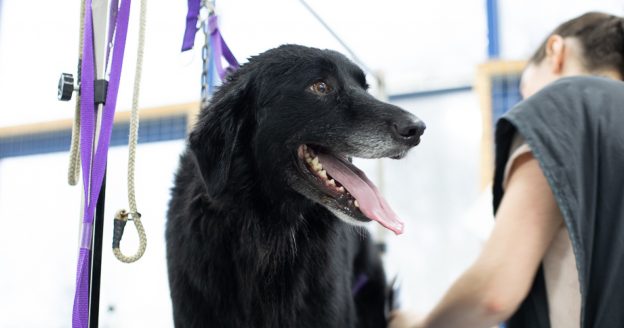
Dogs begin arriving from around 9am, sometimes earlier. Some come bounding in, tails wagging. Others may be a little nervous, especially if it’s their first visit. A big part of a dog groomer’s job is putting dogs and their owners at ease by using calm body language, kind voices, and gentle handling.

The appointments: Dog grooming in action

Each dog is different, and so is each groom. Some may be in for a simple bath and brush, others for a full breed-specific cut. A typical appointment begins with a pre-groom health check – looking at the coat, skin, ears, eyes, and nails – to spot anything unusual or requiring extra care.

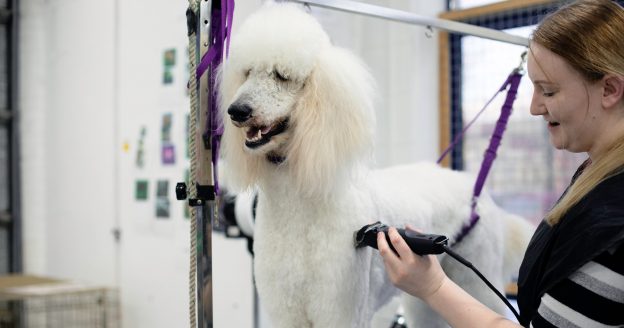
Next comes the bath. This is a chance to condition the coat, loosen dead fur, and assess the skin beneath. After drying, brushing and detangling, the groomer begins clipping, trimming or styling according to the breed or client’s request. Some trims are functional, others are creative or aesthetic. Every dog leaves looking and feeling better than when they arrived.

Appointments often include nail trimming and general hygiene checks. Throughout, the groomer must work patiently, adjusting to the dog’s behaviour. A calm, confident approach can make all the difference in how smoothly a session goes.

In-between appointments: The hidden work

When people picture dog grooming, they usually think of scissors and shampoo, but a lot of the job happens between the grooms. Cleaning and sanitising tools, managing bookings, updating client records, and handling payments are all part of the daily rhythm, especially if you choose to start your own dog grooming business.

Some dog groomers work alone, while others are part of a busy salon team. In both cases, good time management and attention to detail are essential. Groomers also need to stay up to date on health and safety standards, breed trends, and grooming techniques as the profession continues to evolve.

The rewards: More than just a makeover

Many dog groomers will tell you that the job is rewarding and practical. There’s something deeply satisfying about seeing a nervous dog relax under your care, or a matted coat transformed into a soft, shiny finish. You’re not just making dogs look good – you’re improving their comfort, wellbeing, and quality of life.

Many groomers also develop strong relationships with regular clients. Watching a dog grow from a timid puppy to a confident adult, and knowing you’ve played a part in their care,  creates a real sense of connection and purpose.


Are you thinking about becoming a dog groomer?

If this kind of workday appeals to you, dog grooming could be the beginning of a new and fulfilling career working with dogs.

Gaining a recognised dog grooming qualification is one of the most important first steps you can take. In the UK, City & Guilds accredited dog grooming certifications are widely regarded as the industry benchmark. They are trusted by employers, respected within the profession, and provide a solid foundation in both the practical and theoretical aspects of dog grooming.

At The College of Animal Welfare, we offer City & Guilds accredited dog grooming courses at levels 2 and 3 from our fully-equipped dog grooming salons in Huntingdon (Cambridgeshire) and Tingley (West Yorkshire), with intakes starting throughout the year. These courses cover the professional practices, essential techniques, and safety standards you need to work professionally. Whether you’re just starting out or looking to build on existing experience, these qualifications provide a clear and credible route into the industry.

We also offer a Level 2 Dog Groomer Apprenticeship route for those who are working in a suitable dog grooming environment in England, which requires no college attendance and can be started at any time.

Explore our dog grooming courses.

Do You Need Qualifications to Become a Dog Groomer in the UK

Do You Need Qualifications to Become a Dog Groomer in the UK?

Dog grooming is quickly becoming one of the most popular career choices in the UK, particularly for those looking to combine a love of dogs with hands-on, rewarding work. In fact, recent search data suggests that dog grooming is now considered one of the top ‘dream jobs’ among British adults.

But if you’re thinking about pursuing this path, one of the first questions you might ask is: do you need a dog grooming qualification to become a dog groomer?

Dog grooming and the law: What you need to know

In the UK, it is not currently a legal requirement to hold a dog grooming qualification in order to work as a dog groomer. However, obtaining a recognised dog grooming qualification will significantly enhance your credibility and employability in the industry.

Why dog grooming qualifications matter

Dog grooming qualifications are seen as essential by many employers, clients, and professional dog groomers who take pride in delivering high-quality, safe, and ethical dog grooming services.

Formal dog grooming training provides a structured way to learn the core skills needed for the job, from bathing and clipping to coat styling, breed-specific techniques, animal handling, and recognising signs of skin conditions or health issues. These skills are crucial if you want to work confidently and responsibly with a range of dog breeds and temperaments.

Gaining a recognised dog grooming qualification can also go a long way in helping you build trust with clients. Pet owners are understandably careful about who they leave their dogs with, and being able to show that you’ve completed a professional dog grooming course demonstrates both your competence and your commitment to doing the job well.

It can also open up a wider range of career opportunities, whether you’re looking to join a dog grooming salon, launch your own dog grooming business, or specialise in areas like show grooming.

How to train as a dog groomer

If you’re considering dog grooming as a career path, gaining a recognised dog grooming qualification is one of the most important steps you can take. In the UK, City & Guilds accredited dog grooming certifications are widely regarded as the industry benchmark. They are trusted by employers, respected within the profession, and provide a solid foundation in both the practical and theoretical aspects of dog grooming.

At The College of Animal Welfare, we offer City & Guilds accredited dog grooming courses at levels 2 and 3 from our fully-equipped dog grooming salons in Huntingdon (Cambridgeshire) and Tingley (West Yorkshire), with intakes starting throughout the year. Our courses cover the professional practices, essential techniques, and safety standards you need to work professionally. Whether you’re just starting out or looking to build on existing experience, these qualifications provide a clear and credible route into the industry.

We also offer a Level 2 Dog Groomer Apprenticeship route for those who are working in a suitable dog grooming environment in England, which requires no college attendance and can be started at any time.


Choosing to train formally and achieve an accredited dog grooming qualification sets you apart in an increasingly competitive industry. It’s an investment not just in your skills, but in your confidence, your reputation, and the wellbeing of the dogs in your care.

If you’re ready to explore your options, take a look at our dog grooming courses and see how we can help you take the first step.

Is Dog Grooming a Creative Career

Is Dog Grooming a Creative Career? You Might Be Surprised

When people think about creative careers, roles like graphic design, illustration or photography often come to mind. Rarely do they consider dog grooming. But for those who enjoy working with their hands, have an eye for detail, and love dogs, dog grooming offers a surprising level of artistic expression – as well as a meaningful way to make a difference.

Far from being just a routine task, dog grooming is a highly skilled craft that combines aesthetics, problem-solving and care. In fact, many people are drawn to it for the very reasons they would pursue other creative careers: the opportunity to shape something beautiful, the satisfaction of hands-on work, and the joy of expressing personality through style.

Styling with purpose

Every dog grooming session is a transformation. Groomers are trained to shape and style a dog’s coat to suit its breed, proportions and personality, often taking into account the preferences of the owner as well.

While some dogs are groomed to follow breed standards, others are styled more playfully. For example, the “teddy bear cut” has become a favourite for its rounded, cuddly appearance. Like hairdressers or fashion stylists, dog groomers make design choices that influence the final look and feel of their subject. There is a creative decision behind every trim, every finish.

A craft that’s adaptable and expressive

Creativity in dog grooming isn’t only about appearance. It’s also about responding to each individual dog. No two appointments are ever the same. Groomers must adapt their techniques depending on the dog’s temperament, coat condition, or physical needs. For example, they may need to work around matting, sensitive skin, or anxiety – all of which require patience, gentle handling, and imaginative thinking to ensure the dog’s wellbeing as well as a successful result.

Those who enjoy creative problem-solving often find this aspect of the work deeply satisfying. It’s not just about producing a polished look; it’s about understanding each dog and using professional judgement to bring out the best in them.

An art form in its own right

In some areas of the industry, dog grooming becomes a full-blown art form. Creative dog grooming, a growing trend, involves elaborate coat sculpting, colour work using pet-safe dyes, and competition-style transformations that showcase artistic expression and advanced grooming techniques. This highlights just how much room for artistry there is in the dog grooming profession.

Even within everyday dog grooming, there’s a strong sense of design involved – from achieving visual balance and symmetry to highlighting a dog’s features in a way that’s both functional and aesthetically pleasing. For many groomers, it’s this blend of practical care and personal flair that makes the job so rewarding.

A tangible, hands-on career

Perhaps one of the most appealing aspects of dog grooming is the physical nature of the work. In contrast to screen-based or desk-bound jobs, grooming offers a way to engage fully in a task, see visible results, and take pride in creating something with your own hands. There’s a sense of purpose in the work – knowing you’ve made a dog more comfortable, healthier, and happier – and a creative reward in seeing the transformation unfold in front of you.


Are you considering a career in dog grooming?

If you’re someone who enjoys working with dogs, finds fulfilment in creative, hands-on work, and wants a career that feels both meaningful and expressive, dog grooming could offer a genuinely satisfying path.

At The College of Animal Welfare, we offer City & Guilds accredited dog grooming courses at levels 2 and 3 from our fully-equipped dog grooming salons in Huntingdon (Cambridgeshire) and Tingley (West Yorkshire), with intakes starting throughout the year. These courses cover the professional practices, essential techniques, and safety standards you need to work professionally. Whether you’re just starting out or looking to build on existing experience, these qualifications provide a clear and credible route into the industry.

We also offer a Level 2 Dog Groomer Apprenticeship route for those who are working in a suitable dog grooming environment in England, which requires no college attendance and can be started at any time.

Learn more about our dog grooming courses here.

How Our Dog Grooming Courses Can Help You Become Your Own Boss

From Passion to Profession: How Our Dog Grooming Courses Can Help You Become Your Own Boss

If you’ve ever dreamed of turning your love for dogs into a fulfilling and profitable career, it’s more achievable than you might think. Our City & Guilds accredited dog grooming courses have helped countless students go from aspiring groomers to successful dog grooming business owners – and you could be next.

Real stories and real successes in dog grooming

Our alumni are proof that our courses don’t just teach you how to groom dogs – they teach you how to build a future in dog grooming:

After spending most of her adult life as a bus driver, Joanne Bolton had to rethink her career due to ill health. Registered disabled and living with arthritis, she began our dog grooming training and persevered through pain and mobility challenges by making practical adjustments – today, she’s a successful self-employed dog groomer:

“I’d say to anyone wanting to do this as a career just do it! The course was excellent. It was fun. I’ve been to seminars and grooming competitions and travelled up and down the country since starting my dog grooming journey. The College of Animal Welfare has opened whole new world for me. I believe you’re in control of your future. If working with dogs is something you want to do, then pick up those clippers and get going. Live your life the way you want too!” Read Joanne’s story


Jon Wilkinson decided to leave the corporate world behind to pursue a career in dog grooming. After spending years working as a Regional Account Manager in finance, Jon left his role to begin his new journey – but just a month later, he suffered a cardiac arrest while playing football. After a month in hospital and six months of recovery, he started our dog grooming courses. He now has his own dog grooming business. Reflecting on his journey, he said:

“My biggest achievement? I guess it’s the whole thing. Completing the studying to become a qualified groomer, starting the business and attracting, building and retaining clients is all a part of rebuilding my career and if I take a step back, that’s my biggest achievement.” Read Jon’s story


For Tiffany Saywell, our dog grooming course was the perfect fit. “The part that I particularly enjoyed the most was the practical side of the course, where it was more hands-on; this built up my confidence working with the animals and also meeting the dogs’ owners. This personal touch also aided my personal client relationship skills that I have now adapted into my own business, Brite Barks.” Read Tiffiny’s story.


Danielle Floyd, owner of Meows and Growls Grooming, started with a Level 2 course and loved grooming so much that she returned for Level 3 to refine her skills and open her own salon. “CAW helped me change my life and helped me achieve my goals,” she says. Read Danielle’s comments.

And there are many more success stories – like Victoria Harwin, who shares her inspiring journey in our YouTube interview.

Why become a dog groomer?

A career in dog grooming comes with a wide range of benefits, both personal and professional:

  • Be your own boss: Enjoy the freedom and flexibility of running your own dog grooming business.
  • Work with dogs every day: Turn your passion for dogs into a fulfilling career.
  • Build personal relationships: Connect with clients and their dogs in a meaningful way.
  • Financial stability: With the rising demand for professional pet care, the potential for income growth is strong.

Start your dog grooming career today

We offer a free guide to training as a dog groomer and starting your own dog grooming business, which is perfect for anyone who wants to take that first step with confidence.

If you’re ready to start training, our dog grooming qualifications are designed to give you the practical skills, confidence, and industry know-how needed to succeed. Delivered from our fully-equipped salons in Huntingdon (Cambridgeshire)and Tingley (near Leeds), these courses combine hands-on experience with expert-led instruction in real salon environments. Plus, with intakes starting throughout the year, you can start training whenever you’re ready.

We also offer a Level 2 Dog Groomer Apprenticeship route for those who are working in a suitable dog grooming environment in England, which requires no college attendance and can be started at any time.

Explore our dog grooming courses here.

Is Dog Grooming the Career for You

Is Dog Grooming the Career for You? 7 Signs You’d Be Great at It

If you’ve ever found yourself wondering what it might be like to work with dogs every day, you’re not alone. Dog grooming is an increasingly popular career goal in the UK*, offering a mix of hands-on work, creativity, and the chance to make a real difference to dogs and their owners. But how do you know if it’s the right path for you?

Whether you’re thinking about a career change or just starting out, here are seven signs that dog grooming could be a perfect fit.

1. You love being around dogs

This might seem obvious, but it’s the most important starting point. If spending time with dogs brings you joy, and you’re comfortable around different breeds, sizes, and temperaments, you already have the most essential ingredient. Dog groomers work with all kinds of dogs, so having a natural affinity for dogs is key.

2. You enjoy hands-on, practical work

Dog grooming is very much a physical, active job. It involves washing, brushing, clipping, drying and styling – often all in one session. If you enjoy working with your hands and seeing tangible results from your efforts, you’re likely to find the work both satisfying and rewarding.

3. You’re patient and calm under pressure

Some dogs love being groomed; others find it stressful. A good dog groomer stays calm and patient, even when a dog is nervous, wriggly or uncooperative. If you’re the kind of person who can stay composed and compassionate in challenging situations, that’s a huge advantage in this role.

4. You have an eye for detail

Dog grooming is part styling, part animal care – and attention to detail matters. From achieving neat, symmetrical trims to spotting early signs of skin or coat issues, being observant and precise helps ensure dogs look their best and stay healthy too.

5. You’re creative and like expressing yourself

Dog grooming can be a creative career. Whether it’s following breed-specific standards or crafting a unique look to suit a particular pet, you’ll have opportunities to express your creativity every day. For people who enjoy art, design or styling, dog grooming offers a unique outlet. You can explore all the ways dog grooming allows you to be creative here.

6. You’re motivated and like working independently

While some dog groomers work in busy salons, many also work solo by running their own dog grooming business or offering mobile services. If you’re self-motivated, organised, and enjoy managing your own time, grooming can offer a great deal of autonomy and flexibility.

7. You want a job that feels meaningful

Helping dogs stay clean, comfortable and healthy is about more than appearances. Dog groomers play a key role in animal welfare, and the bond that develops with clients and their pets is often deeply rewarding. If you’re looking for work that has a purpose, a dog grooming career delivers. Find out more about a day in the life of a dog groomer here.


Thinking about your next step in dog grooming?

If you’re considering dog grooming as a career path, gaining a recognised dog grooming qualification is one of the most important steps you can take. In the UK, City & Guilds accredited dog grooming qualifications are widely regarded as the industry benchmark. They are trusted by employers, respected within the profession, and provide a solid foundation in both the practical and theoretical aspects of dog grooming.

At The College of Animal Welfare, we offer City & Guilds accredited dog grooming courses at levels 2 and 3 from our fully-equipped dog grooming salons in Huntingdon (Cambridgeshire) and Tingley (West Yorkshire), with intakes starting throughout the year. These courses cover the professional practices, essential techniques, and safety standards you need to work professionally. Whether you’re just starting out or looking to build on existing experience, these qualifications provide a clear and credible route into the industry.

We also offer a Level 2 Dog Groomer Apprenticeship route for those who are working in a suitable dog grooming environment in England, which requires no college attendance and can be started at any time.

If you’d like to explore your options, take a look at our dog grooming courses and see how we can help you take the first step.