
Leaving school is the beginning of an exciting new chapter, and if you already know you want to work with animals, you’re in a great position to start building towards that goal.
If you’re thinking about becoming a veterinary nurse, the good news is that there is a clear and achievable pathway into the profession. Many veterinary nurses begin their journey straight after school, building their knowledge and practical skills through structured training programmes. Understanding your next steps can help you move forward with confidence and start working towards a rewarding career in animal care.
What does a veterinary nurse do?
Before starting your journey, it’s important to understand the role of a veterinary nurse.
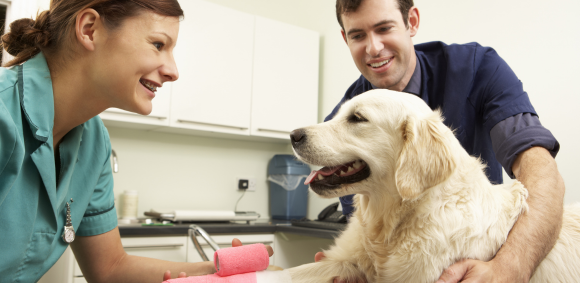
Veterinary nurses work alongside vets to care for animals in a variety of settings, including small animal veterinary practices, large veterinary hospitals and specialist referral clinics. Their responsibilities can include preparing animals for surgery, monitoring anaesthesia, administering treatments, supporting recovery and advising pet owners on care at home.
It’s a hands-on, fast-paced role that combines medical knowledge with compassion and teamwork.
Read more about the role and responsibilities of a veterinary nurse.
What qualifications do you need to become a veterinary nurse?
In order to become a veterinary nurse in the UK, you are required to complete a formal veterinary nursing qualification approved by the Royal College of Veterinary Surgeons (RCVS). In the UK, the two primary routes to becoming a Registered Veterinary Nurse (RVN) are:
- Level 3 Diploma in Veterinary Nursing – Offered through colleges, this vocational route combines classroom learning with practical experience, typically taking between two to three years. You may also be eligible to study this qualification as part of a veterinary nursing apprenticeship if you are employed in a suitable practice in England.
- BSc Honours Degree in Veterinary Nursing – Offered by universities, this academic route includes both theoretical study and practical placements, usually taking between three to five years.
Both routes are approved by the Royal College of Veterinary Surgeons (RCVS), which allows graduates to register as RVNs and practice as qualified veterinary nurses.
What should you do straight after leaving school?
If you’re ready to start working towards a career as a veterinary nurse, there are a few practical steps you can take.
1. Research training providers and choose a veterinary nursing course
Look into colleges or training providers that offer RCVS-approved veterinary nursing courses. Entry requirements can vary, but most will ask for GCSEs (or equivalent), particularly in English, Maths and Science. You can find a list of approved veterinary nurse course providers on the RCVS website. Read more about how to choose a veterinary nursing course here.
2. Gain experience working with animals
While not always essential, gaining work experience or employment animals can be very helpful. This could include volunteering at animal shelters, working in kennels or catteries, or arranging work experience in a veterinary practice. Discover how to find work experience or employment in a veterinary practice.
3. Explore veterinary nursing apprenticeship opportunities
If you prefer learning on the job, a veterinary nursing apprenticeship could be a great option. You’ll earn while you learn and gain valuable real-world experience from the start. Search for veterinary nursing apprenticeships here.
4. Prepare your application
Whether you’re applying for a veterinary nursing course or work experience, take time to write a strong application. Highlight your interest in animal care, any relevant qualifications and the skills you’ve developed at school. To help you get started, we’ve gathered some advice on how to write a great personal statement, as well as tips for strengthening your application to study veterinary nursing.
Do you need experience with animals to start veterinary nurse training?
You don’t necessarily need experience working with animals to get started, but having some exposure to a veterinary practice setting can be beneficial. Even small steps, such as shadowing a veterinary team, can give you a better understanding of the veterinary nurse role. It also shows commitment and enthusiasm when applying for courses or placements.
Read our advice and guidance for gaining work experience or employment in a veterinary practice.
What skills will help you succeed?
Being a veterinary nurse is about more than just loving animals. There are several key skills that will help you thrive in the role:
- Communication – speaking clearly with colleagues and pet owners
- Teamwork – working closely with vets and other nurses
- Organisation – managing tasks in a busy clinical environment
- Resilience – handling emotional situations with professionalism
- Attention to detail – ensuring animals receive safe and accurate care
Many of these skills can be developed during school, part-time jobs or volunteering.
Explore some of the soft skills that can help you succeed as a veterinary nurse.
Is veterinary nursing the right choice for you?
Veterinary nursing can be incredibly rewarding, but it’s important to understand both sides of the profession.
The role is physically active and can sometimes be emotionally challenging, particularly when dealing with unwell animals or difficult situations. However, it also offers the chance to make a real difference every day by helping animals recover and supporting their owners. If you enjoy practical work, care about animal welfare and want a career with purpose, veterinary nursing could be an excellent fit.
Discover whether a veterinary nursing career is right for you.
Taking your first step into veterinary nursing
As you leave school and look ahead to the future, having a clear interest in working with animals puts you in a strong position to start building your career.
By researching your options, gaining some experience and choosing the right training pathway, you can begin your journey into veterinary nursing with confidence.
If you’ve been thinking about becoming a veterinary nurse, now is the perfect time to take that first step and explore the opportunities available to you.
Ready to start your veterinary nurse training? Explore courses here…